
February Friendship Skills Newsletter for School Families
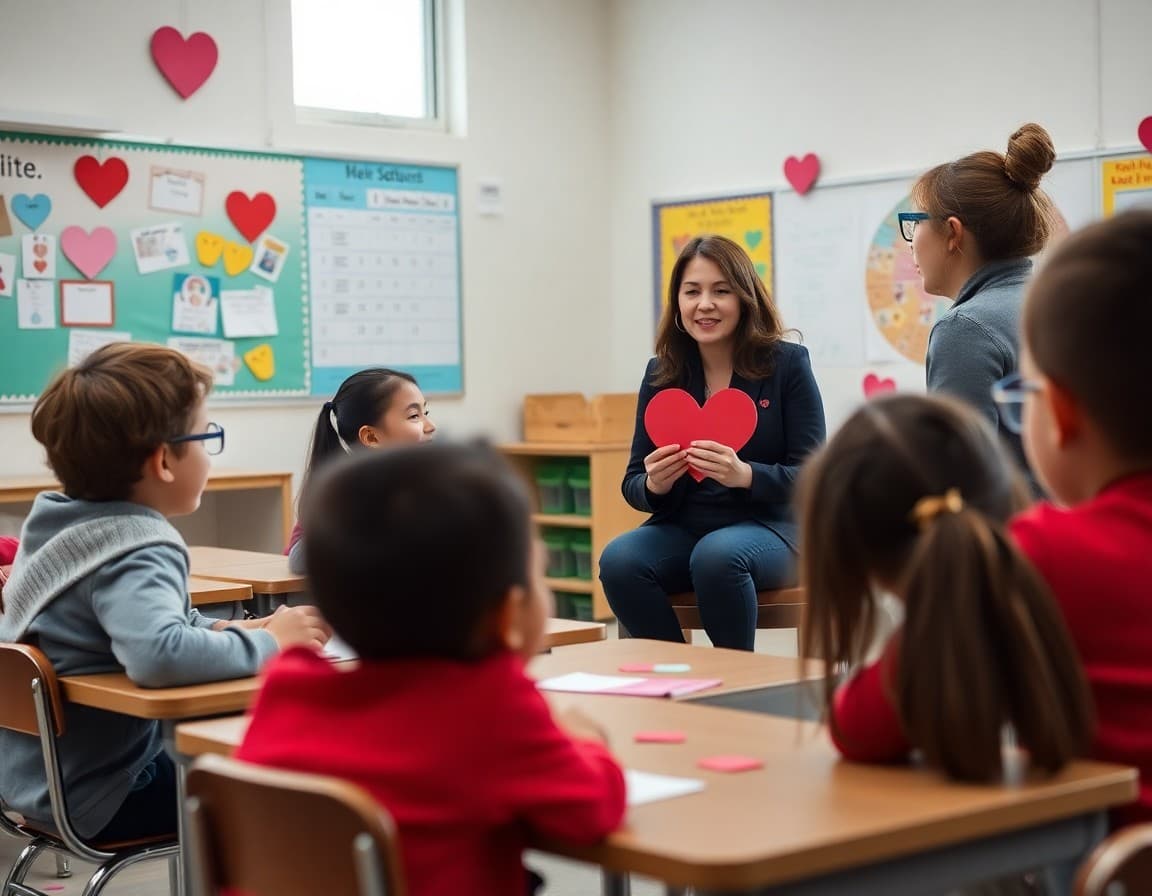
February arrives with Valentine's Day squarely in the middle, and for school counselors that means a predictable spike in social anxiety, hurt feelings, and friendship questions that families are often not prepared for. Your February newsletter can get ahead of all of it.
Valentine's Day and the Visibility of Loneliness
Valentine's Day makes social standing visible in a way that most other school days do not. The student who receives five personalized cards and three candy hearts knows they are liked. The student who receives the two obligatory class-policy valentines from students who barely know their name knows something very different. Your February newsletter can help families understand why Valentine's Day is harder for some children than it appears from the outside, and what they can do to prepare their child rather than simply hope for a good day.
Elementary: All-Class Policies and What They Do Not Solve
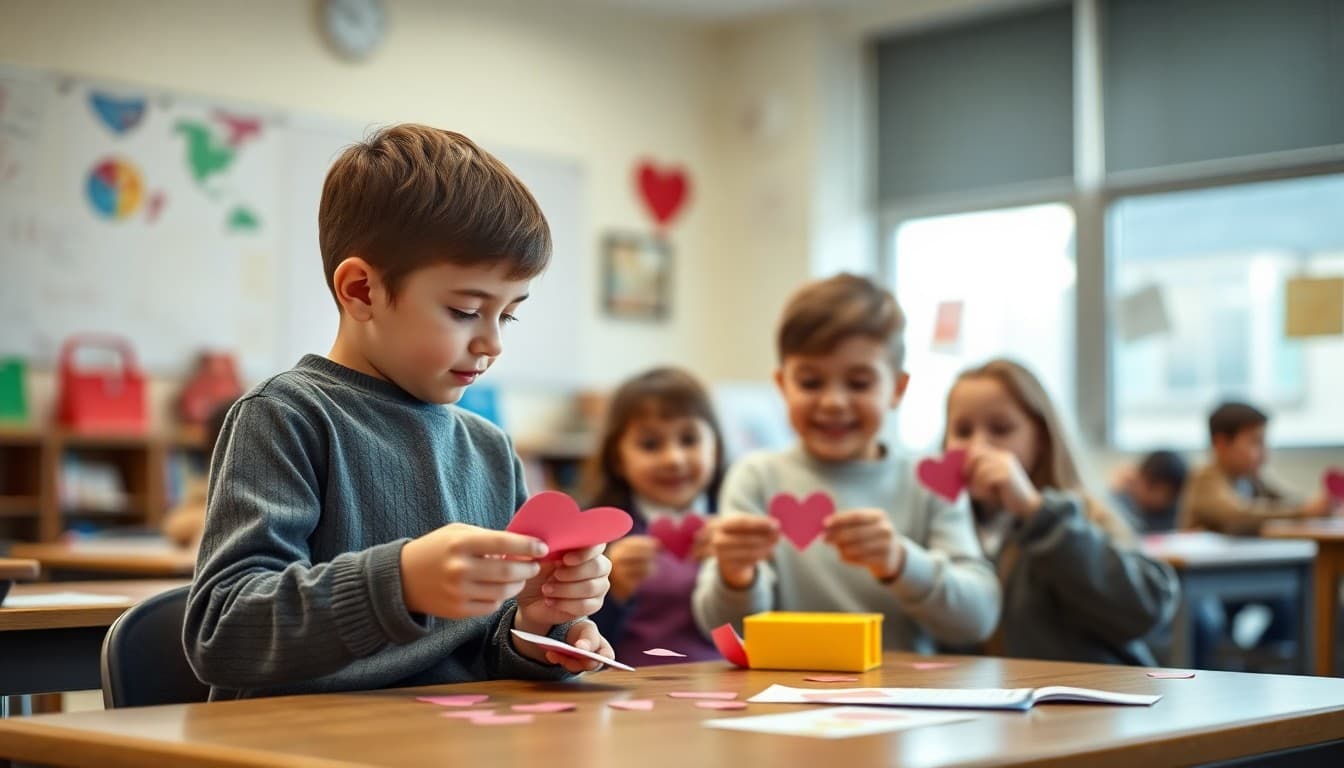
Many elementary schools require students to bring valentines for every classmate. This prevents the most obvious exclusion but does not eliminate social pain. Students notice whose cards were personalized, whose treats were store-bought versus homemade, and whether the popular student smiled when they handed over the valentine or just dropped it on the desk. Help families prepare younger children for the reality that even well-intentioned class policies leave room for social comparison, and that comparison says nothing about the child's actual worth.
Middle School: Navigating Romantic Social Pressure
By middle school, Valentine's Day has become explicitly about romantic relationships, which means students who are not in relationships can feel acutely aware of their social position. Help families approach this by expanding what the day means: Valentine's Day is about expressing appreciation for the people you care about, which includes best friends, coaches, teachers, and family members. A student who deliberately celebrates one non-romantic friendship on February 14 has reframed the day in a way that is both authentic and affirming.
High School: Romance, Rejection, and Resilience
High school counselors often see an increase in social anxiety, relationship conflicts, and emotional distress in the week around Valentine's Day. Students who have recently experienced breakups, who have unrequited feelings for a classmate, or who feel that their social invisibility is confirmed by the holiday often need extra check-in support. Your February newsletter can give families language to open these conversations at home: "Valentine's Day can feel hard. How are you feeling about it this year?" That simple question signals availability without pressure.
Friendship Appreciation as a Year-Round Practice
Use February's natural focus on affection to address something that benefits student social health all year: expressing appreciation for the friends you have. A student who thanks a friend for something specific strengthens that friendship, builds their own confidence, and practices a social skill that transfers to every relationship they will have for the rest of their life. February is a culturally supported moment to make this explicit. Your newsletter can encourage families to make it a habit that outlasts the holiday.
What to Do If Valentine's Day Goes Badly
Some students come home from school on February 14 genuinely hurt: they received no cards, they witnessed exclusion, or they found out about a social event they were not invited to. Help families respond without catastrophizing: validate the feeling, ask what happened with genuine curiosity, and then help the student identify one connection that did matter that day, however small. Most difficult days have at least one moment of genuine connection if the student is helped to notice it.
Your Counseling Program's February Focus
Tell families what your classroom guidance covers in February. If you are addressing kindness, empathy, or peer appreciation, connecting those themes to Valentine's Day gives the lesson a culturally relevant hook that makes it more memorable for students and more understandable for families. A paragraph describing your February guidance activities takes five minutes to write and significantly increases family engagement with your program.
Scheduling Your February Issue With Daystage
Schedule your February newsletter to arrive in the first week of the month, before Valentine's Day. Families who receive guidance before the holiday have time to prepare their children, have a conversation, and approach February 14 with intention rather than reacting to whatever happened after the fact. Daystage makes this timing easy to control without requiring you to remember to send anything during the busy second week of the month.
Get one newsletter idea every week.
Free. For teachers. No spam.
Frequently asked questions
How does Valentine's Day affect friendship dynamics in school?
Valentine's Day creates visible social divisions around who gives and receives valentines, who is in romantic relationships, and who feels excluded from the social attention the holiday generates. These dynamics affect elementary, middle, and high school students differently but can cause real distress at every level.
How should elementary schools handle Valentine's Day exchanges?
The all-class policy, where every student receives a valentine from every classmate, prevents some exclusion but does not eliminate it. Students still notice whose valentines were personalized versus generic, and popular students still receive special treats that others do not. Preparing students for these realities in advance reduces the distress when they encounter them.
How does Valentine's Day affect middle and high schoolers differently?
At older ages, the holiday is more about romantic relationships, which means students who are not in relationships can feel acutely visible in their aloneness. Counselors can address this by reframing Valentine's Day as a day to express appreciation for any meaningful relationship, not just romantic ones.
What can families do to help a child who feels left out on Valentine's Day?
Acknowledge the feeling without dismissing it. Celebrate friendship specifically by doing something together as a family, letting the child send a genuine appreciation note to a friend or teacher they care about, and helping them understand that romantic relationships are only one kind of meaningful connection worth celebrating.
What platform helps counselors send February friendship content at the right time?
Daystage lets counselors schedule February newsletters to arrive the week before Valentine's Day, when families still have time to act on the guidance before the holiday rather than after the social drama has already unfolded.

Adi Ackerman
Author
Adi Ackerman is a former classroom teacher and curriculum writer with 8 years in K-8 schools. She writes about school communication, parent engagement, and what actually works in real classrooms.
More for School Counselors
Ready to send your first newsletter?
3 newsletters free. No credit card. First one ready in under 5 minutes.
Get started free