
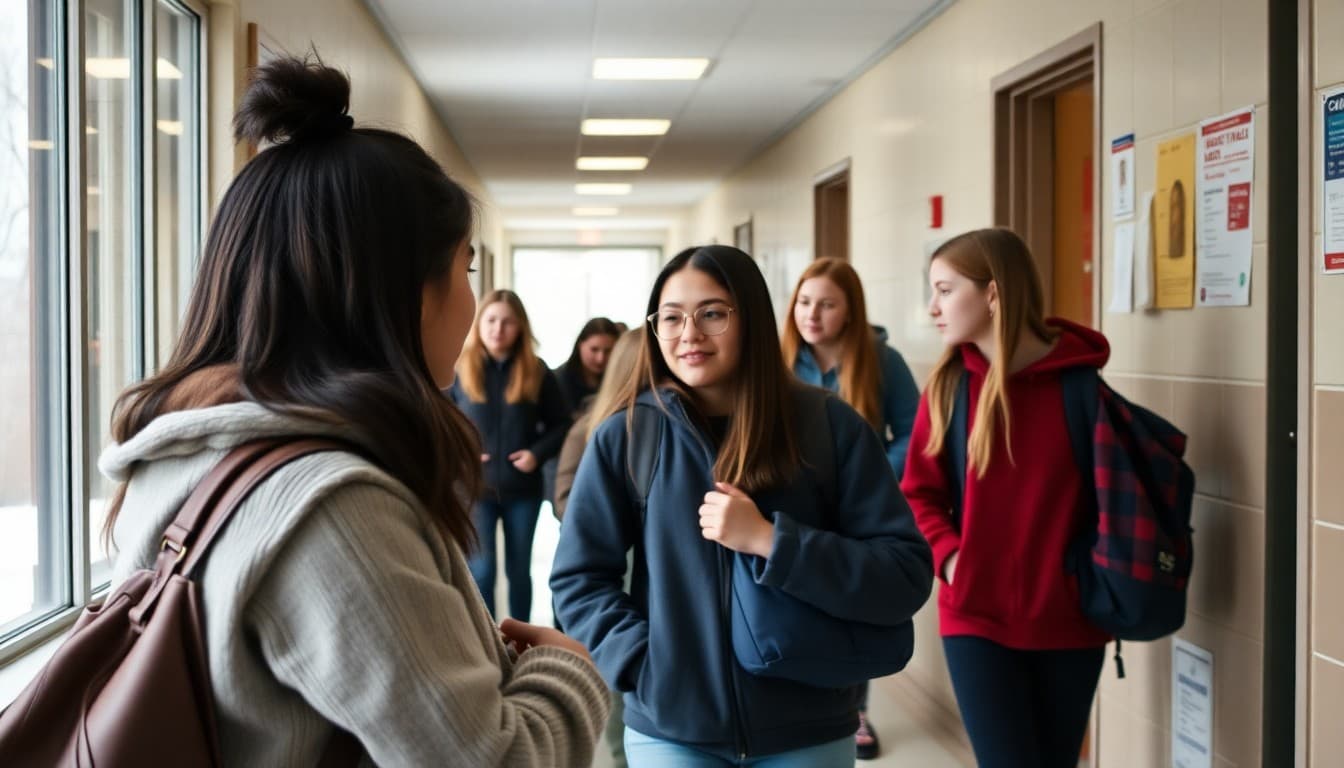
January Friendship Skills Newsletter for School Families

January is one of the most underutilized opportunities in the school year. New schedules, new seating, and new extracurricular options create genuine fresh starts for students who spent the first semester on the social edges. Your January newsletter can help families capitalize on this window while it is open.
The Fresh Start Reality
Not every student gets a meaningful fresh start in January. Those with deeply entrenched social difficulties may need more than a schedule change. But for many students, the second semester genuinely offers new proximity to new peers, which is the raw material of friendship. Research consistently shows that propinquity, being physically near the same person repeatedly, is one of the most reliable predictors of friendship formation. January schedules create new propinquity, and families who help their children approach it with openness give them a real advantage.
Reconnecting After Winter Break
Two to three weeks of break is long enough for some friendships to cool, especially those built primarily on shared class schedules. Help families encourage their children to actively reconnect in the first week back: sit with someone you know, reach out to a friend you have not heard from over break, and be the first person to say hello. The student who takes the first step in January is usually the one who maintains and deepens their friendships across the second semester.
Navigating Changed Friend Groups
Some students return in January to find that their friend group has reconfigured. Social media and group chats over break can facilitate significant social shifts that happen without any direct conversation. Help families normalize the possibility of this change without dismissing its impact. A student who handled a changed social situation in January with resilience and curiosity, rather than catastrophizing, is building a genuinely important life skill. But they need adult support and perspective to get there.
Second Semester Goals for Social Connection
January is a good time for families to have an explicit conversation with their child about what they want their social life at school to look like in the second semester. Not a grand aspiration but a specific, achievable goal: try one new lunch group, sign up for one extracurricular activity, or aim to learn something new about one classmate each week. These micro-goals are much more achievable than "make more friends" and much more motivating than the vague wish for a better social experience.
When Last Semester's Problems Come Back in January
Sometimes the fresh start of January is not so fresh. Students who were bullied in the fall return to find the same dynamics waiting for them. Students who were isolated in the first semester walk into a second semester where the groups have already formed without them. When this happens, families need to contact you early in January rather than waiting to see if things improve. The longer a negative social pattern continues, the more entrenched it becomes and the harder it is to shift.
What Classroom Guidance Covers in January
Tell families what you will be focusing on in classroom guidance in January. If you are addressing goal-setting, conflict resolution, or community-building, connecting those themes to the friendship skills families can reinforce at home creates a coherent school-home message. A student who hears the same social-skills concepts at school and at home integrates them far more effectively than one who receives them only in a forty-minute classroom visit.
The Role of Extracurricular Activities in January
Winter sports, drama productions, and clubs often start or restart in January. Encourage families to support their child's participation in at least one activity based on genuine interest rather than social strategy. Friendships that form around shared activities tend to be more durable and satisfying than those built purely on proximity. A student who joins a robotics club in January because they are interested in robotics is more likely to find compatible peers than one who joins because they think it will be a good place to make friends.
Starting the Second Semester With Daystage
Build your January newsletter in Daystage during the holiday break and schedule it to arrive on the first Monday back. Families who open a warm, useful counselor newsletter on the first day of the new semester are primed to engage with your program for the rest of the year. That first impression at the second semester start sets the tone for everything that follows.
Get one newsletter idea every week.
Free. For teachers. No spam.
Frequently asked questions
Why focus on friendship skills specifically in January?
January is a genuine reset opportunity. New semester schedules mix up class groupings, new extracurricular sign-ups bring different social contexts, and students have had two to three weeks away from school to reset from first-semester dynamics. This window will close by February, so acting on it in January matters.
What if a student returns from break to find their friend group has changed?
Validate the loss first. Then help them identify what the changed dynamic actually means for them: is it that one person drifted, or has the whole group shifted? The answer shapes the response. One drifting friend is different from complete social displacement, and families need to help their child understand which situation they are actually in.
How can new semester schedules help socially struggling students?
New schedules mean new proximity, and proximity is one of the most reliable predictors of friendship formation. A student who has struggled socially in the fall can end up seated next to someone genuinely compatible in January. Help families encourage openness to these new connections rather than only grieving what the first semester looked like.
What friendship goals are appropriate for the second semester?
Simple, specific goals work best: try one new lunch group this month, attend one new extracurricular activity, or introduce yourself to someone new in a class. Big social overhauls are overwhelming. Small deliberate moves are achievable and build momentum over time.
What tool helps counselors send a strong January newsletter to start the second semester?
Daystage lets counselors build January issues during the holiday break and schedule them to arrive on the first day back, giving families a warm, useful welcome to the new semester before they are fully back in the routine.

Adi Ackerman
Author
Adi Ackerman is a former classroom teacher and curriculum writer with 8 years in K-8 schools. She writes about school communication, parent engagement, and what actually works in real classrooms.
More for School Counselors
Ready to send your first newsletter?
3 newsletters free. No credit card. First one ready in under 5 minutes.
Get started free