

How to Use Surveys in Your School Newsletter to Hear From More Parents
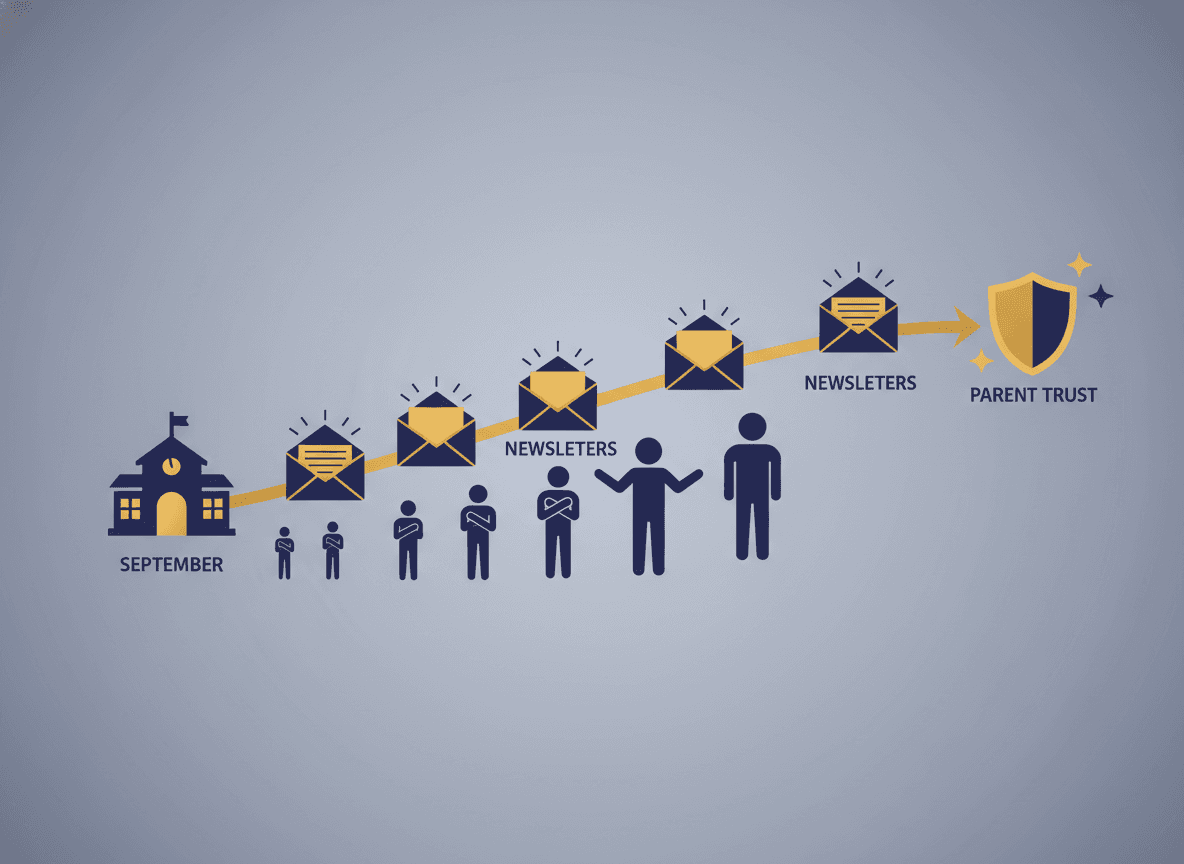
Most school newsletters are one-way. They broadcast information from teacher to family and leave no obvious path for the family to respond. This works well for logistics, but it misses a significant opportunity: the newsletter is the most consistent communication channel many teachers have with families, and with a small addition, it can become a two-way feedback loop.
Short, well-designed surveys embedded in newsletters give parents a low-friction way to tell you what they need, what they are confused about, and what they want more of. Teachers who use them consistently learn things they would never discover from the families who email proactively, because most families do not email proactively.
The case for short over thorough
The most common mistake teachers make with newsletter surveys is making them too long. A thorough survey that covers every topic you are curious about is almost guaranteed to get a low response rate. Parents opening a newsletter between pickups and dinner prep are not looking for a ten-minute task.
One to three questions is the practical ceiling for a newsletter survey that aims for more than 20% completion. A single binary question, "Did this newsletter feel too long, about right, or too short?" paired with one text field for open comment, will get more responses than a full feedback form. Keep it short enough that someone could answer it in 60 seconds on their phone.
Ask questions that parents can actually answer
Not all questions are equal. "How can we improve parent engagement at our school?" is a meaningful question for an administrator, but it is too abstract for a parent reading a classroom newsletter on a Tuesday evening. They cannot answer that question well, so they skip it.
Specific, concrete questions get better answers: "Did you know about the field trip next Thursday before reading today's newsletter?" or "Is there a topic you wish we covered more often in updates?" or "Which section of this newsletter was most useful to you this week?" These questions connect to something specific the parent actually experienced and can respond to directly.
Make the survey frictionless
Every additional step between "parent wants to respond" and "parent has responded" reduces completion. A link to an external form that requires a login is going to get almost no responses. An embedded single-question poll with two tappable buttons is going to get many.
The best newsletter surveys are either built directly into the email body as clickable responses, or they link to a single-page Google Form that does not require a sign-in. The link should be clearly labeled, not buried in paragraph text. "Click here to answer one quick question" performs better than "Let us know your thoughts via this link."
Vary what you ask over the year
Sending the same survey every month teaches families to skip it. Rotate your questions across the year to keep it fresh and to gather different types of information at different times.
September surveys might focus on how families want to receive information. Mid-year surveys might ask about which sections of the newsletter they actually read. End-of-year surveys might focus on what they wished they had known sooner. Tying survey content to the stage of the school year makes it feel relevant rather than routine.
Always close the loop
The single most important rule of newsletter surveys: tell families what you learned from their responses. If you surveyed families and then never mentioned the results, you signal that the survey was performative. Parents who saw no outcome from their input stop responding.
A one-sentence acknowledgment in the next newsletter is enough: "Last week's survey showed that most of you prefer Wednesday sends over Friday. Starting this week, you will see the newsletter arrive Wednesday evenings." That sentence is not just informative. It tells families that their input changed something real, which is the single most powerful motivator for future survey participation.
Get one newsletter idea every week.
Free. For teachers. No spam.
Frequently asked questions
How long should a newsletter survey be to get a good response rate from parents?
One to three questions is the sweet spot for in-newsletter surveys. Parents who are scrolling through a newsletter on a phone will not complete a ten-question form. A single well-chosen question often gets a higher response rate than a full survey because the friction is almost zero.
What types of questions get the most honest responses from parents?
Specific questions outperform vague ones. 'Did the format of last month's newsletter feel too long, about right, or too short?' gets more useful answers than 'What do you think of our newsletter?' Closed-answer options with one open text field work better than open-ended-only questions for busy parents.
How often should teachers include surveys in newsletters?
Once a month is frequent enough to gather useful data without survey fatigue. Quarterly deep surveys and monthly quick-pulse checks is a practical rhythm for most classroom teachers. Sending a survey every week trains readers to skip them.
What should teachers do with survey results?
Always close the loop in the next newsletter. A brief note like 'You told us you wanted more advance notice on field trips, so we have added a 30-day heads-up to our calendar section' shows families their input changed something real. Surveys that produce no visible action train families to stop responding.
Can Daystage help teachers embed surveys in newsletters?
Daystage is built to make school newsletters easy to send and act on. You can link to a simple survey form from any newsletter and track which families responded, helping you spot patterns in who is engaged and who might need a different outreach approach.

Adi Ackerman
Author
Adi Ackerman is a former classroom teacher and curriculum writer with 8 years in K-8 schools. She writes about school communication, parent engagement, and what actually works in real classrooms.
More for Parent Engagement
Ready to send your first newsletter?
3 newsletters free. No credit card. First one ready in under 5 minutes.
Get started free