

How to Re-Engage Families Who Stopped Opening Your School Newsletter
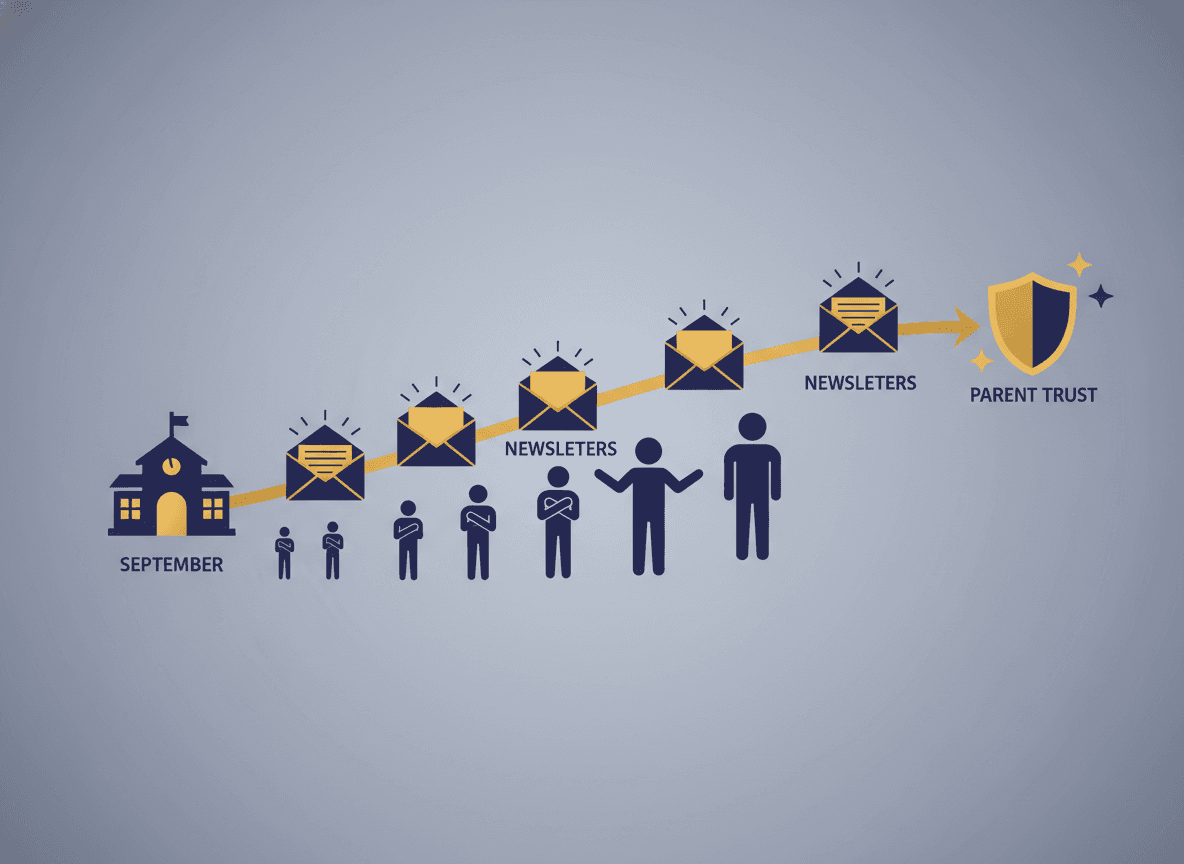
Every teacher has them: families who subscribed at the start of the year, opened the first few newsletters with apparent enthusiasm, and then gradually went quiet. Their emails bounce no error but the open rates tell the story. They are receiving your newsletter. They are just not reading it.
Before you write these families off as simply disengaged, consider that something changed on their end. A busier season at work. A technical issue. A subject line that stopped grabbing them. Or simply: your newsletter started blending into the noise of their inbox. All of these are fixable.
Diagnose before you adjust
Disengagement has more than one cause, and the right fix depends on which one you are dealing with. Some families stopped opening because their email address changed and they are getting your newsletter in a folder they never check. Some stopped because the newsletter got longer and less scannable over the year. Some stopped because life got harder and reading school updates feels like one more task.
A brief personal message asking if they are still receiving your updates, and whether the email address you have is still current, solves the technical problem. A format overhaul solves the attention problem. But a family going through a hard season needs something different: a shorter newsletter, more grace in the language, and a genuine invitation to reach out.
Change the subject line before anything else
The subject line is the single point of friction between your newsletter and an open. If a family stopped opening, your current subject line formula is not working for them. Try something different.
Generic subject lines like "Week 22 Update" or "News from Room 14" train readers to skip. Specificity breaks that habit. "What your student worked on in math this week" or "Photos from Thursday's science project" tells the parent there is something relevant inside. If your email tool allows personalization, using the student's name in the subject line is one of the most effective re-engagement tactics available to teachers.
Add one element they did not expect
Families often disengage because the newsletter became predictable. Not bad, just predictable. They know what they are going to find before they open it, so they stop opening.
Break the pattern. Add a short student quote about something that happened this week. Include a photo with a caption that sounds like you, not like a caption for a school brochure. Ask a question directly to the family. These unexpected elements are low-effort to add and high-impact for pulling disengaged readers back in.
Send a re-engagement email that stands alone
If a family has not opened four or five newsletters in a row, consider sending a brief standalone message that is clearly different from your regular newsletter. No classroom updates, no calendar reminders. Just a short personal note: "I wanted to make sure you are still getting my weekly updates and that the email address I have for you is current. If anything has changed, reply here and I will update my records."
This serves two purposes. It surfaces technical delivery problems you might not know about, and it signals to the family that you noticed their absence, which itself is a form of attention that many families find re-engaging.
Shorten and tighten the format
Newsletters often grow over the year as teachers add more sections, more context, more links. What started as a focused four-paragraph update becomes a scrolling document that takes eight minutes to read. Families who are pressed for time quietly stop.
A periodic format reset, trimming back to the essentials, often re-engages families who left because of length rather than content. If you have not done a length review since September, now is a good time.
Meet them where they are
Some families will not re-engage with email no matter what you try. They are simply not email people. Knowing which families those are, and having a backup channel for critical information, is worth building into your communication system early in the year rather than discovering it in March.
For those families, a brief text to confirm they received the newsletter, or a printed copy sent home with their student for truly important items, is not extra work. It is just meeting people where they are.
Get one newsletter idea every week.
Free. For teachers. No spam.
Frequently asked questions
How long should a teacher wait before trying to re-engage a parent who stopped opening newsletters?
After three to four consecutive unopened emails, it is worth a different approach. Wait longer and the habit of ignoring your newsletter becomes entrenched. Acting early, while the relationship is still fresh, makes re-engagement much easier than reaching out after months of silence.
What subject line strategies help win back families who stopped engaging?
Specificity works better than urgency. A subject line like 'Quick update on [child name]s reading group this week' outperforms 'Important school news' for disengaged families because it signals something personal rather than institutional. Using the student's name in the subject line, where your tool allows it, is a strong re-engagement tactic.
Should teachers follow up with disengaged families directly?
For families who have been consistently unresponsive over a full month, a brief personal note, not a form email, is worth sending. Keep it short: you noticed they might have missed recent updates and wanted to make sure they had the information. That personal touch often surfaces a changed email address or a technical delivery issue.
What content changes can help a newsletter feel fresh to families who tuned out?
Add something they did not expect. A short quote from their student, a photo from a project, or a brief peek behind the classroom curtain. Families disengage when newsletters feel predictable and low-relevance. One genuinely surprising or personal element can break the pattern.
How does Daystage help teachers track and address disengaged families?
Daystage helps you maintain a clean subscriber list and build a consistent send rhythm that gives you a reliable baseline to spot when engagement drops. A steady cadence means you notice the change quickly and can act before the family fully disconnects.

Adi Ackerman
Author
Adi Ackerman is a former classroom teacher and curriculum writer with 8 years in K-8 schools. She writes about school communication, parent engagement, and what actually works in real classrooms.
More for Parent Engagement
How to Write School Newsletters That Reach Non-English-Speaking Families
Parent Engagement · 6 min read
How to Address Student Behavior in School Newsletters Without Causing Alarm
Parent Engagement · 6 min read
How to Write School Newsletters That Serve Foster and Guardian Families
Parent Engagement · 6 min read
Ready to send your first newsletter?
3 newsletters free. No credit card. First one ready in under 5 minutes.
Get started free