

How to Write School Newsletters That Serve Foster and Guardian Families
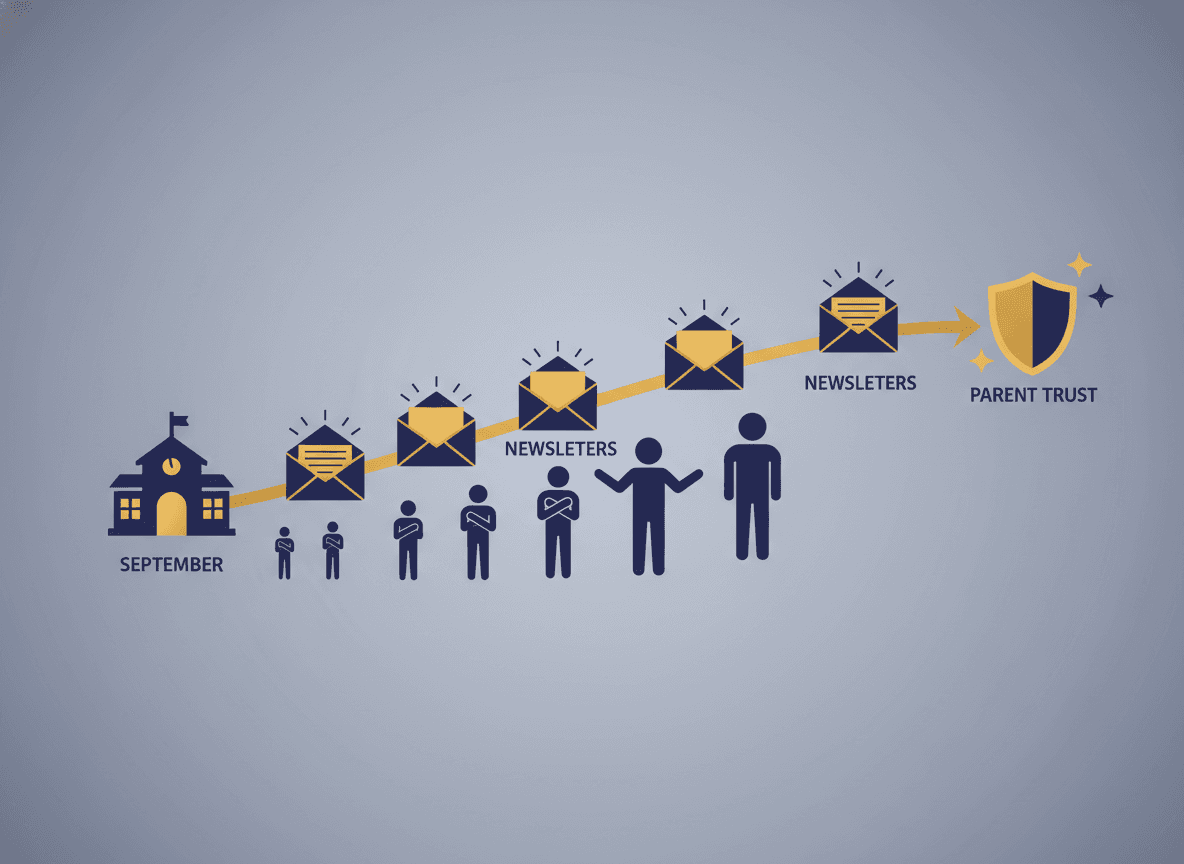
Foster parents, legal guardians, grandparents with custody, aunts, uncles, and other kinship caregivers are raising a significant number of students in every school district in the country. Most of them navigate school communication systems that were not built with them in mind. The forms ask for "mother and father." The newsletters are addressed to "parents." The assumption throughout is a stable two-parent household with continuous knowledge of the child's educational history.
For a foster parent who received a new placement two weeks ago, a newsletter packed with references to "what we covered last semester" and "as your child shared at our fall conference" creates a gap they cannot bridge. The newsletter is not wrong, exactly. But it was not written for them.
Start with inclusive language as a non-negotiable
The first and simplest step is updating every default communication template to address "families and caregivers" rather than "parents." This includes newsletter headers, salutations, email subject lines, and any section that references "your child's parents." These changes cost nothing and immediately signal to every non-parent caregiver that your communication is for them too.
Extend this into the body language of the newsletter. "The adults at home" rather than "you and your spouse." "Your student's household" rather than "your home." These are small shifts that add up to a newsletter that a guardian who is not the child's parent can read without constant mental translation.
Lead with clear information, not context that requires history
A foster parent who received a new placement mid-semester does not know what the class was doing last month, what was discussed at back-to-school night, or what the class culture has established as its norms. A newsletter that references these things in passing, assuming shared context, creates a reader who feels behind.
Newsletters structured with clear current information, what the class is doing this week, what is coming up, and what action items are pending, require no prior context to understand. This is good newsletter design generally, and it is especially important for caregivers who are new to the classroom community.
Make contact information explicit and prominent
Foster families and guardians are often managing new relationships with many systems simultaneously. They may not yet know who the relevant school contacts are, how to reach them, or what questions they are allowed to ask. A newsletter that clearly lists who the classroom teacher is, how to reach them, and what situations warrant direct contact removes a barrier that a less visible caregiver might not know how to navigate.
An open invitation at the end of each newsletter, "If you are new to our classroom and want to know more about how we work, please reach out at any time," is a sentence that costs nothing and matters significantly to a new caregiver still figuring out the landscape.
Keep home-based assignments visible for caregivers who may not know the context
When newsletters mention homework, projects, or home-based activities, brief context is helpful for caregivers who may not have been there when the assignment was given: "Students are working on a family history project. If any aspect of this assignment is difficult to complete in your household, please let me know and we can adjust the format." That sentence removes a barrier without requiring a caregiver to disclose anything about their family situation.
Maintain privacy boundaries consistently
Students in foster care and other non-standard living arrangements often have heightened privacy needs. Information about their living situation, family history, or placement status should never appear in any newsletter communication, even in anonymized form. The newsletter's job is to communicate about school, not about home circumstances.
Maintaining this boundary consistently protects every child in your class, not just those in sensitive placements. A classroom culture where the newsletter is strictly about school keeps every family's private circumstances exactly where they belong.
Get one newsletter idea every week.
Free. For teachers. No spam.
Frequently asked questions
Why do foster and guardian families often feel excluded from school communications?
Most school communication systems and templates were designed with two-parent biological families as the default. Language that addresses 'parents' rather than 'families and caregivers,' forms that ask for 'mother and father' information, and cultural references that assume a stable home environment all signal, inadvertently, that other family types are not fully considered.
What should teachers know about communicating with foster families specifically?
Foster families may have limited background on a child's educational history, especially for recent placements. They are often navigating multiple school communication systems simultaneously if they have more than one foster placement. Clear, structured newsletters that lead with actionable information rather than assumed context serve them much better than narrative-heavy updates.
How should newsletters handle situations where a student's placement may be temporary?
Do not reference a student's placement status or home situation in any newsletter content, even in anonymized form. This is private family information. Focus newsletters on the student's school experience, which is the same regardless of their home circumstances.
Do teachers need to know a student is in foster care to communicate well with their caregiver?
Not necessarily. Adopting inclusive language and structure that serves every type of caregiver benefits foster families without requiring teachers to know their legal status. A newsletter written for 'families and caregivers' with clear information and no assumptions about home stability is simply good practice for every classroom.
How does Daystage help teachers write newsletters that serve foster and guardian families?
Daystage helps teachers build consistent, structured newsletters with clear language and formatting. Teachers using Daystage can set inclusive language as a default in their templates, ensuring every newsletter reflects their classroom's full diversity of family types from the first send.

Adi Ackerman
Author
Adi Ackerman is a former classroom teacher and curriculum writer with 8 years in K-8 schools. She writes about school communication, parent engagement, and what actually works in real classrooms.
More for Parent Engagement
Ready to send your first newsletter?
3 newsletters free. No credit card. First one ready in under 5 minutes.
Get started free