

How to Address Student Behavior in School Newsletters Without Causing Alarm
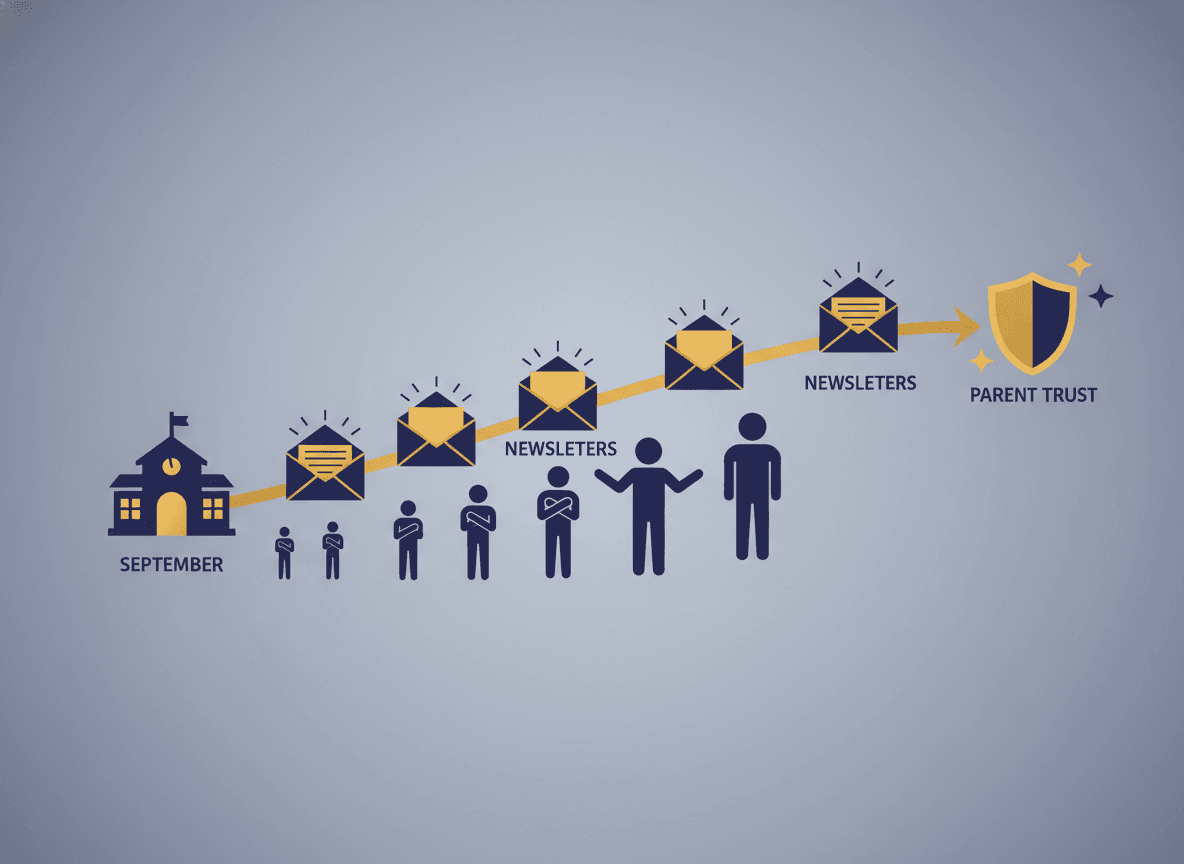
Most school newsletters are relentlessly positive. They report what the class achieved, celebrate what students built, and highlight the good moments. They almost never mention the harder parts: the difficult week, the classroom conflict, the behavior pattern the teacher is actively managing. This silence is understandable. But it is also a missed opportunity for the kind of honest communication that builds real trust.
Families whose children come home reporting that something difficult happened at school, and then receive a newsletter describing a smooth, accomplished week, learn to read the newsletter as a highlight reel rather than a real window into the classroom. Honest communication about difficulty, handled carefully, changes that.
Address behavior at the class level, never the individual level
The cardinal rule of behavioral communication in newsletters: never identify a student, directly or indirectly, in connection with a behavioral incident. This is both a privacy requirement and a basic protection for the child and family involved.
What you can address freely is the class-level experience. "We had a challenging week around how we treat each other" is honest and useful without identifying anyone. "We have been working through conflict resolution skills and I was impressed by how students engaged with the conversation" tells parents something real happened and how it was handled, without a single student's privacy being compromised.
Frame behavior challenges as learning opportunities
The language you use to describe behavioral challenges signals your approach to classroom management and tells families what values guide your work. A newsletter that describes a behavioral incident as a problem to be punished communicates a different classroom culture than one that describes it as an opportunity to build skills the class needs.
Neither is necessarily wrong. But families respond more positively to language that signals growth and intentionality: "We used a difficult moment this week to practice our conflict resolution skills" positions the teacher as thoughtful and proactive. "We had some problems with behavior this week" positions the teacher as reactive and the class as deficient. The underlying event may be exactly the same.
Keep serious individual concerns in direct communication
Any situation that is serious enough to affect a specific student's standing, safety, or relationship with the school belongs in direct, private communication with that student's family, not in the newsletter. The newsletter is for the class community. Serious individual concerns are for individual conversations.
If a behavioral situation affected multiple families in a direct way, such as a bullying incident with identified participants, each affected family should receive direct communication separately. The newsletter can acknowledge that something happened at the class level, but it should never be the vehicle for communicating individual disciplinary or safety information.
Include social-emotional learning as a regular newsletter topic
Teachers who communicate about social-emotional learning regularly, as a standing part of the newsletter rather than only when problems arise, are in a much stronger position when they need to address a behavioral challenge. Families who already understand that you actively teach conflict resolution, empathy, and community norms are primed to receive behavioral communication as part of an intentional system rather than as a sign that things are going badly.
A brief monthly section on what the class is working on in terms of community, relationships, and social skills normalizes this conversation before it becomes urgent.
Follow up directly with families who might need more context
Sometimes a class-level newsletter mention is not enough. If a behavioral incident affected specific students whose families are likely to hear about it through the grapevine, a direct phone call or personal email before the newsletter even goes out is the right move. The newsletter becomes a confirmation rather than a surprise, and the family feels appropriately prioritized rather than learning about something involving their child through a general broadcast.
Get one newsletter idea every week.
Free. For teachers. No spam.
Frequently asked questions
Should teachers mention behavioral challenges in the classroom newsletter?
Yes, at the class level and without identifying individuals. Parents whose children are affected by classroom dynamics deserve to know what is happening. A teacher who communicates about a difficult week honestly, describing the challenge and how the class is addressing it together, builds more trust than one who pretends the week was smooth.
How should a teacher describe a behavioral incident in a newsletter without naming the student?
Focus on the class's collective experience rather than the individual's action. 'This week the class had a hard moment involving how we treat each other, and we used it as an opportunity to revisit our community agreements' describes the reality without identifying anyone. The action and the growth are both visible without the student being exposed.
What should teachers never include in a newsletter about student behavior?
Names, descriptions detailed enough to identify a student, disciplinary consequences, family circumstances that may have contributed to the behavior, or anything that could allow one student's family to recognize another student. Individual behavioral incidents belong in direct communication between teacher and the specific family, not in a broadcast newsletter.
How should a teacher communicate if the behavior issue is ongoing and affecting the class?
In the newsletter, describe the pattern and the school's response at the class level: 'We have been working through some challenges in how we communicate with each other and we are spending time this week on building those skills.' This keeps every family informed without exposing any individual and signals that the teacher is taking active steps.
How does Daystage support communication about classroom culture and social-emotional learning?
Daystage helps teachers build a consistent newsletter structure that naturally includes sections on classroom community alongside academic content. Teachers who regularly communicate about social-emotional learning in their newsletters find it much easier to address behavioral challenges when they arise, because the framework is already established.

Adi Ackerman
Author
Adi Ackerman is a former classroom teacher and curriculum writer with 8 years in K-8 schools. She writes about school communication, parent engagement, and what actually works in real classrooms.
More for Parent Engagement
Ready to send your first newsletter?
3 newsletters free. No credit card. First one ready in under 5 minutes.
Get started free