

School Newsletter Communication for Military Families: Serving Families Who Move Often
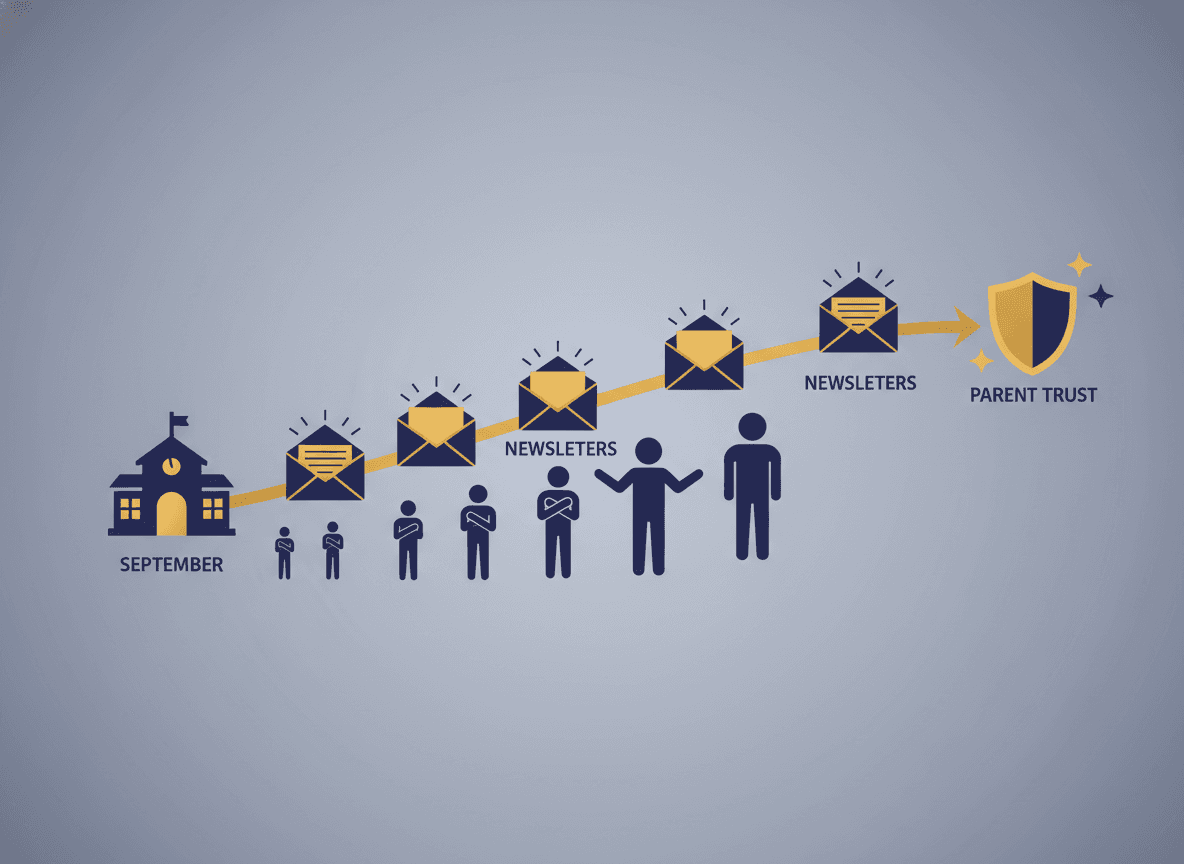
Military families represent a specific school population with communication needs that most newsletter strategies do not account for. They move often, sometimes with little notice. They may have a parent deployed and not present for the school year. They arrive at new schools carrying the fatigue of transitions that other families never experience. A newsletter strategy that acknowledges these realities serves them better than one designed only for families who stay.
Welcome Military Transfers With Specific Care
A military child who transfers in November has left a school where they had friends, routines, and context. They arrive knowing nobody, understanding nothing about how this school works, and managing an emotional transition that goes beyond normal new-student nerves.
The welcome newsletter for a military transfer family should acknowledge the experience directly. "We know that moving to a new school is one of the hardest things a child can go through. We have worked with families who move frequently before, and we have seen how resilient those children are. We want to be a place that makes that resilience easier to access."
Keep the Deployed Parent in the Loop
A parent on deployment cannot attend school events, respond to the same-day permission slip, or have the homework conversation at dinner. But they can read the newsletter. For many deployed parents, the weekly newsletter is the primary window into their child's school day.
With family consent, add the deployed parent's email to the newsletter list. Write the newsletter with the awareness that some readers are far away and cannot do anything with the information except feel connected. That is valuable.
A brief acknowledgment once a year of military families in the community, without naming anyone, signals that the school sees and values that sacrifice.
Address Curriculum Transition Gaps
Military children who transfer between schools in different states often arrive mid-unit, mid-year, or having covered different content in their previous school. A newsletter that explains the current curriculum context in accessible terms helps families understand where their child is landing.
"If your child is new to our class this month, here is what we have been working on since September: [brief summary]. Your child may have covered some of this before, or may be seeing it for the first time. Either way, we will work with them where they are."
Acknowledge School Transitions as a Skill, Not a Liability
Children who move often develop skills that most students never build: flexibility, rapid social adaptation, and the ability to read a new environment quickly. A newsletter that names those strengths rather than treating frequent transitions only as a challenge gives military families a different narrative about their child's experience.
"Students who have attended multiple schools often bring a perspective that enriches our classroom community. They have seen how different schools approach the same problems, and that experience is an asset."
Get one newsletter idea every week.
Free. For teachers. No spam.
Frequently asked questions
What are the unique communication needs of military families?
Military families face frequent PCS (permanent change of station) moves that require rapid school transitions. They may have a deployed parent who needs to stay connected to their child's school life from a distance. They navigate curriculum differences between schools in different states or countries. And they often arrive at a new school mid-year with limited context. Each of these creates a specific communication need that newsletters can help address.
How can a school newsletter support a deployed parent?
Send the newsletter to the deployed parent directly if the family consents and the parent has email access. Including a deployed parent in school communication keeps them connected to their child's school life in a meaningful way. A note in the newsletter like 'We are thinking of the families in our community who have a parent deployed' signals awareness without singling out specific students.
How do you help a military child who transfers mid-year feel included in the newsletter?
Feature a student spotlight section in the newsletter and include newly arrived students in the next available issue after their arrival, with their permission. A brief 'Welcome to Room 12' mention with a fact the student shared about themselves tells both the new student and their family that they are seen as a full member of the community from the first week.
What should a school's welcome newsletter include specifically for military families?
Acknowledgment of the transition experience directly. 'We know that starting a new school in the middle of the year is hard, and we know military families do this more often than most. We want to make this transition as smooth as possible.' Plus the same logistics content that all new families need, covered in the welcome series. Military families are experienced at transitions but they still need the specific local information.
How does Daystage support newsletter communication for military families?
Daystage's newsletter archive means that a military family who transfers in mid-year can access past newsletters to build context they missed. The welcome series feature ensures every new family, including military families who arrive mid-year, receives the same onboarding communication automatically.

Adi Ackerman
Author
Adi Ackerman is a former classroom teacher and curriculum writer with 8 years in K-8 schools. She writes about school communication, parent engagement, and what actually works in real classrooms.
More for Parent Engagement
Ready to send your first newsletter?
3 newsletters free. No credit card. First one ready in under 5 minutes.
Get started free