

The Best Newsletter Topics for After-School Program Families
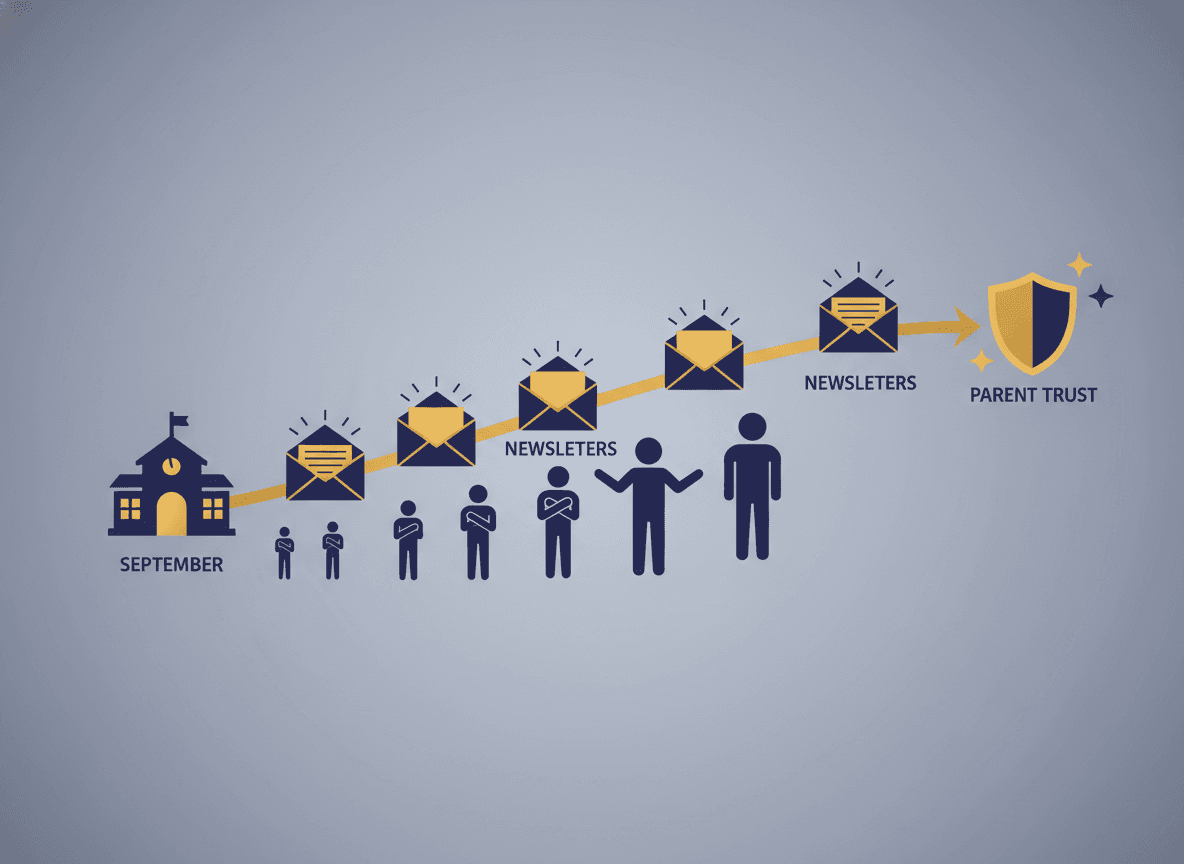
After-school program newsletters that only report logistics miss most of what families actually want to know about their child's time in the program. The schedule is necessary. It is not, by itself, a reason to open the email. The content that generates opens, shares, and increased family investment is the content that answers the question every parent has but rarely articulates: what is my child actually getting out of this program?
Activity recaps with photos
A brief description of what the program did this week, paired with one or two photos of students in the middle of the activity, is consistently the highest-engagement content category in after-school newsletters. Parents who cannot be in the room get a window. Parents who pick up a tired or uncommunicative child get context for what their child experienced.
Photo captions should describe what is actually happening, not what you wish it looked like. "Students debug a circuit they built from scratch" is better than "Hands-on STEM fun!" The specificity is what makes it credible and interesting.
Student observation and voice
A one-sentence observation from a student about what they found interesting or challenging this week connects families to the child's experience in a way staff narrative cannot replicate. "Sofia said she did not expect the experiment to fail and that made it more interesting" is a sentence parents will remember. "Students explored failure as part of the scientific process" is not.
Collecting three to four student observations per week during a five-minute end-of-session reflection builds a content library that makes newsletter writing significantly easier while producing more engaging material.
Staff introductions and spotlights
Families who know the staff members working with their children are more comfortable with the program and more likely to re-enroll. A brief staff spotlight, not a formal bio but a conversational paragraph about who the person is and what they bring to the program, builds the trust that logistics and activity recaps cannot.
Rotating staff spotlights across the first six to eight weeks of the program year ensures every staff member gets visibility, and families who pick up their child at the end of the day can put a name to a face earlier in the year.
Skill and progress highlights
Progress content, describing what students could not do in September that they are doing now in January, gives families concrete evidence of program value. This does not need to be formal assessment language. "Students who struggled with the opening weeks of improv are now getting comfortable with the basic 'yes, and' format" is observational progress reporting that any family can understand and appreciate.
Practical next-steps and resources for home
Suggesting one specific way a family can extend the program experience at home, without making it an assignment, is a service rather than a burden. "Students have been learning basic chess openings. If you want to play at home this week, here is a simple site they enjoy" is an optional enrichment suggestion that some families will use and none will resent. It positions the program as a partner in the family's life rather than a separate hour of the day.
Get one newsletter idea every week.
Free. For teachers. No spam.
Frequently asked questions
What is the single most effective content type in an after-school program newsletter?
Photos of students engaged in the specific activity they are working on. Parents have limited visibility into what happens in the after-school hours. A photo that shows their child focused, creating, or collaborating communicates program value in a way that words alone rarely achieve.
How can after-school newsletters highlight program quality without sounding promotional?
Show specifics rather than making claims. 'Students used circuits to light LEDs for the first time this week' is more compelling than 'our STEM program delivers quality hands-on learning.' The specific example demonstrates quality. The generic claim just asserts it.
Should after-school newsletter topics vary by season or program stage?
Yes. Early-year newsletters work well for introductions and orientation content. Mid-year newsletters are the right time for progress and growth content. End-of-year newsletters should showcase accomplishments and open the conversation about next year. Varying topics by program stage keeps the newsletter feeling purposeful rather than repetitive.
How should after-school newsletters handle topics that connect to the school day curriculum?
Briefly and with a light touch. Noting that an art project connects to the historical period students are studying in class, or that a math game reinforces skills from the classroom, is relevant without being heavy-handed. After-school programs that demonstrate curriculum connection are perceived as higher quality by families.
How does Daystage make it easier for after-school coordinators to produce engaging newsletters consistently?
Daystage's structured newsletter templates help coordinators organize content across the topics that matter most to families. Rather than starting from a blank page each week, coordinators using Daystage can work through a consistent format that naturally accommodates all the content categories that keep families engaged.

Adi Ackerman
Author
Adi Ackerman is a former classroom teacher and curriculum writer with 8 years in K-8 schools. She writes about school communication, parent engagement, and what actually works in real classrooms.
More for Parent Engagement
How to Share Student Success Stories in Newsletters While Protecting Privacy
Parent Engagement · 5 min read
How to Increase Parent Newsletter Open Rates: 8 Strategies That Work
Parent Engagement · 7 min read
Parent Engagement After a School Crisis: How Newsletters Rebuild Community Trust
Parent Engagement · 6 min read
Ready to send your first newsletter?
3 newsletters free. No credit card. First one ready in under 5 minutes.
Get started free