

How to Write Your First School Newsletter of the New Year
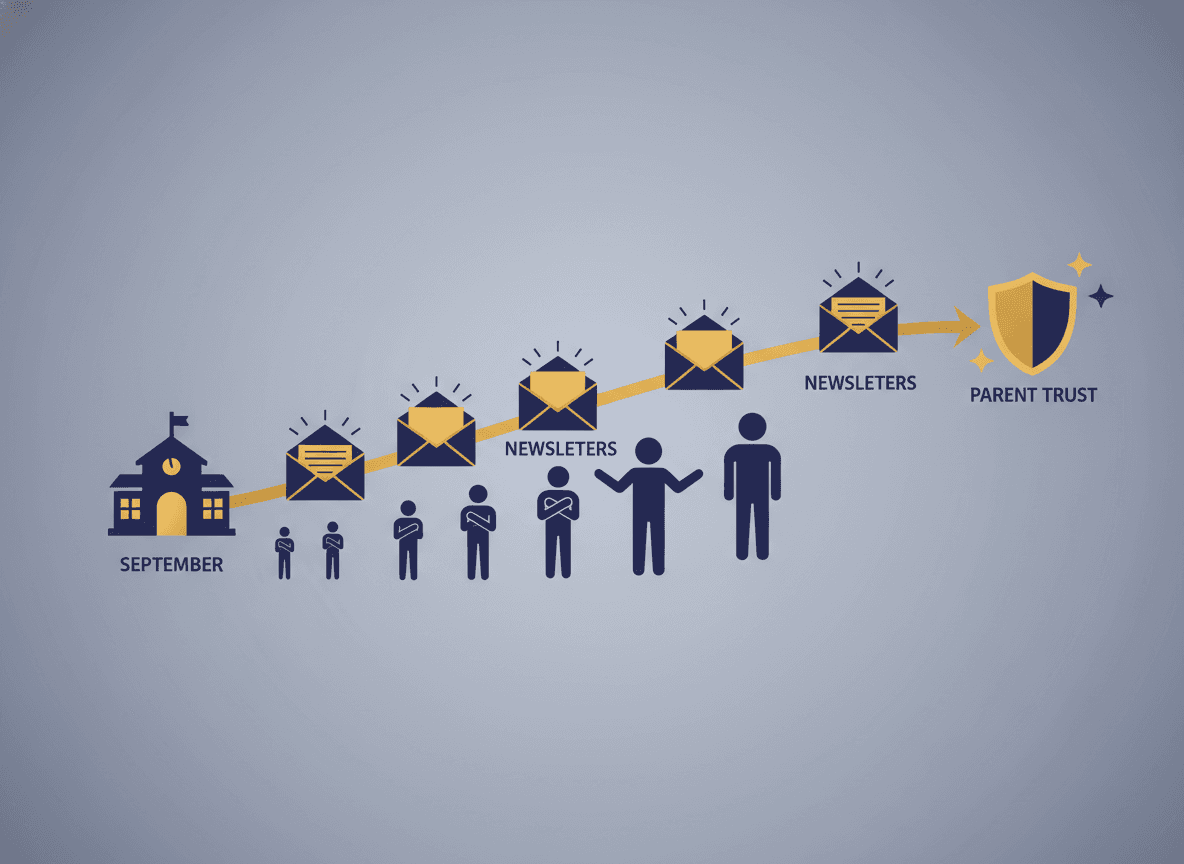
The first newsletter of the school year is not just an email. It is an introduction, a contract, and a first impression all at once. Families who receive a well-written, warm, and useful first newsletter start the year with a particular kind of trust in their child's teacher. That trust pays dividends in September, in March, and at every point in between.
Most first newsletters underuse this moment. They cover logistics and sign off. Here is how to cover the logistics and do more.
Lead with who you are, not what you need
Most first newsletters open with a list of supplies, a link to the school handbook, and a deadline for returning three forms. All of that information is necessary, but none of it builds a relationship. The first thing families read should tell them something true about the person who will spend the year with their child.
One paragraph is enough: what brought you to teaching, what you are genuinely looking forward to about this group of students, or what you have been thinking about over the summer. This does not need to be elaborate or polished. A few honest sentences about who you are and why you care about this work lands differently than a credentials list.
Set your communication expectations explicitly
Families who do not know what to expect from a teacher's communication develop their own assumptions, and those assumptions are often either too demanding or too low. Telling families upfront, in the first newsletter, exactly what they can expect solves this.
Be specific: you send a newsletter every Sunday evening, you respond to emails within two school days, urgent concerns should be called in rather than emailed, and major updates about their child will come directly rather than through the newsletter. Families who understand this framework from day one have fewer unmet expectations throughout the year.
Cover the logistics that matter in the first week
The first newsletter is not the place for every piece of information families will need this year. Focus on what they need for the first week: drop-off and pickup procedures, what students should bring on day one, how to reach you if something urgent comes up, and the date of any first-week events like back-to-school night.
Save deeper curriculum explanations, field trip procedures, and assessment policies for later newsletters when families have more bandwidth. The first week is about orientation, not comprehensive onboarding.
Tell families what is coming that they will want to look forward to
One or two sentences about something genuinely exciting coming up this year gives families a reason to stay engaged with your newsletters. Not a full curriculum overview, but a teaser: a field trip you are looking forward to, a project that tends to be a class favorite, or a guest speaker you have scheduled for later in the year.
Families who have something to anticipate tune into the newsletter more consistently. They are waiting for information about the thing you mentioned. That forward momentum, created in week one, makes every subsequent newsletter easier to engage with.
Invite families in before asking them to act
The first newsletter should include at most one action item other than routine paperwork. An early newsletter packed with five things families need to do creates an immediately overwhelming feeling. After one focused action item, end with an open invitation rather than another task: "If you want to share anything about your child that would help me know them better from day one, I would genuinely love to hear it. Reply here anytime."
This invitation sets the tone for the year. You are not just broadcasting information. You are opening a channel. Families who respond to that invitation in the first week are often among the most engaged throughout the year.
Get one newsletter idea every week.
Free. For teachers. No spam.
Frequently asked questions
How early before the school year should teachers send their first newsletter?
One to two weeks before the first day is ideal. This gives families time to process the information, ask questions, and prepare for the first day without feeling blindsided. Waiting until the first week means families are already forming impressions from incomplete information.
What should the first newsletter of the year include that regular newsletters do not?
Your communication expectations for the year: when families will hear from you, what channel you use, how quickly you respond to email, and what kinds of things they can expect to see in each newsletter. Setting this upfront prevents anxiety and reduces the number of questions you receive in September.
How long should the first school year newsletter be?
Shorter than you will be tempted to make it. Families are overwhelmed in the first weeks of school with paperwork, forms, and logistics from every direction. A focused newsletter with three to four sections, each short and actionable, is more likely to be read fully than a comprehensive information document.
Should the first newsletter of the year mention curriculum or just logistics?
Both, briefly. A sentence or two about what the class will be doing this year, and what you are personally excited about, makes the newsletter feel human rather than bureaucratic. Lead with logistics because families need them urgently, but do not leave out the substance that tells families who you are as a teacher.
How can Daystage help teachers launch the school year with strong communication?
Daystage lets teachers set up their subscriber list, newsletter template, and send schedule before the first day of school. Starting the year with a tool in place means the first newsletter looks professional and the rhythm is established from week one rather than improvised.

Adi Ackerman
Author
Adi Ackerman is a former classroom teacher and curriculum writer with 8 years in K-8 schools. She writes about school communication, parent engagement, and what actually works in real classrooms.
More for Parent Engagement
Parent Communication Plan Template for Teachers: Building a System That Works All Year
Parent Engagement · 8 min read
School Newsletter Call-to-Action Examples That Get Parents to Respond
Parent Engagement · 6 min read
Voice and Tone Consistency in School Newsletters: Why It Matters and How to Maintain It
Parent Engagement · 5 min read
Ready to send your first newsletter?
3 newsletters free. No credit card. First one ready in under 5 minutes.
Get started free