

Newsletter Fatigue Is Real. Here Is How Teachers Can Avoid It
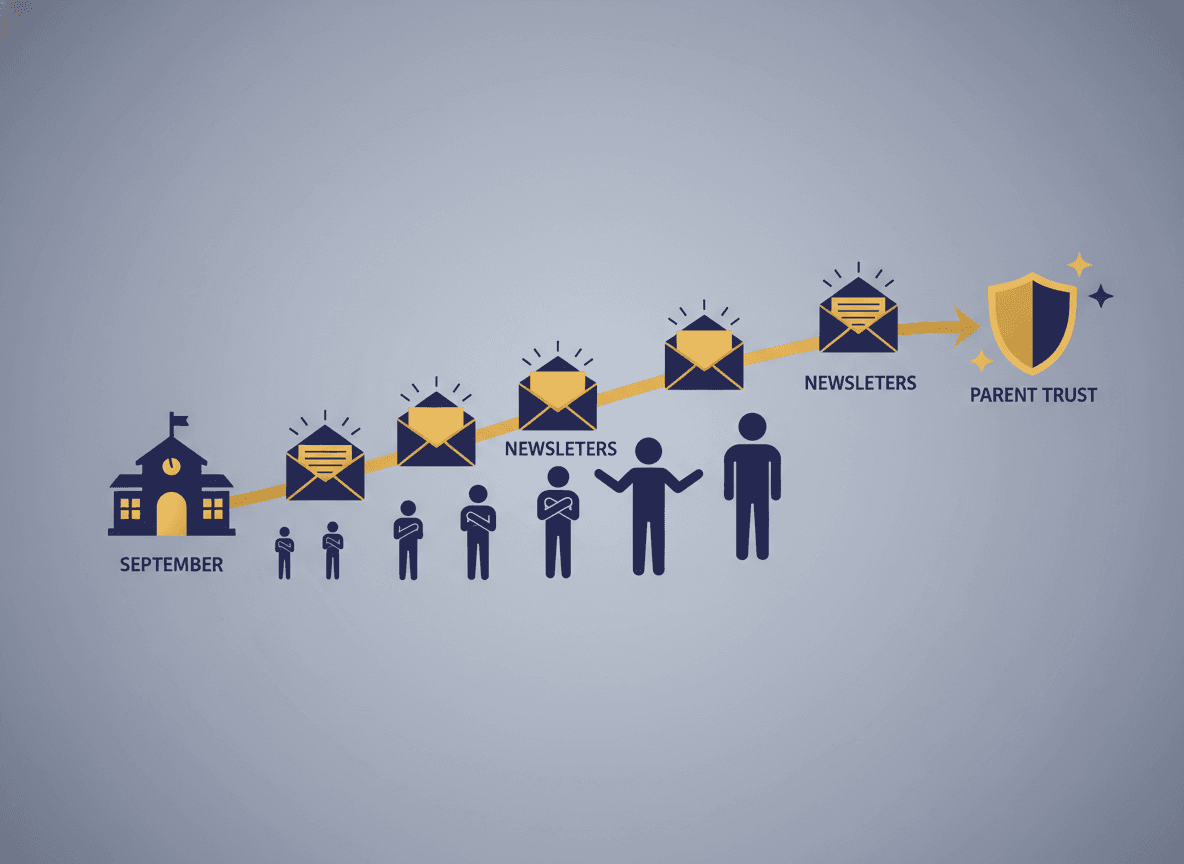
Parents in most school communities receive email from the classroom teacher, the school administration, the district office, the PTA, the after-school program, the school nurse, and sometimes the room parent as well. By mid-October, a parent might be getting seven to ten school-related emails per week from seven to ten different senders. Every one of those senders believes their communication is important. From the parent's perspective, the total effect is a signal-to-noise problem.
Newsletter fatigue is not a character flaw in parents. It is a rational response to communication overload. The solution is not to stop communicating. It is to communicate in a way that feels worth the attention it requires.
Volume is not the same as value
The most common mistake teachers make once they establish a newsletter habit is gradually adding more. More sections. More updates. More links. More action items. The newsletter that started as a focused four-paragraph update in September has grown to a seven-section email by March. Each addition felt necessary at the time. The cumulative result is a newsletter that takes ten minutes to read and produces a mild dread in the parent who opens it.
More content does not mean more value. A shorter newsletter that contains one important update and one clear action item performs better, in terms of opens, clicks, and actual family response, than a comprehensive weekly briefing that covers every possible topic.
Protect the newsletter as a signal
The newsletter should mean something to the families who receive it. Specifically, opening your newsletter should reliably produce something worth knowing: what happened in class this week, what is coming up, and whether there is anything the family needs to do. If the newsletter reliably delivers that in under five minutes, families protect it from their spam filters and their delete habits.
The moment the newsletter starts arriving and families can tell before opening it that there is nothing urgent inside, the open rate starts to drop. Protect the signal by only sending when you have something worth saying. Do not fill the newsletter because it is newsletter day.
Keep urgency out of the weekly newsletter
Including urgent same-day or next-day action items in a weekly newsletter that families expect to skim creates a problem: the urgent item gets the same low-engagement treatment as everything else. If families know your newsletter occasionally buries critical deadlines in the third section, they start reading more carefully, which is exhausting and eventually leads to skimming more and missing things.
Separate your urgency channel from your information channel. The weekly newsletter carries context and updates. Urgent reminders go through a separate channel, whether that is text, a standalone email flagged differently, or a direct call. Families who know your newsletter never requires same-day action can read it at their leisure rather than scanning it anxiously.
Coordinate with other school senders
Even the most focused, high-quality classroom newsletter contributes to parent overwhelm if it arrives the same day as a school-wide newsletter, a PTA email, and a district update. This coordination is often missing at the school level, and teachers can advocate for it.
A shared school communication calendar, where classroom teachers, administration, and parent organizations coordinate sending days, dramatically reduces the overall volume any family receives on a single day. It also makes each individual communication easier to see and engage with when it arrives on its own rather than buried in a cluster.
Do a regular content audit
Once or twice a year, read your last four newsletters as if you were a parent. Ask honestly: how much of this actually required my attention? How much was filler? How much took longer to read than it needed to? The answers often point to specific sections that have grown beyond their usefulness and can be cut without losing anything families genuinely need.
Get one newsletter idea every week.
Free. For teachers. No spam.
Frequently asked questions
What is newsletter fatigue and how do teachers know if their families have it?
Newsletter fatigue is the gradual decline in engagement that happens when a parent receives more school communication than they can process. Signs include dropping open rates over the course of the year, families responding less to action items, and parents telling you directly they feel overwhelmed. Open rate data tells you more than casual observation.
Does sending more newsletters lead to better parent engagement?
No. Research consistently shows that after a certain threshold, more frequency reduces engagement rather than increasing it. For most school communities, one substantive weekly newsletter outperforms two thin ones. Parents who feel they can keep up stay engaged. Parents who feel overwhelmed disengage entirely.
How can teachers reduce newsletter content without losing important information?
Separate action items from informational content. Send a weekly newsletter with narrative and context, and only send additional messages when something genuinely urgent requires a response. Families who receive newsletters that always contain something requiring action learn to open them quickly. Newsletters padded with low-priority information train readers to skim.
What should teachers do if multiple school sources are sending parents emails simultaneously?
Coordinate with the other senders at your school. If families are receiving a room parent email, a class newsletter, a school-wide newsletter, and a district bulletin all in the same week, the individual impact of each diminishes significantly. A shared sending calendar at the school level reduces overlap.
How does Daystage help teachers avoid contributing to newsletter fatigue?
Daystage is built around a consistent, single weekly newsletter rhythm. The tool's structure encourages focused, high-value content rather than frequent low-priority sends. Families who receive your newsletter through Daystage know what to expect and when, which builds habit rather than fatigue.

Adi Ackerman
Author
Adi Ackerman is a former classroom teacher and curriculum writer with 8 years in K-8 schools. She writes about school communication, parent engagement, and what actually works in real classrooms.
More for Parent Engagement
School Newsletter Tone: How Formal Is Too Formal When Writing to Parents?
Parent Engagement · 5 min read
Infographics in School Newsletters: How to Make Complex Information Easy to Read
Parent Engagement · 5 min read
How After-School Programs Can Use Newsletters to Keep Families Engaged
Parent Engagement · 6 min read
Ready to send your first newsletter?
3 newsletters free. No credit card. First one ready in under 5 minutes.
Get started free