

How After-School Programs Can Use Newsletters to Keep Families Engaged
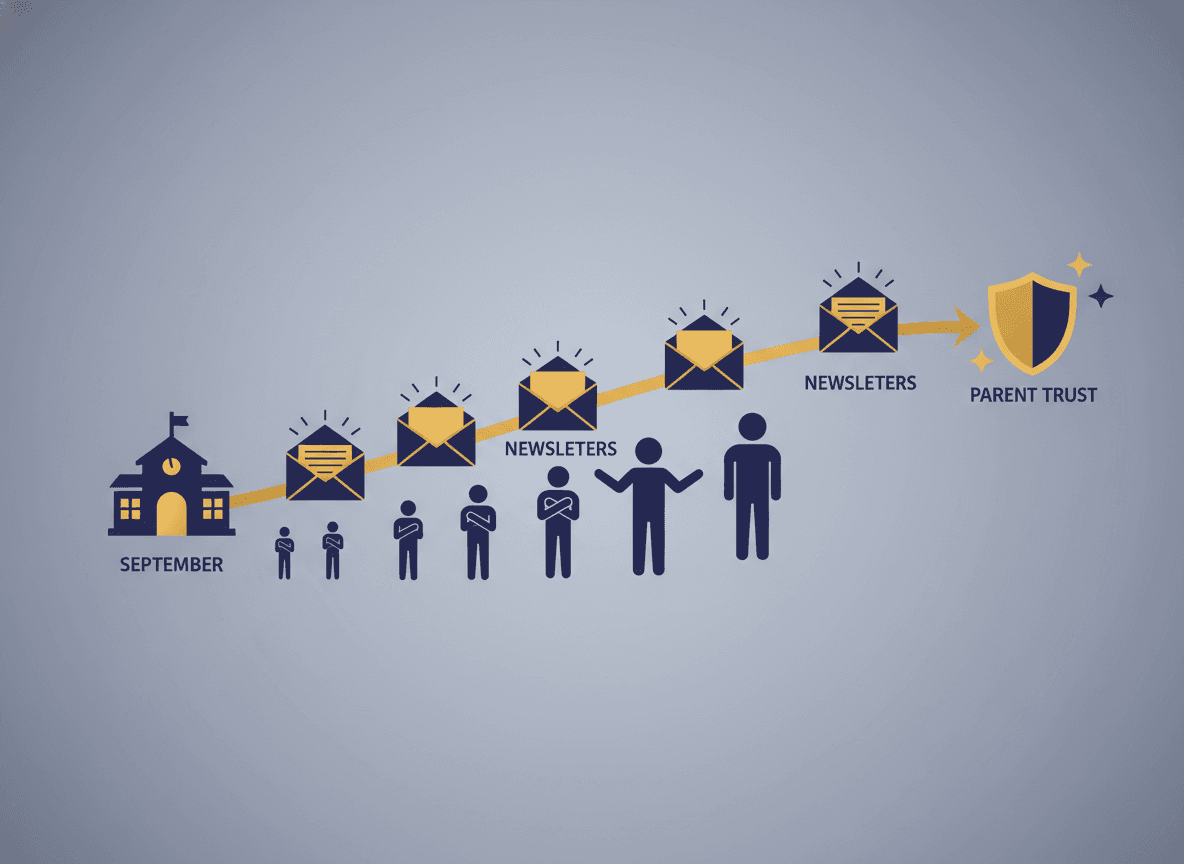
After-school programs are often the last piece of a child's school day to develop consistent family communication. The main school day has classroom teachers sending newsletters, administrators sending school-wide updates, and multiple touchpoints throughout the year. After-school programs, which care for children for one to four hours every afternoon, often communicate with families only through a pickup note, an enrollment form, and a call when something goes wrong.
This communication gap affects enrollment stability, family engagement with the program, and the perception of program quality. Families who feel informed about what their child does after school treat the program as a genuine educational partner. Families who receive minimal communication treat it as childcare with unclear value.
Establish the newsletter as a standalone communication channel
After-school program newsletters should not rely on being folded into the classroom teacher's newsletter. The teacher's newsletter is about the school day. The after-school newsletter should have its own identity, its own send schedule, and its own subscriber list. Families who enroll in an after-school program should subscribe to that program's communication specifically.
This distinction matters because the content of an after-school newsletter is different in tone and purpose from a classroom newsletter. The pickup schedule for today, the activities happening this week, the field trip coming up next month, and the staff who are with students each afternoon all belong in the after-school newsletter without competing with classroom curriculum content.
Make logistics the most visible content
Parents using after-school programs are primarily concerned with logistics: pickup times, schedule changes, early closures, activity requirements, and anything that affects their plan for the end of the day. A newsletter that buries schedule information inside a narrative about what the program is working on this week misses what most parents most need.
Front-load every operational detail. "This week: program runs 3-5 pm Monday through Thursday. Friday is early release day, program starts at 1:30 pm. There is no program on Tuesday, September 9 due to staff training." Those three sentences could prevent several confused parents and one missed pickup.
Show what students actually do
Parents who drop off their child at 3 pm and pick up at 5 pm often have limited visibility into what happens during those two hours. A newsletter that describes specific activities, shows photos of students engaged in the program's work, and highlights a memorable moment from the week answers the question every parent has but rarely asks: "What does my kid actually do there?"
This content does more than inform. It justifies the program's place in the family's schedule and budget. Families who can see specific value, "she built a marble run today and explained the science behind it," are more committed to enrollment than families who have a vague sense that their child is being supervised in the afternoon.
Introduce staff across the year
Trust in an after-school program is substantially trust in the people running it. Families who know the names, backgrounds, and personalities of the staff caring for their children are more at ease than families who have never learned who those people are.
A brief staff introduction, one per newsletter across the first month of the year, builds that familiarity without requiring any additional event or meeting. A paragraph about who someone is, why they work in the program, and what they are excited about this year is all that is needed.
Use the newsletter to drive enrollment and program participation
The after-school newsletter is also a tool for enrollment communication. Families who are reading a newsletter that consistently demonstrates value are more likely to re-enroll, to recommend the program to other families, and to maintain enrollment during periods when money is tight. The newsletter is not just a logistics tool. It is an ongoing argument for why the program is worth the family's time and investment.
Get one newsletter idea every week.
Free. For teachers. No spam.
Frequently asked questions
How should an after-school program newsletter differ from a classroom newsletter?
After-school newsletters should emphasize program activities, schedule specifics, pickup logistics, and enrollment information more prominently than a classroom newsletter would. Parents use after-school communication more transactionally, to understand what their child is doing and manage logistics, so those elements should be easy to find immediately.
How often should an after-school program send newsletters?
Weekly is practical for programs that run five days a week and have consistent activity changes. Monthly works better for programs with more stable recurring schedules. The determining factor is how frequently the content meaningfully changes. A newsletter that reports the same schedule week after week is not adding value.
What content generates the most engagement in after-school program newsletters?
Photos of students engaged in activities generate consistently high engagement because they connect families to the experience their child had in the program. Schedule updates and upcoming event announcements drive action. Brief staff introductions build trust with the people caring for students during after-school hours.
How can after-school programs use newsletters to reduce enrollment cancellations?
Families who feel regularly connected to what their child is doing in the program are significantly less likely to cancel enrollment during difficult budget moments. A newsletter that shows specific value, not just general activity, makes the program's contribution to a child's day tangible and worth protecting financially.
How does Daystage help after-school program coordinators build family communication?
Daystage is designed for educators sending parent newsletters and works as naturally for after-school program coordinators as for classroom teachers. The subscriber management, consistent template, and scheduling tools support the kind of regular communication rhythm that keeps families engaged across the full school day, including after hours.

Adi Ackerman
Author
Adi Ackerman is a former classroom teacher and curriculum writer with 8 years in K-8 schools. She writes about school communication, parent engagement, and what actually works in real classrooms.
More for Parent Engagement
Ready to send your first newsletter?
3 newsletters free. No credit card. First one ready in under 5 minutes.
Get started free