

School Newsletter Tone: How Formal Is Too Formal When Writing to Parents?
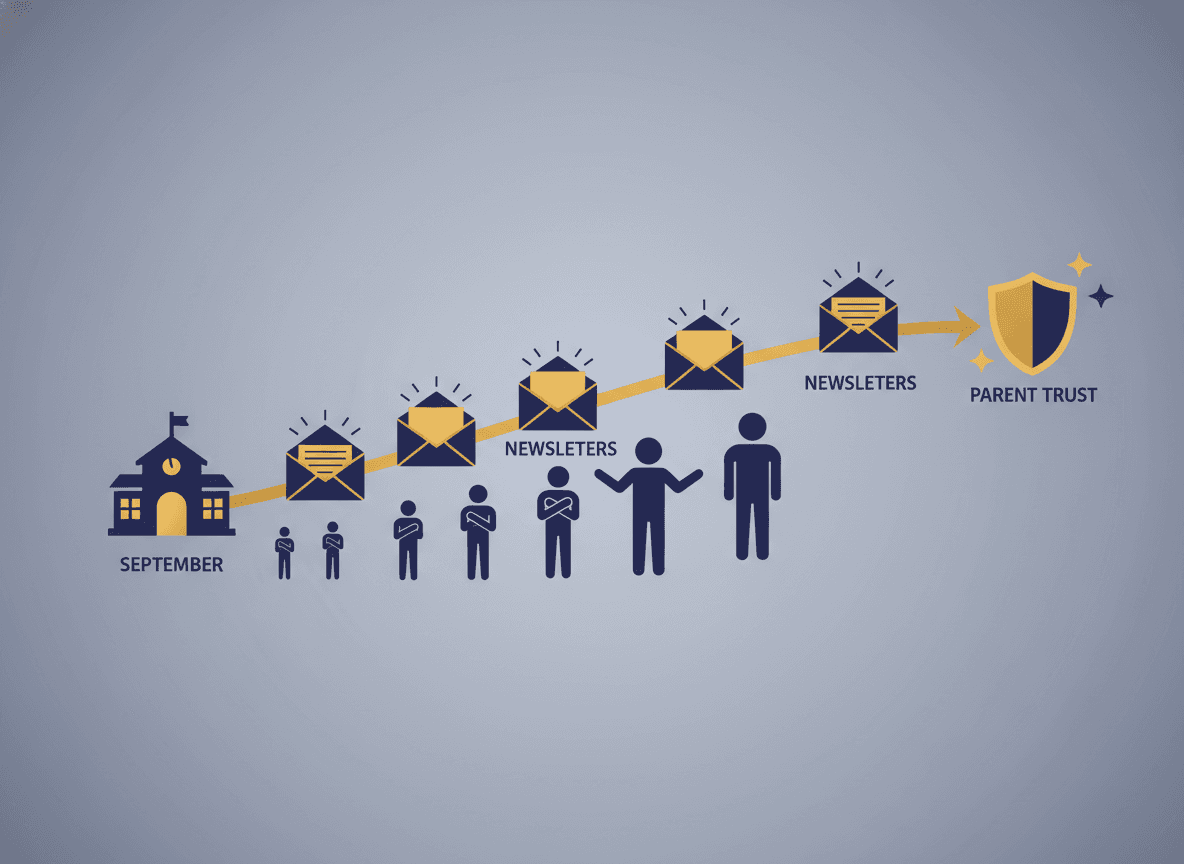
Tone is the thing parents notice most in a newsletter, even when they cannot articulate it. A newsletter that feels cold gets skimmed. A newsletter that feels warm and direct gets read. Getting tone right is not about following a style guide. It is about writing like a real person who genuinely wants to keep families informed.
The Problem With Being Too Formal
Formal school newsletters evolved from formal school culture: the assumption that official communication should sound official. The result is newsletters full of phrases like "as per our school communication guidelines" and "we look forward to your continued support of our educational initiatives."
Parents read those phrases and disengage. The formality signals that this is an institutional document, not a communication from a person who knows their child. Engagement drops. Open rates drop. The relationship between teacher and family weakens, not because the information was bad but because the delivery felt impersonal.
The Problem With Being Too Casual
The opposite mistake is newsletters that try so hard to be relatable that they lose professional grounding. Emoji clusters, trendy slang, and chatty asides can read well with some families and alienate others. They can also create the impression that the teacher is not taking the communication seriously.
More practically: a newsletter from a teacher to a parent is a professional communication on behalf of a public institution. Some parents will save and reference these newsletters. Some will share them with administrators or other families. A newsletter that reads like a text message creates risk you do not need and professionalism you are not getting credit for.
What the Right Tone Actually Sounds Like
Warm, direct, and clear. Like a confident professional who genuinely likes the families they serve. Here is a before-and-after example.
Too formal: "It is the aim of this communication to inform families of the upcoming science unit and to solicit parental participation in the associated home learning activities."
Right tone: "This week we started our science unit on ecosystems. There is a home observation activity on page two of this newsletter. It takes about 15 minutes and kids usually love it. Let me know what your child finds."
Same information. Completely different relationship.
Calibrate to Your Specific Community
Tone is not universal. A high school in a formal professional community may expect a slightly more professional register than an elementary school in an informal neighborhood where the teacher knows most families by first name. Pay attention to how families communicate with you and mirror a slightly more formal version of it in your newsletter.
If parents write to you with casual warmth, your newsletter can be warm. If parents are formal in their communications, a slightly more formal newsletter will feel more natural to them. The goal is not to match perfectly but to not create a jarring disconnect.
Test Your Own Tone Before You Send
Read your newsletter aloud before sending it. If any sentence sounds stiff, awkward, or like something you would never say to a parent in person, rewrite it. The read-aloud test catches tone problems faster than any other editing method.
Then ask: does this sound like a person who knows these families? Does it sound like someone who finds the students genuinely interesting? Does it feel like something worth reading?
If the answer to all three is yes, the tone is right.
Get one newsletter idea every week.
Free. For teachers. No spam.
Frequently asked questions
Should a school newsletter be formal or casual?
Neither extreme works well. A newsletter that reads like an official legal notice creates distance. A newsletter that reads like a text message from a friend undermines the professional relationship. The right tone is warm, clear, and direct, like a confident, approachable professional talking to a person they respect. Think of how you would write to a parent you know well and want to keep informed.
Does the grade level affect how formal a newsletter should be?
Yes, somewhat. Elementary teacher newsletters tend toward warmer, more personal tones because the relationship with families is often closer and the audience (young students' parents) expects that warmth. High school newsletters can be a bit more direct and information-focused, reflecting the shift toward student independence. But across all grades, approachable and clear beats formal and stiff.
What are the signs a newsletter is too formal?
Sentences that start with 'It is with great pleasure that we...' or 'Pursuant to our communication policy...' Signal phrases that would sound strange in a spoken conversation. Passive voice. Lots of administrative nouns like 'implementation,' 'facilitation,' and 'stakeholders.' If you would not say it to a parent's face, do not put it in the newsletter.
What are the signs a newsletter is too casual?
Emoji overuse. Slang or trend language that will date quickly. Oversharing personal information. Humor that might land differently for different families. Inside jokes that exclude some readers. The newsletter is a professional document. Warmth does not require informality. The best newsletters read like a thoughtful person, not a social media post.
How does Daystage help teachers find the right newsletter tone?
Daystage templates are built with a warm, professional default tone that works across school types and grade levels. Teachers can customize language inside that framework without accidentally drifting into bureaucratic stiffness or over-casual informality. The platform also lets teachers see examples from the newsletter library to calibrate tone before writing.

Adi Ackerman
Author
Adi Ackerman is a former classroom teacher and curriculum writer with 8 years in K-8 schools. She writes about school communication, parent engagement, and what actually works in real classrooms.
More for Parent Engagement
Parent Advisory Committee Newsletter: How to Communicate PAC Work to the Whole School Community
Parent Engagement · 5 min read
How to Communicate with Families During a School Crisis
Parent Engagement · 7 min read
Using Photos in School Newsletters: Best Practices for Teachers and Principals
Parent Engagement · 6 min read
Ready to send your first newsletter?
3 newsletters free. No credit card. First one ready in under 5 minutes.
Get started free