

How to Build a Newsletter Content Bank That Makes Weekly Writing Easier
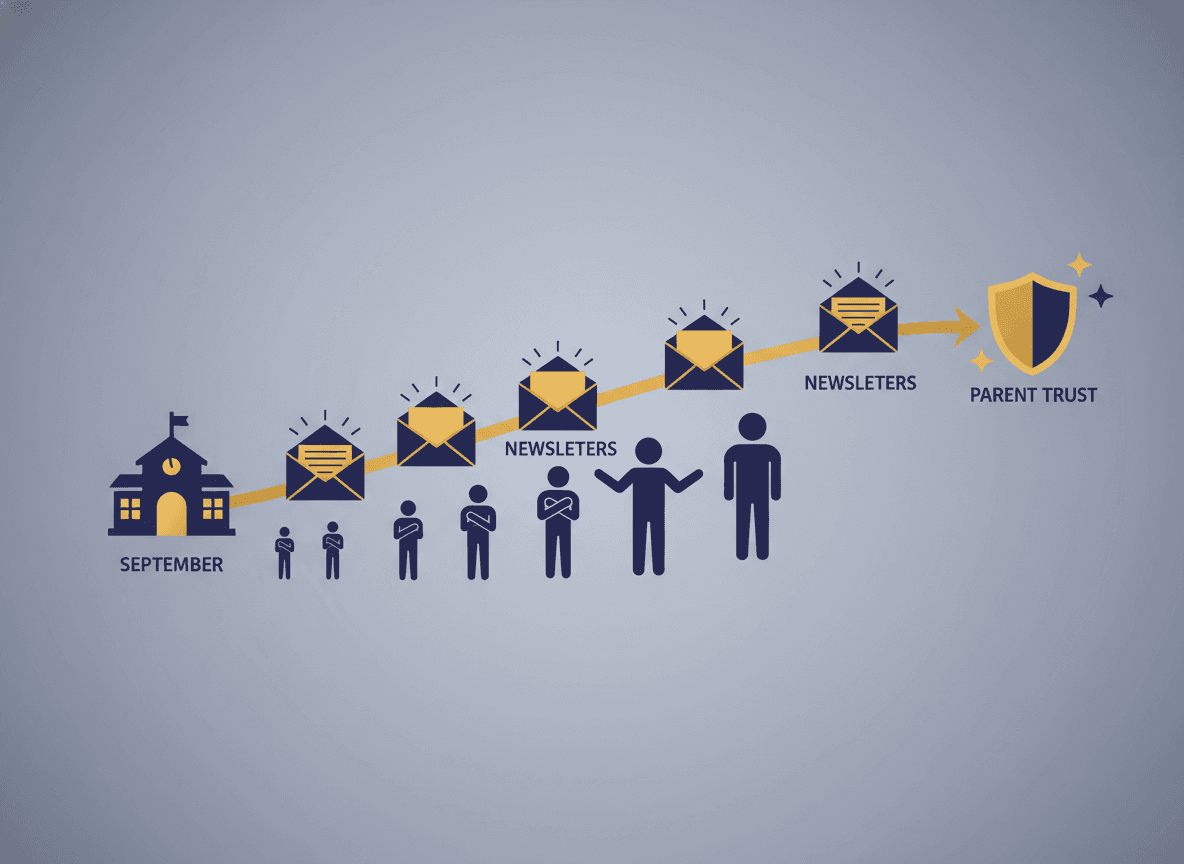
The weekly newsletter is one of the most valuable things a teacher can do for parent engagement. It is also one of the most easily avoided, because every week it requires sitting down and writing something from scratch. For teachers who are already planning lessons, grading work, and managing 25 other responsibilities, the blank newsletter page is a real weekly friction point.
A content bank does not eliminate the writing. It transforms it from starting from scratch to choosing and customizing from prepared material. The difference in weekly time investment is significant.
What goes into a content bank
A content bank is a stored document, folder, or notes file where you keep pieces of newsletter content that can be reused, lightly adapted, or pulled from when you are writing a given week's send. It is not a collection of finished newsletters. It is a library of components.
The most useful components are evergreen sections that change only in their specifics: a weekly curriculum update template where you only need to fill in the topic, a classroom values reflection that can be rotated across the year, a reminder section for recurring school events, and standard language for common notices like field trip policy or homework expectations. Each of these can be written once and updated quickly rather than rewritten from scratch.
Build the bank before school starts
The best time to create your content bank is in the week or two before school begins, when you have time to think clearly and are already planning for the year ahead. Block one to two hours specifically for this task.
Start with your recurring sections: the greeting, the week-in-review template, the looking-ahead section, the action items section, and the closing. Write a default version of each one that you can update in minutes each week. Then write any seasonal pieces you know will recur: a September-welcome version, a midwinter check-in version, an end-of-year wrap-up version. Bank these now so they are ready when the calendar reaches them.
Capture newsletter gold as it happens
Some of the best newsletter content comes from moments that happen in the classroom that you did not anticipate. A student observation that was genuinely insightful. An unexpected class discussion that went somewhere meaningful. A small project moment that made everyone laugh.
Capture these moments when they happen. A brief note in a phone memo or a running document, just two to three sentences describing what happened, gives you a library of specific, authentic classroom content that you can draw from in newsletter writing. Teachers who capture moments in real time write newsletters that feel alive rather than generic.
Create a rotating section library
Newsletter fatigue is partly a reader problem and partly a writer problem. When teachers write the same sections in the same order every week, the writing becomes mechanical and the reading follows. A rotating section library, where you cycle through four or five different section types across the month, keeps the newsletter fresh for both you and your families.
For example: week one might feature a "from the students" section with quotes. Week two might feature a "what we are reading" section about the current class book. Week three might feature a brief curriculum spotlight. Week four might feature a behind-the-scenes look at something families do not usually see. Each type is written as a template in your bank and rotated into the newsletter as its week comes.
Build the bank across years, not just within them
A content bank that serves you for one year is useful. A content bank that has grown over three years is a significant professional asset. Store your bank in a format you can access from any device and can carry with you across school years and even school changes.
At the end of each year, spend 30 minutes reviewing the bank. What sections worked consistently well? Which ones never produced something usable? Which seasonal pieces should be updated for next year? A brief end-of-year review makes the following year's bank stronger without requiring you to rebuild from scratch.
Get one newsletter idea every week.
Free. For teachers. No spam.
Frequently asked questions
What is a newsletter content bank and why do teachers need one?
A content bank is a stored collection of newsletter sections, phrases, and evergreen content that teachers can pull from each week rather than writing from scratch. It reduces the time cost of newsletter writing significantly and improves consistency across the year.
What should go into a teacher's newsletter content bank?
Stock opening sections, evergreen classroom descriptions, recurring event reminders written in advance, commonly asked parent questions with standard answers, and signed-off school policy language that can be reused throughout the year. The best content bank also includes sections that just need a date updated rather than fully rewritten.
How long does it take to build a useful newsletter content bank?
One focused session at the start of the school year, roughly one to two hours, is enough to build a bank that makes the rest of the year significantly easier. Teachers who maintain and add to the bank throughout the year find that by spring they can produce a complete newsletter in under 20 minutes.
Should the content bank include seasonal content?
Yes. Holiday greetings, end-of-quarter messages, and seasonal reminders can all be written once and stored for reuse year after year. A bank built thoughtfully in year one becomes more valuable in year two when the whole library is already there.
How does Daystage work alongside a content bank?
Daystage provides the template and delivery infrastructure for your newsletter. Your content bank provides the material that fills those templates each week. Together they reduce the weekly newsletter from a creative task that starts from zero to an assembly task that pulls from stored, ready material.

Adi Ackerman
Author
Adi Ackerman is a former classroom teacher and curriculum writer with 8 years in K-8 schools. She writes about school communication, parent engagement, and what actually works in real classrooms.
More for Parent Engagement
School Newsletter Tone: How Formal Is Too Formal When Writing to Parents?
Parent Engagement · 5 min read
Infographics in School Newsletters: How to Make Complex Information Easy to Read
Parent Engagement · 5 min read
How After-School Programs Can Use Newsletters to Keep Families Engaged
Parent Engagement · 6 min read
Ready to send your first newsletter?
3 newsletters free. No credit card. First one ready in under 5 minutes.
Get started free