

How to Track Parent Newsletter Engagement and Use the Data to Improve
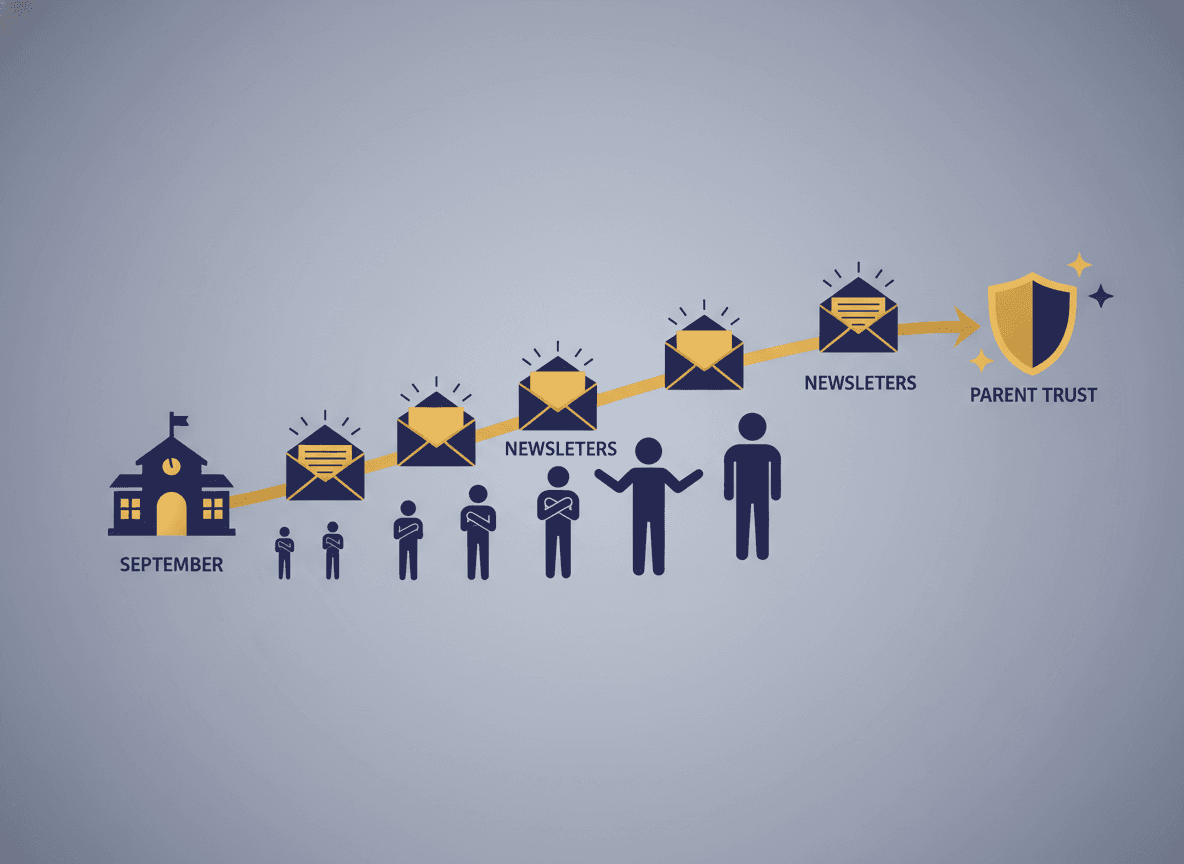
Most teachers send their newsletter, close the browser, and have no idea whether anyone read it. This is understandable but leaves significant improvement opportunity on the table. A teacher who tracks open rates, click rates, and unsubscribe patterns over a few months builds a picture of what their specific parent community responds to and what they skip. That picture is worth more than any general advice about newsletter best practices.
The three metrics that matter most
Open rate is the most fundamental metric: what percentage of the families who received your newsletter opened it. A high open rate means your subscriber list is current, your subject lines are working, and families are not filtering you to spam. A low open rate means one or more of those things is not working.
Click rate measures how many families clicked at least one link in the newsletter. This tells you whether your content is driving action. A newsletter with high opens and low clicks is being read but not acted on, which might mean action items are not clearly labeled, links are buried, or the content is informational but not actionable.
Unsubscribe rate tells you about satisfaction over time. A consistent low unsubscribe rate means families are comfortable receiving your newsletter. A spike after a specific send tells you something about that send drove someone to opt out.
Benchmark against yourself, not external standards
Industry benchmarks for email open rates are useful as a rough reference, but your most meaningful comparison is your own newsletter history. The relevant question is not "is 55% a good open rate?" but "is my open rate trending up, down, or flat over the last three months?" A downward trend is a signal to investigate even if the absolute number is still reasonable.
Track your metrics in a simple spreadsheet: date, open rate, click rate, unsubscribe count, and a brief note on the newsletter content. Four months of this data will reveal patterns you would never notice from individual sends.
Use click data to learn what families care about
If your newsletter tool shows you which specific links were clicked and how many times, this data is extraordinarily valuable. A link to the class reading list that gets clicked 60 percent of the time tells you families are highly interested in what their children are reading. A link to the volunteer sign-up that gets 5 percent tells you the ask did not convert, which might mean it was not specific enough, not well-placed, or simply a topic families were not motivated by this week.
Over time, click data maps the specific interests of your parent community in a way that no survey can fully replicate, because it measures actual behavior rather than stated preferences.
Investigate delivery problems, not just engagement problems
When open rates drop, the first instinct is to improve the content. But sometimes the content is fine and there is a technical problem. A bounce rate that has increased means more email addresses on your list are invalid, which depresses the open rate metric. A spam filter change at a major email provider might mean a portion of your sends are landing in spam. These are technical problems with technical fixes, not content problems.
Before changing your newsletter content in response to a drop in open rates, check your bounce rate and ask a few families whether they are still receiving your newsletter. A technical diagnosis is faster and more targeted than a content overhaul.
Do not let metrics replace judgment
Newsletter metrics are a useful signal, not a verdict. A newsletter with a lower-than-usual open rate might have contained exactly the right information for the families who most needed it. A newsletter with a high open rate might have generated alarm by covering a controversial topic. Metrics tell you what happened. Your judgment determines whether what happened was good.
Get one newsletter idea every week.
Free. For teachers. No spam.
Frequently asked questions
What is a good open rate for a school newsletter?
School newsletters typically outperform commercial email because families are motivated by relevance. An open rate of 50 to 70 percent is achievable with a consistent send schedule and a current subscriber list. An open rate below 30 percent suggests either a deliverability problem, a subscriber list with outdated addresses, or content and timing issues worth investigating.
What does a high click rate tell a teacher about their newsletter?
A high click rate means families are finding links relevant enough to act on. Click rates on specific links also tell you which content families find most actionable. A link to a sign-up form that gets clicked by 40 percent of recipients is a topic families care about. One that gets 2 percent is either too buried or simply not a priority.
Should teachers worry about unsubscribes?
A small unsubscribe rate, typically under 1 percent per send, is normal and healthy. It means your list is self-selecting toward families who are genuinely interested. A spike in unsubscribes after a specific send is useful signal that something about that send, the tone, the content, or the length, prompted families to disengage.
How should teachers respond to a declining open rate over the course of the school year?
First check for deliverability issues, then look at whether the newsletter format or content has changed significantly since the high-open-rate period. Declining open rates across a year often reflect gradual newsletter bloat or reduced relevance of content. A content audit and possible format refresh usually stops the decline.
How does Daystage provide engagement data to help teachers improve their newsletters?
Daystage tracks opens, clicks, and subscriber activity so teachers can see at a glance how each newsletter performed. Over time this data reveals patterns in what content types and send times produce the best engagement, making it easier to write newsletters that families actually read.

Adi Ackerman
Author
Adi Ackerman is a former classroom teacher and curriculum writer with 8 years in K-8 schools. She writes about school communication, parent engagement, and what actually works in real classrooms.
More for Parent Engagement
Ready to send your first newsletter?
3 newsletters free. No credit card. First one ready in under 5 minutes.
Get started free