

How to Communicate Immunization Requirements Through School Newsletters
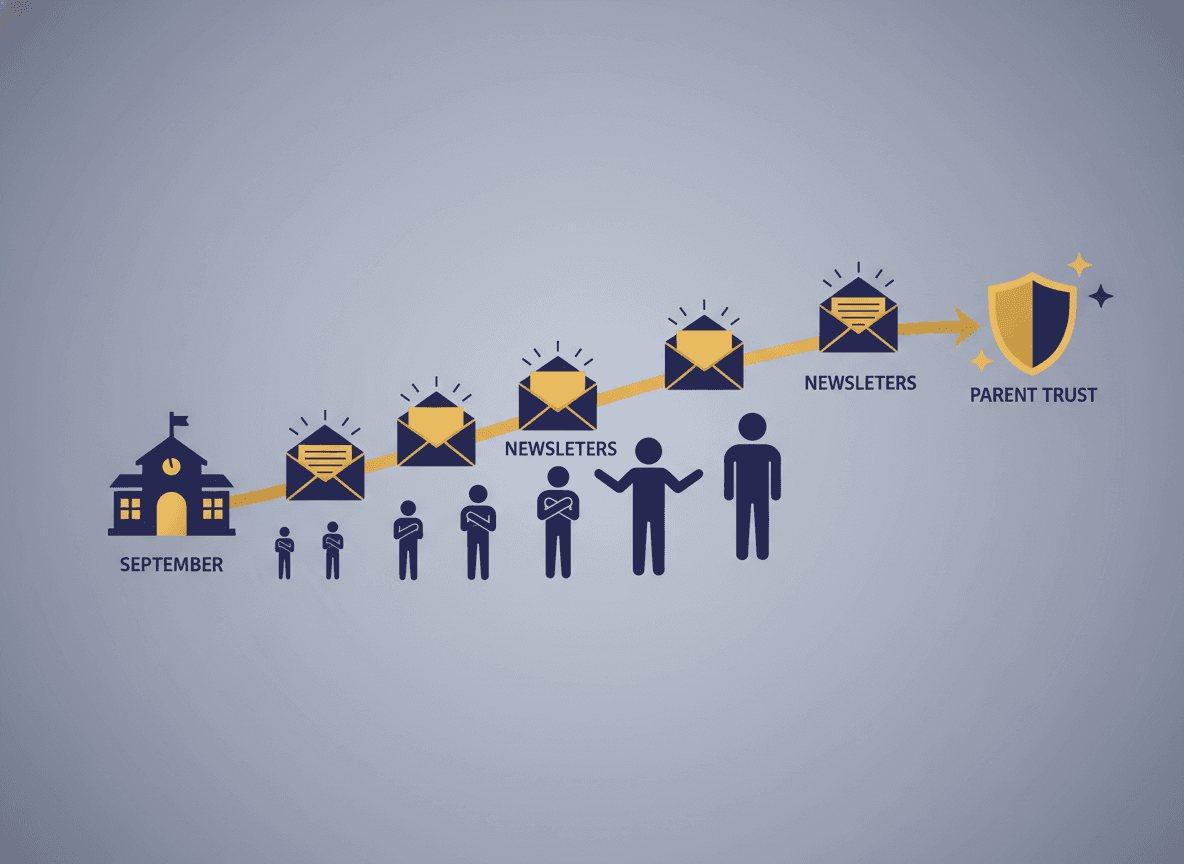
Immunization communication is one of those school newsletter topics where tone and structure matter enormously. The information itself is often required by law and is not optional. But how that requirement is communicated can be the difference between families complying without conflict and families who feel lectured or pressured and push back publicly.
These guidelines are not about the science of vaccines or school health policy. They are about how to communicate clearly and calmly about requirements that already exist, in a way that gets families to take the action needed.
Lead with the facts, not the stakes
Opening an immunization notice with "To protect all students in our school community" before stating what is required positions the communication as an argument rather than a notification. Families who have concerns about vaccination requirements will dig into that framing immediately. Families who do not have concerns do not need it.
A more effective opening states the requirement directly: "Students in grades [X] are required to have [specific vaccine] on record by [date]. If your student's records are current, no action is needed. If you are not sure or need to schedule an appointment, please see the details below." This is a factual notice, not a debate. It reaches families at exactly the level of complexity they need.
State the deadline clearly and early
The single most important piece of information in an immunization notice is the deadline, and it should be impossible to miss. State it in the first paragraph, again in the action items section, and repeat it in any follow-up reminders. Use the full date format. "By Friday, September 19, 2026" is unambiguous. "Before the end of the month" is not.
Explain what happens at the deadline without being punitive in tone
Most states require schools to exclude students who are not compliant with immunization requirements by the deadline. Families need to know this, but the way you communicate it matters. "Students whose records are not updated by [date] may not be able to attend school until requirements are met" is factual. "Students will be removed from class" is accurate but alarming in tone without providing families with anything they can do differently.
Pair the consequence with a clear path to avoid it: the deadline date, the office contact for submitting records, and whether records submitted up to the deadline will be accepted without penalty.
Direct families with questions to the right person
Immunization notices frequently generate questions about exemptions, which states handle differently. Medical exemptions require a healthcare provider statement. Religious exemptions exist in some states and not others. Families who have concerns about specific vaccines may want to speak with a healthcare provider before responding.
A newsletter notice should include a specific contact, the school nurse or office administrator, for families with questions. "If you have questions about exemptions or need more information, please contact [name] at [contact] before [date]" points families toward the right resource rather than leaving them to reach out to the classroom teacher about a policy the teacher is not positioned to explain.
Give adequate advance notice
Scheduling a pediatric appointment for a required vaccine often takes two to four weeks. An immunization notice sent one week before the deadline is not a reasonable notice, even if it is technically timely. Four to six weeks of advance notice, with two reminder mentions during that period, gives families who need to take action a realistic window to do so without crisis.
Get one newsletter idea every week.
Free. For teachers. No spam.
Frequently asked questions
Should classroom teachers communicate immunization requirements in their newsletter?
Generally, immunization requirements are communicated by school administration or the school nurse rather than classroom teachers. A classroom teacher who references immunization requirements in a newsletter should do so by referring families to the official school communication rather than interpreting the requirements themselves.
What tone is appropriate for immunization communication in a school newsletter?
Factual and calm. Immunization is a topic where strong emotions exist on multiple sides. School communication that is matter-of-fact about requirements and deadlines, without editorializing in either direction, is more effective and generates fewer confrontational responses than communication that is defensive or advocacy-oriented.
How should schools address the fact that some families may have concerns about vaccines?
Acknowledge that families can speak with their healthcare provider about questions and concerns, and direct them to the school's specific policy on medical and religious exemptions if your state allows them. Do not argue with families' concerns in the newsletter. Provide clear information and a clear path for families with questions.
How much advance notice should schools give for immunization deadlines?
A minimum of four to six weeks for any immunization deadline that requires a family to schedule an appointment, and at least two reminder notices during that period. Families who discover a deadline one week before exclusion date often cannot meet it through no fault of their own.
How can schools use Daystage to communicate immunization updates to families?
Daystage gives schools and teachers a reliable email channel with a current subscriber list. Time-sensitive health communications like immunization deadlines can be sent through the same newsletter channel families already trust, ensuring higher open rates than an unfamiliar sender from the district.

Adi Ackerman
Author
Adi Ackerman is a former classroom teacher and curriculum writer with 8 years in K-8 schools. She writes about school communication, parent engagement, and what actually works in real classrooms.
More for Parent Engagement
Weekly, Monthly, or Quarterly: Which Newsletter Frequency Is Right for Your School?
Parent Engagement · 6 min read
How to Make School Newsletters Accessible to All Families Including Low-Income Households
Parent Engagement · 7 min read
How School Newsletters Build Parent Trust Over Time
Parent Engagement · 7 min read
Ready to send your first newsletter?
3 newsletters free. No credit card. First one ready in under 5 minutes.
Get started free