

Health Screening Results Newsletter: How Schools Should Communicate Findings to Families
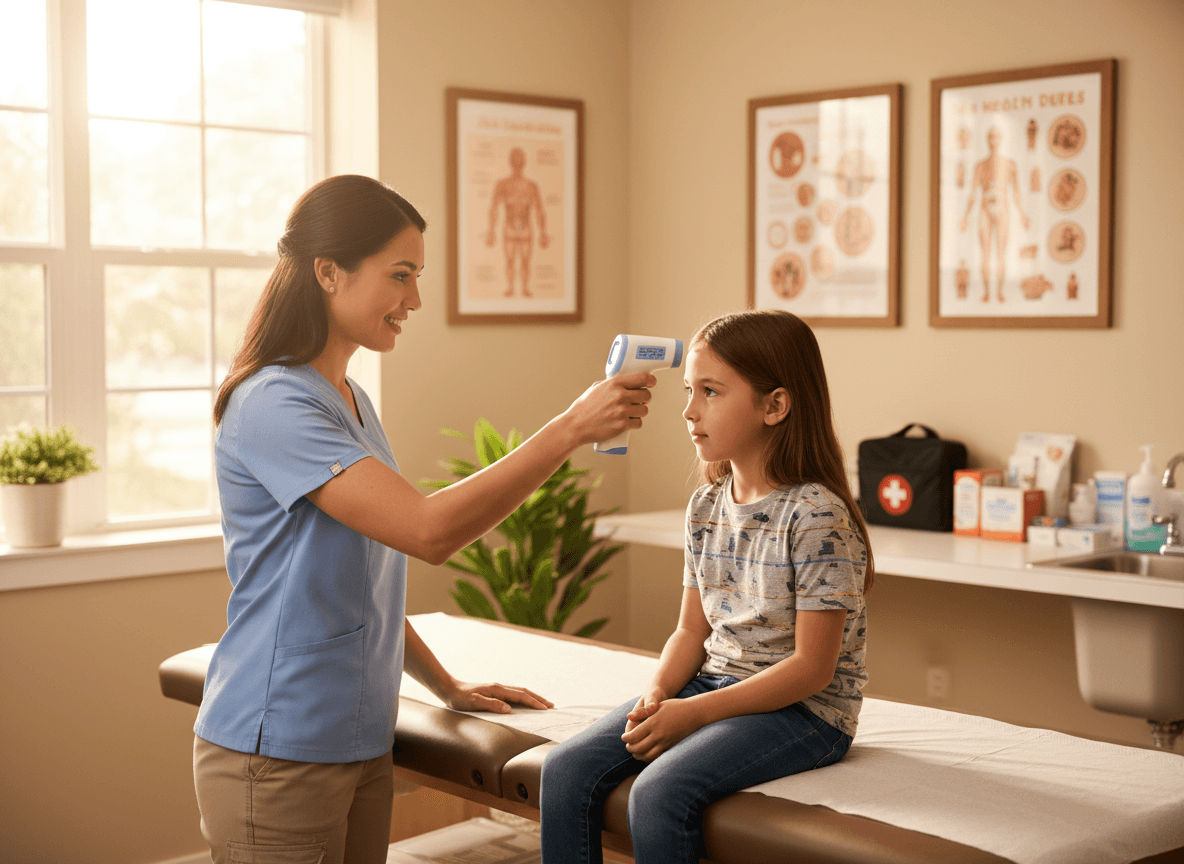
Health screenings are among the most concrete health services schools provide. Vision, hearing, scoliosis, and dental screenings identify conditions that would otherwise go undetected until they significantly affect a student's learning or quality of life. Yet the communication around screenings is frequently unclear, which leads to families who do not prepare adequately before screenings and referrals that go unaddressed because families do not understand what to do with them.
This guide covers how school nurses can communicate about screenings at three stages: before they happen, when results are individual, and after the screening cycle is complete.
Pre-screening communication: setting expectations before the event
An announcement sent two weeks before a screening accomplishes several things. It prepares families for the screening so that students arrive ready (wearing glasses on vision screening day, for example). It explains what the screening covers so families understand the difference between a school screening and a medical exam. It describes the referral process so families know what to expect if they receive a follow-up letter.
The most important element of the pre-screening announcement is the clear explanation of what a referral does and does not mean. A referral following a vision screening does not confirm that a student has poor vision. It means the screening result was outside the normal range and a professional examination is recommended. Families who understand this are less alarmed by a referral letter and more likely to act on it.
Individual referral letters: the structure that produces follow-up
Referral letters that produce medical follow-up share a common structure. They state the date and type of screening, the specific finding (right eye acuity was below threshold, for example), a plain explanation of what this means, the type of professional recommended (pediatric optometrist, audiologist), a suggested follow-up timeframe, and the nurse's contact information.
Letters that do not produce follow-up are typically missing one or more of these elements. A letter that says "your child did not pass the vision screening" without explaining what that means, what to do, or who to see generates confusion rather than action.
Barriers to follow-up and how to address them
The families who do not respond to screening referrals often fall into two groups: those who received the letter and do not understand the process, and those who want to follow up but cannot access care due to cost, insurance, or transportation.
A school nurse who makes a phone call to non-responding families after the first reminder frequently surfaces these barriers and can provide resources. Vision assistance programs, Medicaid enrollment support, and local free clinics are all things the school can point families toward. A referral that connects families to resources produces better health outcomes than a referral that assumes families can navigate the system independently.
General newsletter content after screening season
After a screening cycle is complete, the general newsletter can include aggregate information: how many students were screened, what percentage received referrals, and what families with referrals should do if they have not yet followed up. This content does not disclose individual student information and serves as a second prompt for families who misplaced or did not respond to their original referral letter.
Annual screening calendar communication
Including a brief screening calendar in the back-to-school newsletter, noting which grades will be screened for what and approximately when, gives families the full picture for the year. A family that knows their 5th grader will have a vision and hearing screening in October is not surprised when the screening day arrives and can prepare accordingly.
Get one newsletter idea every week.
Free. For teachers. No spam.
Frequently asked questions
How should schools communicate health screening results to families?
Individual results should go to each family in a separate, private communication rather than in the general school newsletter. The school newsletter is the right place to announce that screenings will take place, to explain what screenings cover and why, and to describe what families should do if they receive a referral letter. Summary aggregate information (like the percentage of students who completed screenings) is also appropriate for the general newsletter without disclosing any individual data.
What should a screening referral letter include?
The screening date, what was screened, the specific finding that prompted the referral, a clear explanation of what the referral means and what it does not mean, recommended next steps including the type of professional to see, a deadline by which the school requests follow-up, and the nurse's contact information. Families who receive vague referral letters often do not act on them because they do not understand the urgency or the process.
How should schools handle families who do not respond to screening referrals?
A two-step follow-up approach works best. Send a reminder letter or email two to three weeks after the initial referral. If there is still no response after another two weeks, have the school counselor or nurse make a phone call. Some families lack access to the specialist the referral recommends. A phone call often surfaces these barriers and allows the school to help connect families to affordable options rather than assuming the family is simply unengaged.
What should the school newsletter say before screenings happen to prepare families?
Before screenings, send an announcement that covers what is being screened, which grades participate, when the screenings will occur, what families should do to prepare (like ensuring their child wears their glasses on screening day), and what the referral process looks like if a concern is identified. Families who know the process in advance are less alarmed by a referral and more likely to follow up.
How does Daystage help schools manage screening communication more efficiently?
Daystage lets you build a health screening calendar section in the newsletter template that gets updated each semester as new screenings are scheduled. The pre-screening announcement template and the post-screening summary template both stay in the system. You update the specific screening dates and grades without rewriting the standard information about what to expect and how referrals work.

Adi Ackerman
Author
Adi Ackerman is a former classroom teacher and curriculum writer with 8 years in K-8 schools. She writes about school communication, parent engagement, and what actually works in real classrooms.
More for Health & Wellness
Back-to-School Health Newsletter: Everything Families Need Before the Year Starts
Health & Wellness · 6 min read
School Food Allergy Newsletter: Communicating Policies That Keep All Students Safe
Health & Wellness · 7 min read
School Opioid and Naloxone Policy Newsletter: What Families Need to Know
Health & Wellness · 5 min read
Ready to send your first newsletter?
3 newsletters free. No credit card. First one ready in under 5 minutes.
Get started free