

Back-to-School Health Newsletter: Everything Families Need Before the Year Starts
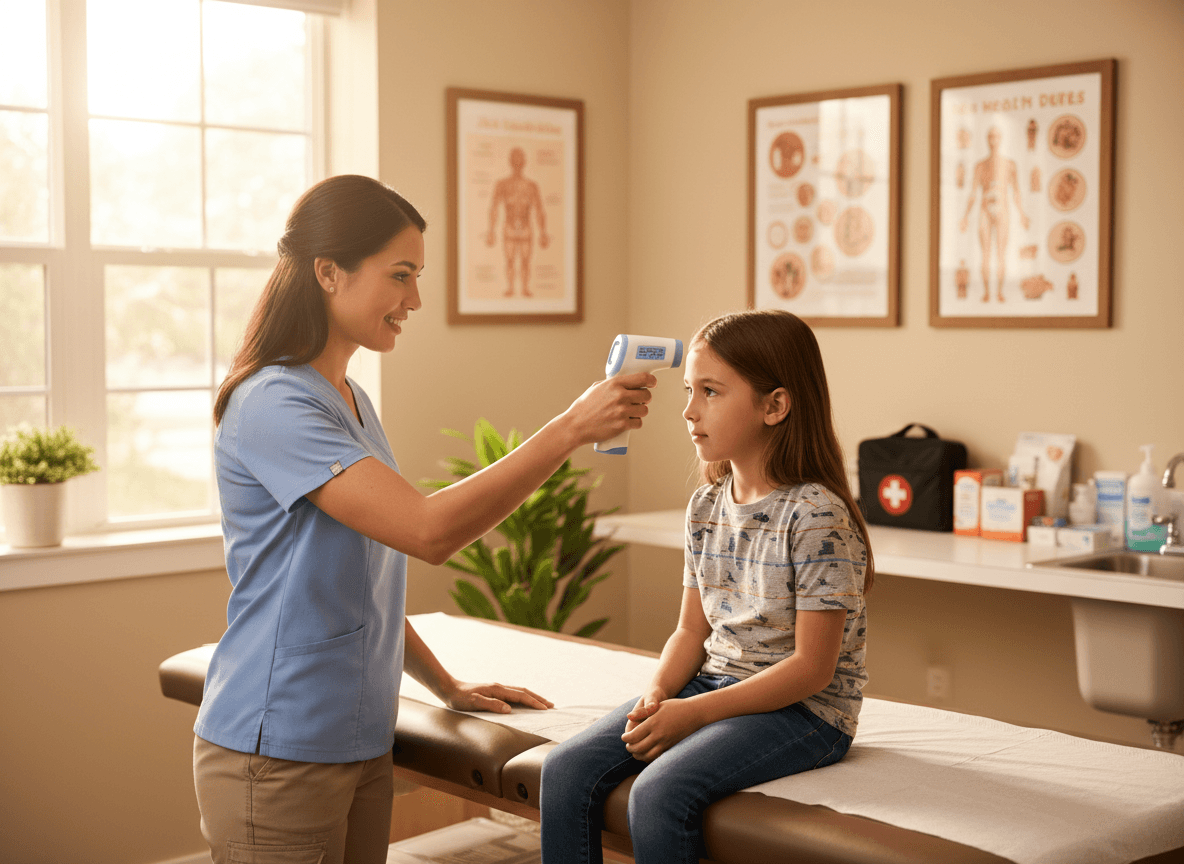
The back-to-school health newsletter is the most important health communication a school sends all year. Families who are actively preparing for school are more likely to read, retain, and act on health information than families who receive it mid-year when competing priorities are higher. A well-structured back-to-school health newsletter sets the health context for the entire year.
This guide covers every element that the back-to-school health newsletter should include, the tone that works, and the structure that helps families find what they need quickly.
Immunization requirements: the element families most need to see
Start with immunization requirements because they have the most immediate deadline. List the vaccines required for each grade level in plain language. State the compliance deadline. Explain what documentation to submit and how. Include the school nurse's contact and the local health department vaccination clinic schedule for families who need vaccines before the deadline.
For families who have religious or medical exemptions, name the exemption process and deadline without making it feel like a contentious issue. Both the compliance information and the exemption process belong in the newsletter because both are things families need to know before the deadline passes.
The school illness policy: what families need to know before school starts
A clear illness policy statement prevents the "should I send them today?" calls that take up nursing office time in the first weeks of school. Cover: the specific symptoms that require a student to stay home, the fever threshold and return criteria, the 24-hour fever-free rule, and what families should do when a student develops symptoms at school.
For chronic conditions or students with specific health needs, note that the nurse is available before school starts to set up health plans and that families should contact her before the first day if their student has a condition that requires accommodation.
Health screenings: the annual schedule
Give families the full year's screening schedule in August rather than sending separate announcements for each screening. Grade level, screening type, and approximate timing (October for vision and hearing in grades 1, 3, and 5, for example) in a simple table or short bulleted list gives families the whole picture. They can anticipate screenings, ensure their child wears glasses on vision screening day, and understand what a referral letter means if they receive one.
Introducing the health team
The back-to-school newsletter is the right moment for the nurse and counselor to introduce themselves. Three sentences each: name, how they can be reached, and one or two examples of the most common reasons families reach out. This introduction makes both people real and approachable before any student or family reaches a difficult moment.
Wellness resources for the year
A brief overview of the year's wellness programs, mental health resources, nutrition program, and physical activity program gives families the whole health and wellness picture at once. This does not need to be long. A sentence per area with the relevant contact is sufficient. The purpose is to let families know what exists so that when they need a specific resource, they know where to start.
The structure that helps families find what they need
Use clear section headings that families can scan. "Immunization Requirements," "Illness Policy," "Health Screenings," "Your Health Team," "Wellness Resources" as headers with the relevant content under each allows families to go directly to what they need rather than reading the whole newsletter to find a specific piece of information. The back-to-school health newsletter is reference material as much as it is reading material.
Get one newsletter idea every week.
Free. For teachers. No spam.
Frequently asked questions
What should a back-to-school health newsletter cover?
The back-to-school health newsletter is the highest-impact health communication of the year because families are in preparation mode and will act on information they receive. Cover: immunization requirements and deadlines for compliance, the school's illness policy (when to stay home, return criteria), upcoming health screenings and their grade-level schedule, the nurse's name and contact, the counselor's name and contact, and any new or updated health policies for the year. This single communication sets the health context for the entire year.
How should schools communicate immunization requirements without alarming families?
State the requirement clearly: which vaccines are required for the grade level, what the compliance deadline is, and what happens if documentation is not submitted by the deadline. Include the health department clinic schedule for families who need vaccines. Most families simply need a clear reminder and a specific deadline to act. Families who are philosophically opposed to vaccination need to know the exemption process. Neither group benefits from vague communication that leaves the actual requirements unclear.
How much detail should a back-to-school health newsletter include?
Enough to cover the questions families will actually ask before the year starts. The document does not need to be a comprehensive health policy. It needs to answer the five to seven questions a parent would ask if they could call the nurse on August 15: when do they need vaccines, when should they keep their child home, who is the nurse, when are screenings, what does the counselor do. Answers to those questions in plain language, one or two sentences each, is the right scope.
When is the best time to send a back-to-school health newsletter?
One to two weeks before school starts is the most effective window. Early enough for families to act on immunization deadlines, late enough that families are in school-preparation mode and paying attention to school communication. A second reminder about incomplete immunization records in the first week of school catches families who missed the original communication. After the start of school, families who have not yet submitted records are identifiable and can be contacted directly.
How does Daystage help schools publish the back-to-school health newsletter efficiently?
Daystage lets you keep the back-to-school health template in the newsletter system and update it each August with the current immunization requirements, screening schedule, and staff contacts. The standard illness policy, wellness resources, and counselor introduction stay in place year to year with only the specific updates needed. The newsletter goes out on time rather than being delayed by the annual writing task.

Adi Ackerman
Author
Adi Ackerman is a former classroom teacher and curriculum writer with 8 years in K-8 schools. She writes about school communication, parent engagement, and what actually works in real classrooms.
More for Health & Wellness
School Opioid and Naloxone Policy Newsletter: What Families Need to Know
Health & Wellness · 5 min read
School Vision Health Newsletter: What Families Need to Know About Student Eye Health
Health & Wellness · 5 min read
Puberty and Health Education Newsletter: How Schools Can Communicate With Families
Health & Wellness · 6 min read
Ready to send your first newsletter?
3 newsletters free. No credit card. First one ready in under 5 minutes.
Get started free