
School Food Allergy Newsletter: Communicating Policies That Keep All Students Safe
Food allergy communication in schools walks a narrow line. Share too little and families with allergic children feel unsupported. Share too much and you expose a student's private health information to their classmates' families. Get the tone wrong and you create resentment between families who feel restricted and families who feel their child's safety is treated as an inconvenience.
The policies themselves are usually not the problem. The communication is. This guide covers how to write food allergy newsletters that are specific, calm, and actionable without naming individual children or generating conflict.
Communicating nut-free and allergen-aware policies
The most common mistake in food allergy newsletters is vagueness. "Please be mindful of allergies when sending in food" is not a policy. It is a suggestion that families will interpret differently, which means some will ignore it entirely.
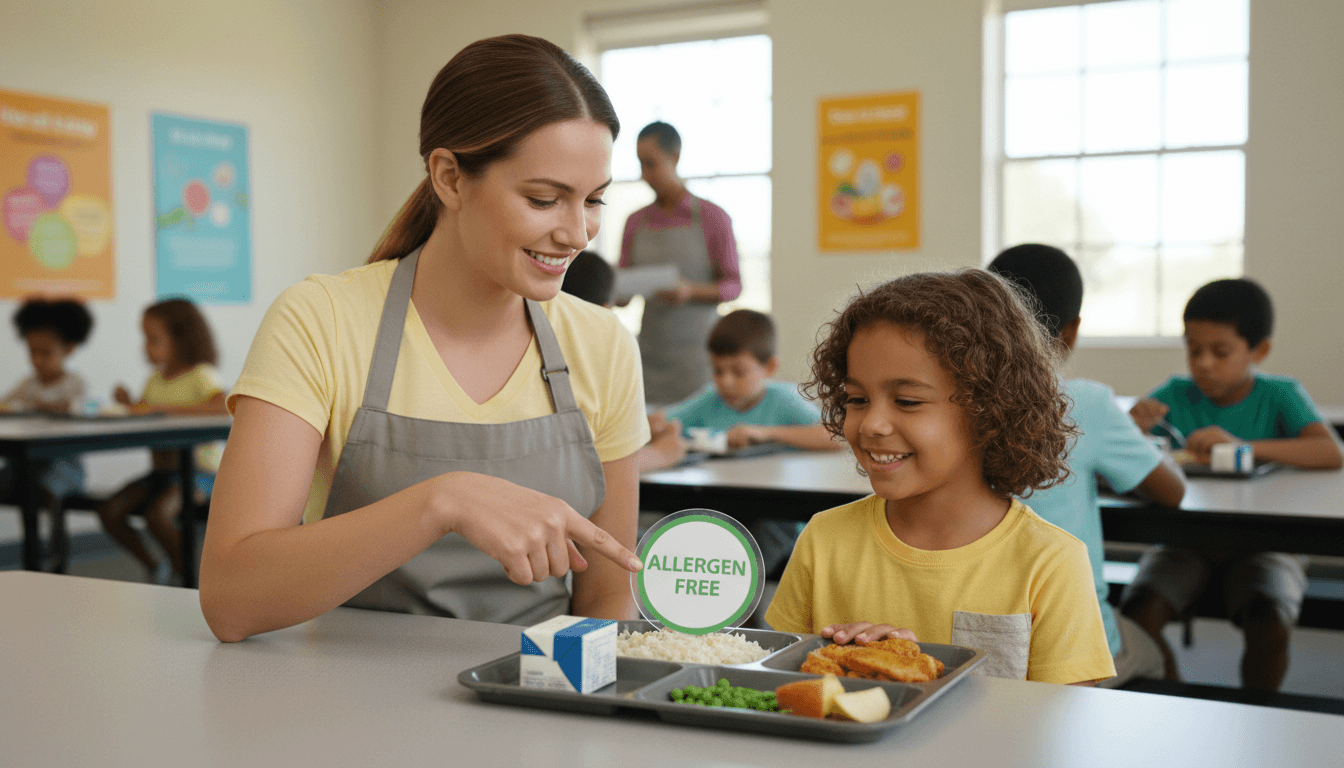
State the policy specifically: "This classroom is nut-free. Please do not send any food containing peanuts, tree nuts, or products made in facilities that process nuts." Then explain where to look for this information on product packaging.
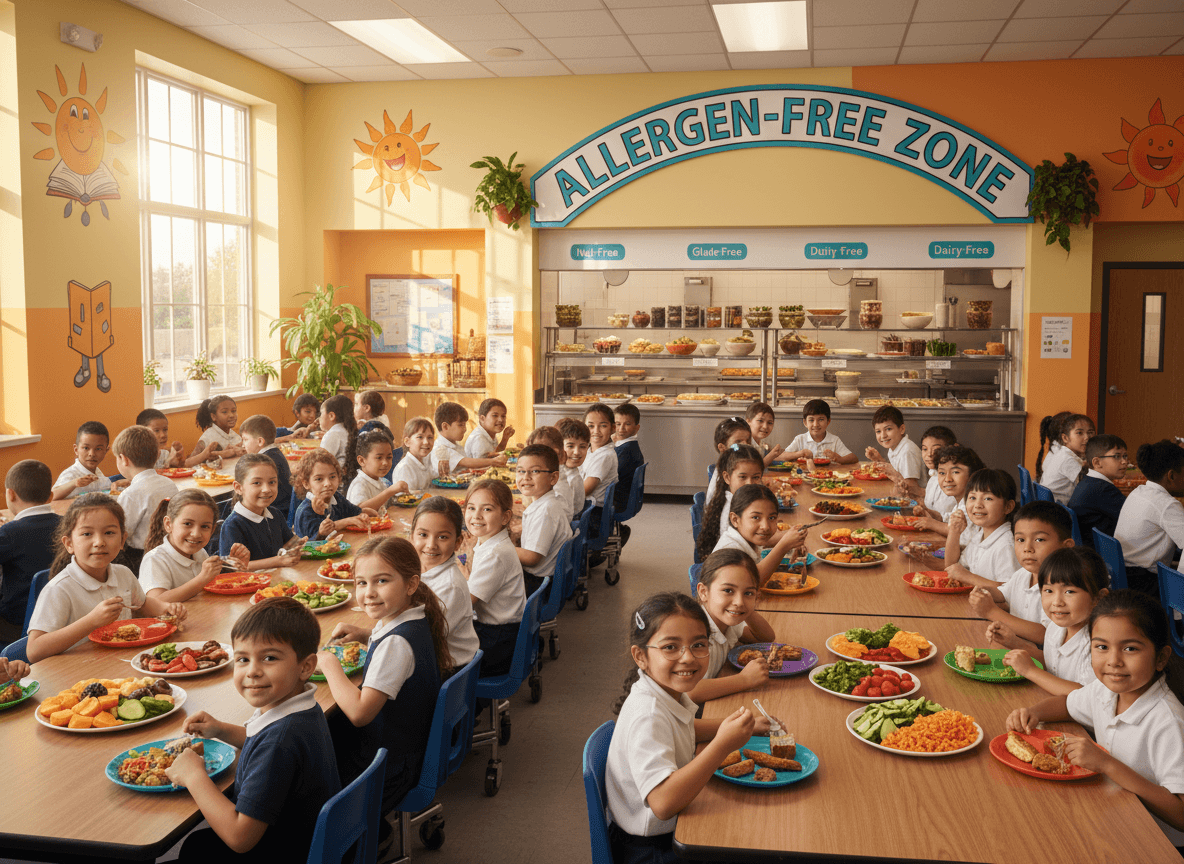
If the policy is allergen-aware rather than fully allergen-free (a meaningful distinction), explain the difference. An allergen-aware policy asks families to avoid sending foods containing a specific allergen as a listed ingredient. A nut-free policy goes further and addresses cross-contamination risk. Parents need to know which standard they are working to.
Birthday treat guidelines
Birthday treats are one of the most frequent points of friction in food allergy communication. A parent who brings in cupcakes without thinking through allergens, and then watches a child at the party unable to participate, causes social harm that is entirely avoidable.
A birthday treat section in your classroom newsletter should cover three things: what is allowed (store-bought items with visible ingredient labels, non-food alternatives like pencils or stickers), what needs advance notice (parents who want to bring homemade items or need more specific guidance), and how the school handles the situation when a treat cannot be shared with all students.
Many schools now recommend non-food celebrations as the default, not because food is inherently problematic but because it removes the allergen calculation entirely. If your school takes this approach, explain it in terms of inclusion rather than restriction. "We celebrate birthdays in ways that every student can participate in" lands better than a list of what is not allowed.
Field trip food rules and advance notice
Field trips create food allergy risk because students are outside the familiar school environment, often eating lunches brought from home in proximity to students with severe allergies, and sometimes encountering food at destination sites that did not come from home.
Field trip newsletters should remind families of any food restrictions for the group, note whether food is provided at the destination and what options are available for students with restrictions, and give families with allergic students a clear point of contact to discuss specific accommodations.
Do this in advance of the trip, not the day before. Families who need to prepare alternative lunches or communicate with their child's doctor need lead time.
How to communicate allergy information class-wide without naming children
The student's name and specific allergens are private health information protected under FERPA. Sharing them in a class-wide newsletter, even with good intentions, is a compliance issue and creates social risk for the student.
The correct framing: "We have students in our classroom with serious food allergies. To keep all students safe, our classroom is [nut-free / dairy-aware / etc.]." The policy follows from the existence of allergies in the class. The child's name is never part of the communication.
This framing also reduces the social burden on the allergic child. When a policy is explained in terms of community care rather than individual accommodation, it is less likely to generate resentment toward the specific child, who peers would otherwise identify as the reason for the restriction.
EpiPen policy: what families need to know
Families of students without allergies often do not think about EpiPens until a situation arises. A brief, matter-of-fact explanation of the school's EpiPen policy in your health newsletter removes the mystery and reduces alarm if a student ever needs to use one.
Cover the basics: whether the school maintains a stock epinephrine supply and where, who is trained to administer it, and what happens when one is used (emergency services are called, parent is notified). Do not include details about specific students.
If your school asks families of allergic students to provide a school epinephrine supply, this communication goes directly and privately to those families, not class-wide.
Setting a tone of shared responsibility
Food allergy newsletters that frame safety as a shared community responsibility generate better compliance than newsletters that read like rules from above. Phrases like "together we keep our classroom safe for every student" connect the policy to a shared value rather than presenting it as an imposition.
Daystage's newsletter builder makes it easy to create food allergy policy sections that are clear and on-brand, and to reuse them across the school year as reminders before events where food is involved. One well-written allergy communication block, reused before every party, field trip, and holiday celebration, keeps the policy visible without requiring a new letter each time.
Get one newsletter idea every week.
Free. For teachers. No spam.
Frequently asked questions
When should schools communicate food allergy policies to families?
Food allergy communication should go out at the start of the school year before any food is shared in the classroom, and again before any event involving food: birthday parties, field trips, and holiday celebrations. One annual policy statement is not enough if food situations come up repeatedly across the year.
What should a school food allergy newsletter include?
The newsletter needs the specific allergen restriction (not just 'please be mindful' but 'this classroom is nut-free, including products made in facilities that process nuts'), the birthday treat policy with clear alternatives, and the field trip food protocol. FERPA prohibits naming individual students, so the policy should be framed in terms of community safety rather than individual accommodation.
How should schools communicate allergy policies without naming individual students?
The correct framing is: 'We have students in our classroom with serious food allergies. To keep all students safe, our classroom is nut-free.' The policy follows from the allergy without identifying the child. This framing also reduces the social burden on the allergic student by positioning the restriction as a community norm rather than a personal accommodation.
What are common mistakes in school food allergy communication?
Vagueness is the most common problem. A policy that says 'please be mindful of allergies' is not a policy. It is a suggestion that families interpret inconsistently. A second mistake is conflating allergen-aware and allergen-free policies, which have different standards and require different label-reading from families. A third is waiting for an incident to communicate the policy rather than setting it at the start of the year.
How can schools manage recurring food allergy communication across the year?
Daystage's newsletter builder makes it easy to create a food allergy policy block once and reuse it before every event where food is involved. A well-written allergy communication block, sent before each party, field trip, and holiday celebration, keeps the policy visible without requiring a new letter each time.

Adi Ackerman
Author
Adi Ackerman is a former classroom teacher and curriculum writer with 8 years in K-8 schools. She writes about school communication, parent engagement, and what actually works in real classrooms.
More for Health & Wellness
School Sleep Newsletter: How to Talk to Families About the Sleep Crisis in Kids
Health & Wellness · 7 min read
Student Body Image Newsletter: How Schools Can Support Positive Body Image at Home and School
Health & Wellness · 6 min read
School Counselor Newsletter: How to Communicate Services, Availability, and Support to Families
Health & Wellness · 6 min read
Ready to send your first newsletter?
3 newsletters free. No credit card. First one ready in under 5 minutes.
Get started free