Blog /
Family Engagement Events
Newsletter guides for planning and promoting family engagement events, open houses, and community nights
A family engagement event newsletter is really doing two jobs: informing and persuading. Families have limited time and many competing demands. A newsletter that only states when an event is does not answer the question families are actually asking: is this worth rearranging my schedule? The articles here address both jobs. You will find guides for writing event communication that makes the purpose feel worthwhile, for handling RSVPs in a way that actually reflects attendance, for communicating about events that require childcare or have language access barriers, and for following up after an event in a way that makes families who could not attend feel included.
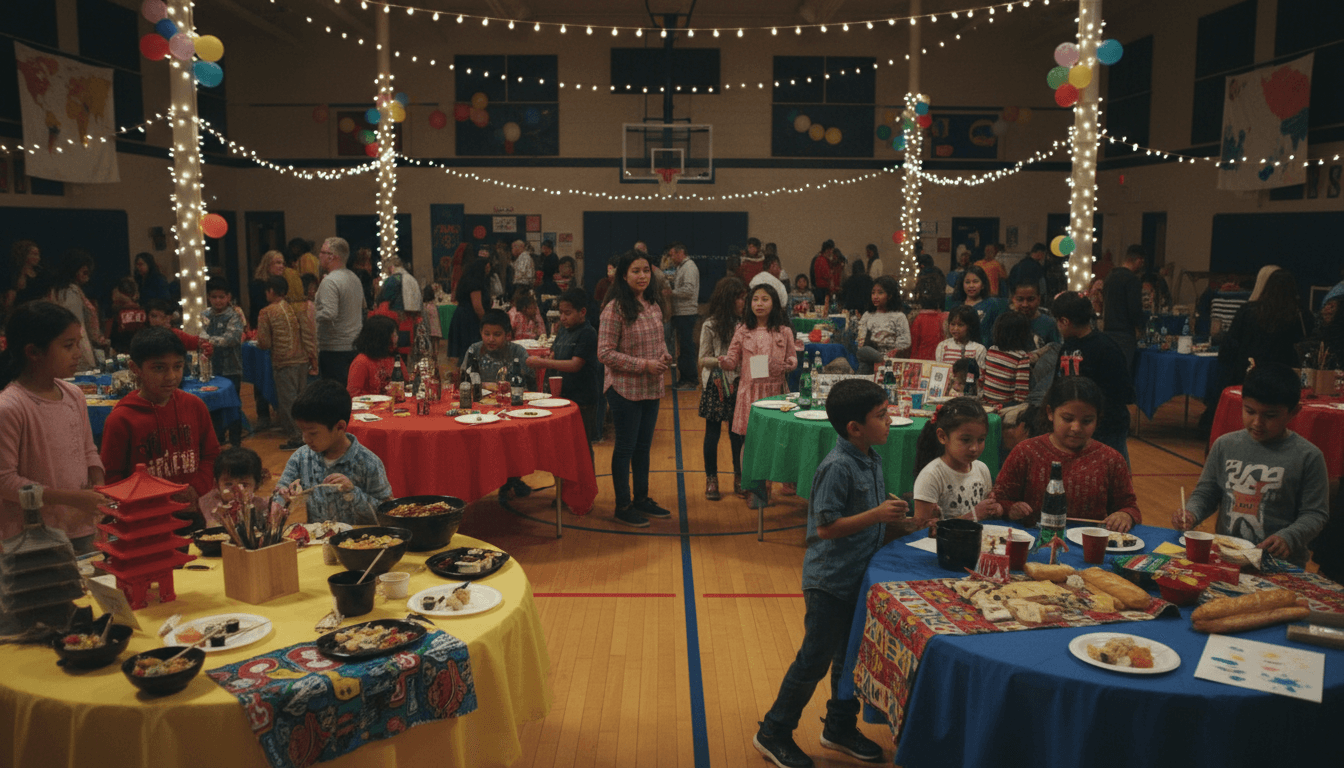
Multicultural Night Newsletter: Inviting Every Family Without the Awkwardness
How to write a multicultural night newsletter that invites every family without tokenizing, with timing, sample copy, and tone guidance for K-12 schools.

School Open House Newsletter: A Template Schools Reuse Every Year
A reusable school open house newsletter template with timing, tone, and section-by-section guidance for principals and PTA leads who plan annually.
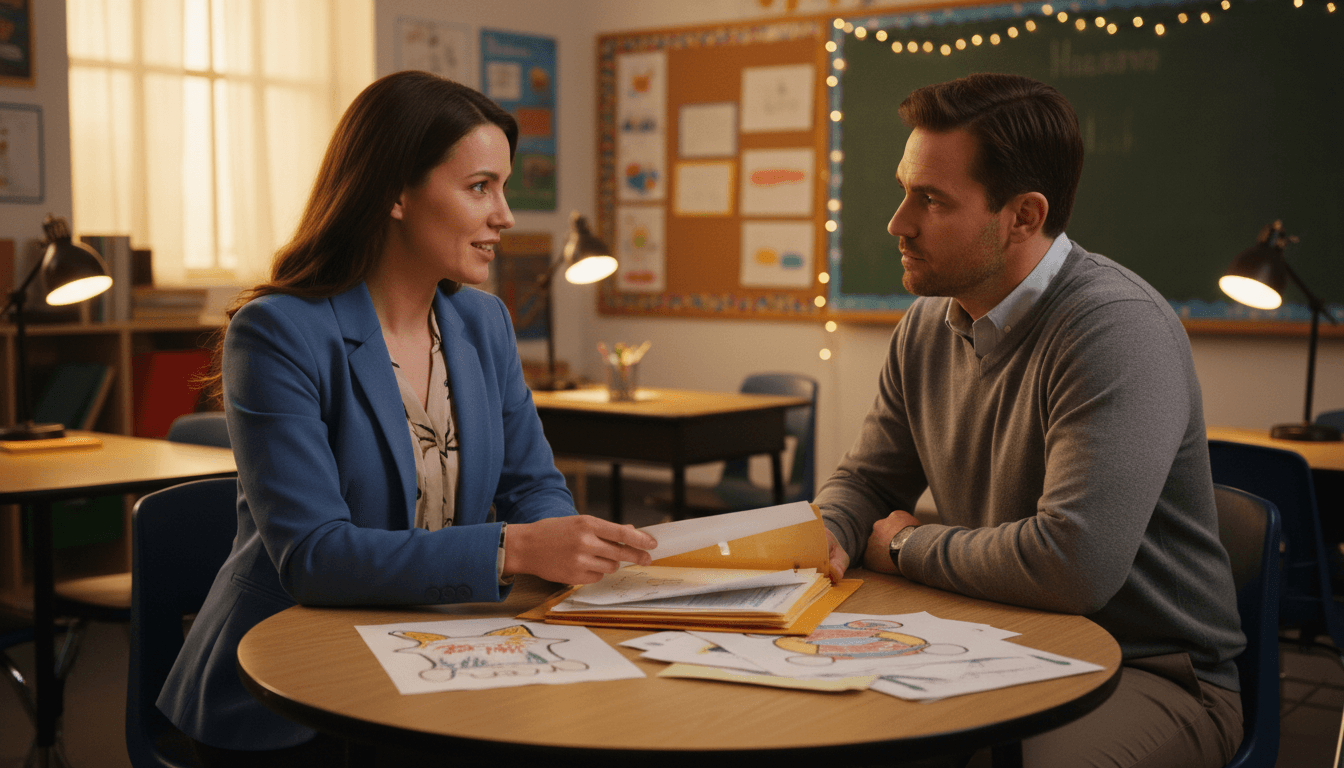
Parent Teacher Conference Newsletter: What to Send Before, During, and After
A three-part parent teacher conference newsletter playbook for principals and teachers, with sign-up timing, sample copy, and follow-up templates.
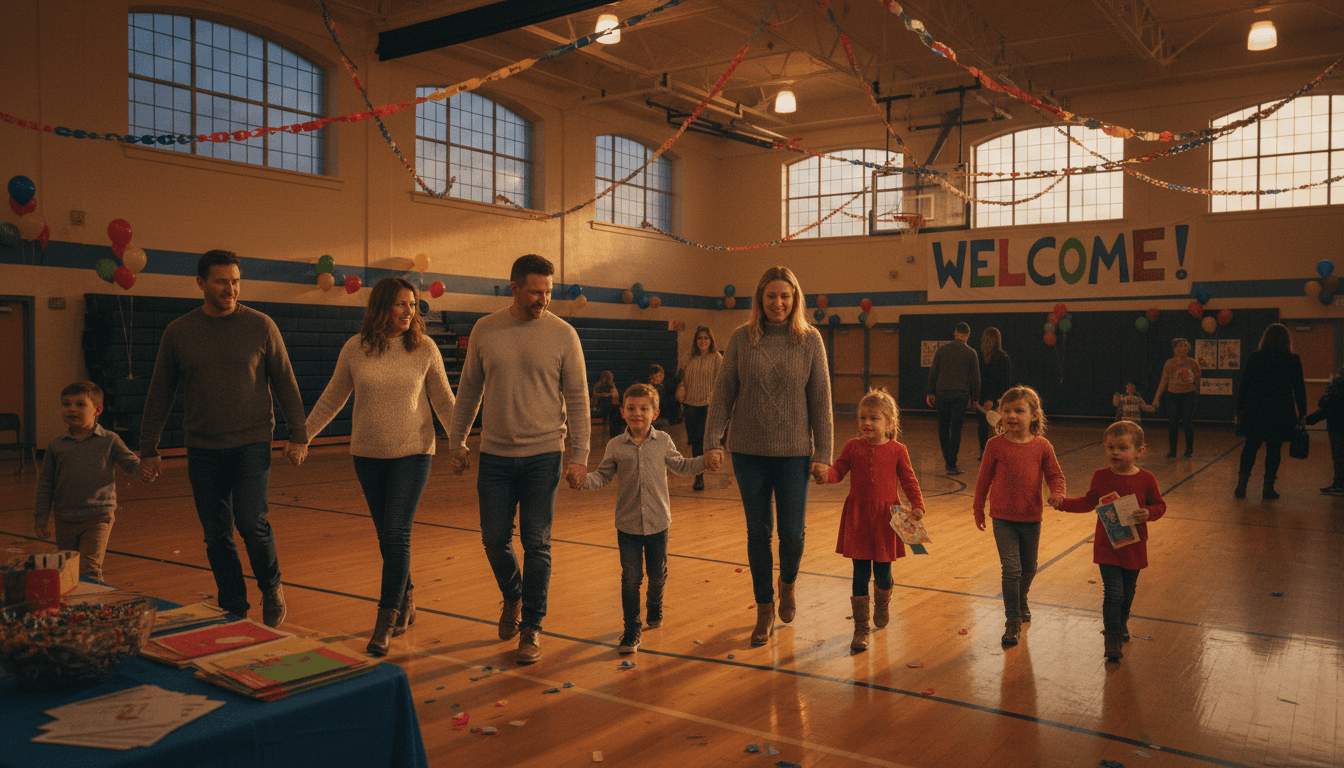
Family Engagement Event Newsletter: Getting Parents to Show Up
A practical guide for principals and family engagement coordinators on writing event newsletters that actually move attendance, with examples and timing.
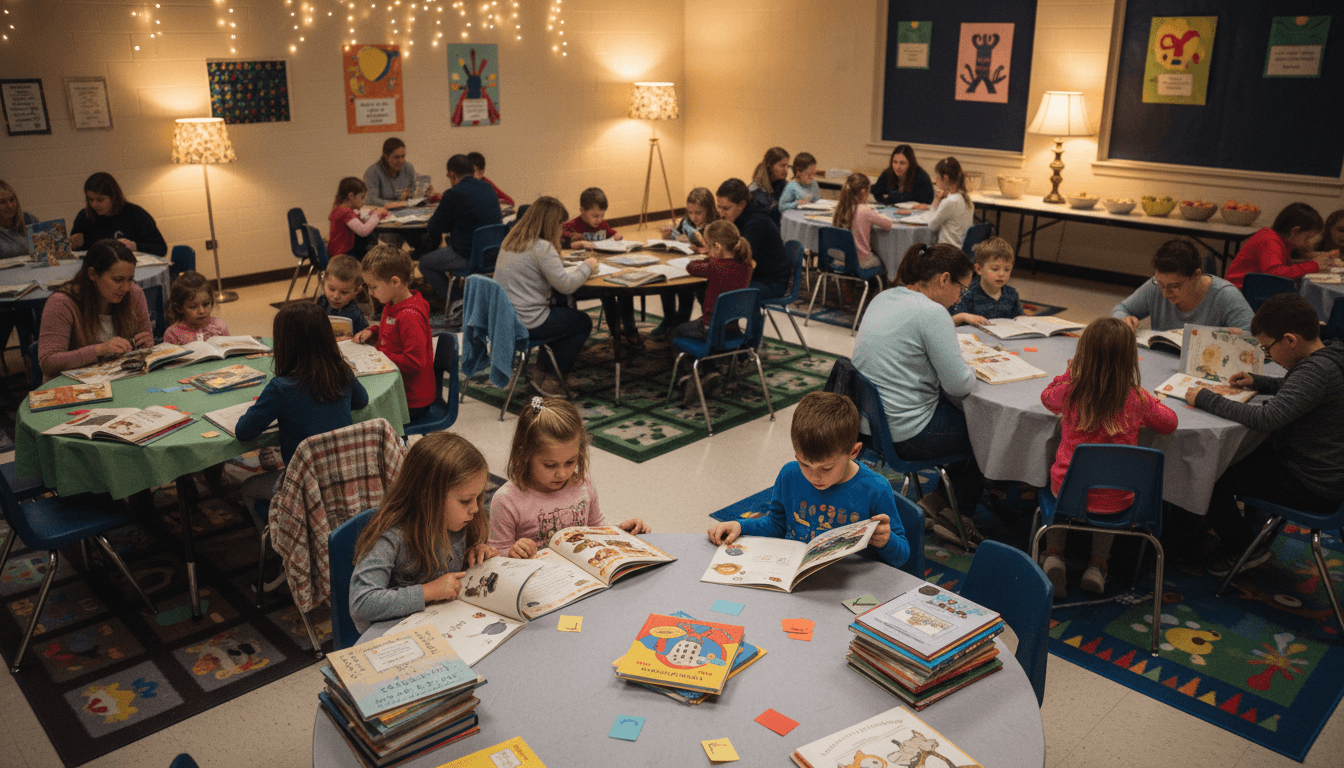
Family Literacy Night Newsletter: How to Drive Real Attendance
How to write a family literacy night newsletter that fills the cafeteria, with subject lines, sample copy, and timing for K-5 schools and Title I families.
Common questions
What should a family engagement event newsletter include?
What will happen, what families will be doing rather than just watching, what their child will gain from their attendance, and a specific RSVP mechanism. Events where families do something together have higher attendance than events where families watch their child perform. Communicate the active element.
How far in advance should I send a family event newsletter?
Three to four weeks is the minimum for evening events that require schedule arrangement. One week for events that do not require planning. Always send a reminder 48 hours before. Families who RSVP'd yes need a reminder. Families who intended to RSVP need a prompt.
How do I communicate about a family event to parents who cannot attend due to work schedules?
Acknowledge it directly in the communication: "We know not all families can make a weekday evening event." Then tell them what you will share with families who could not attend: photos, a summary, a recording if available. Families who feel seen are less resentful of events they cannot reach.