
Multicultural Night Newsletter: Inviting Every Family Without the Awkwardness
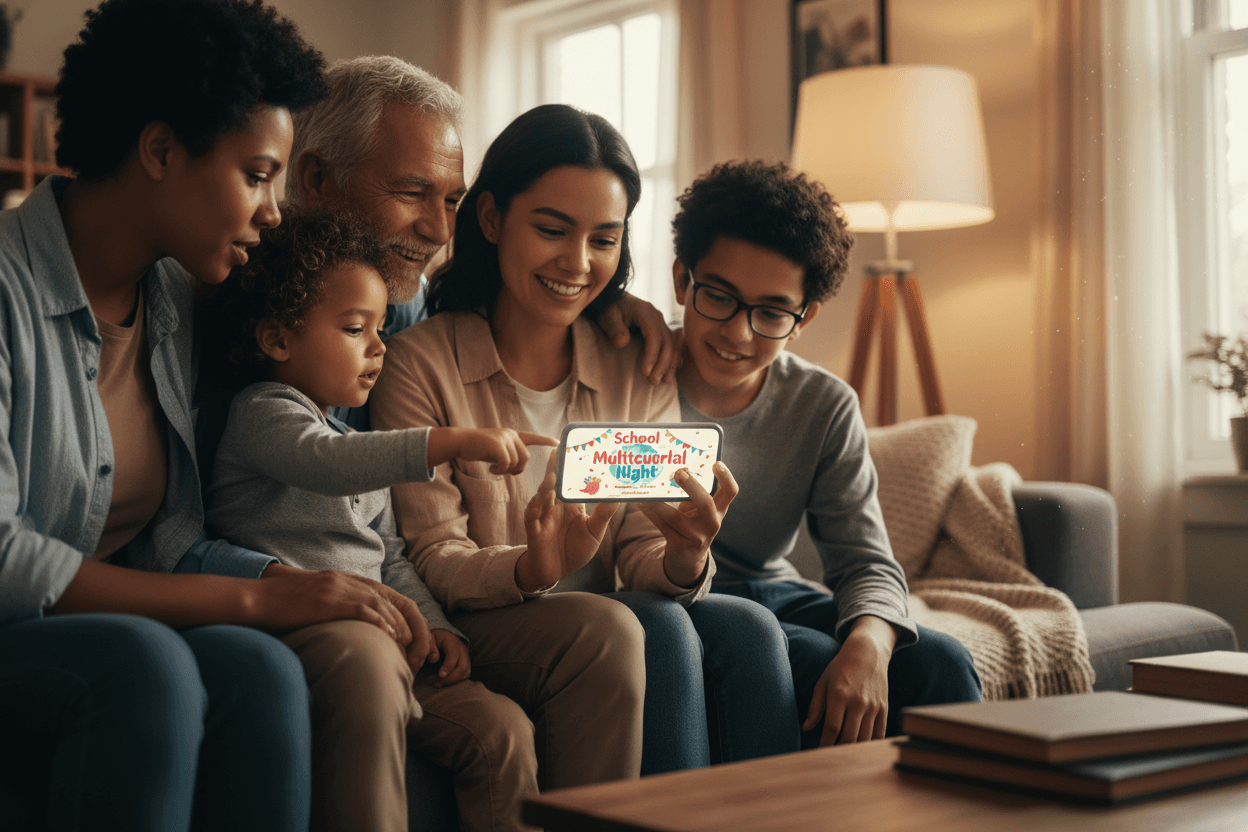
Multicultural night is one of the warmest events on the school calendar when it works, and one of the most awkward when it does not. The newsletter sets the tone. Get the framing right and you get a cafeteria full of families sharing food and stories. Get the framing wrong and you get either a thin turnout or a few families feeling like they were asked to perform their culture for everyone else. This guide is about getting the framing right.
Frame it as a meal, not a curriculum
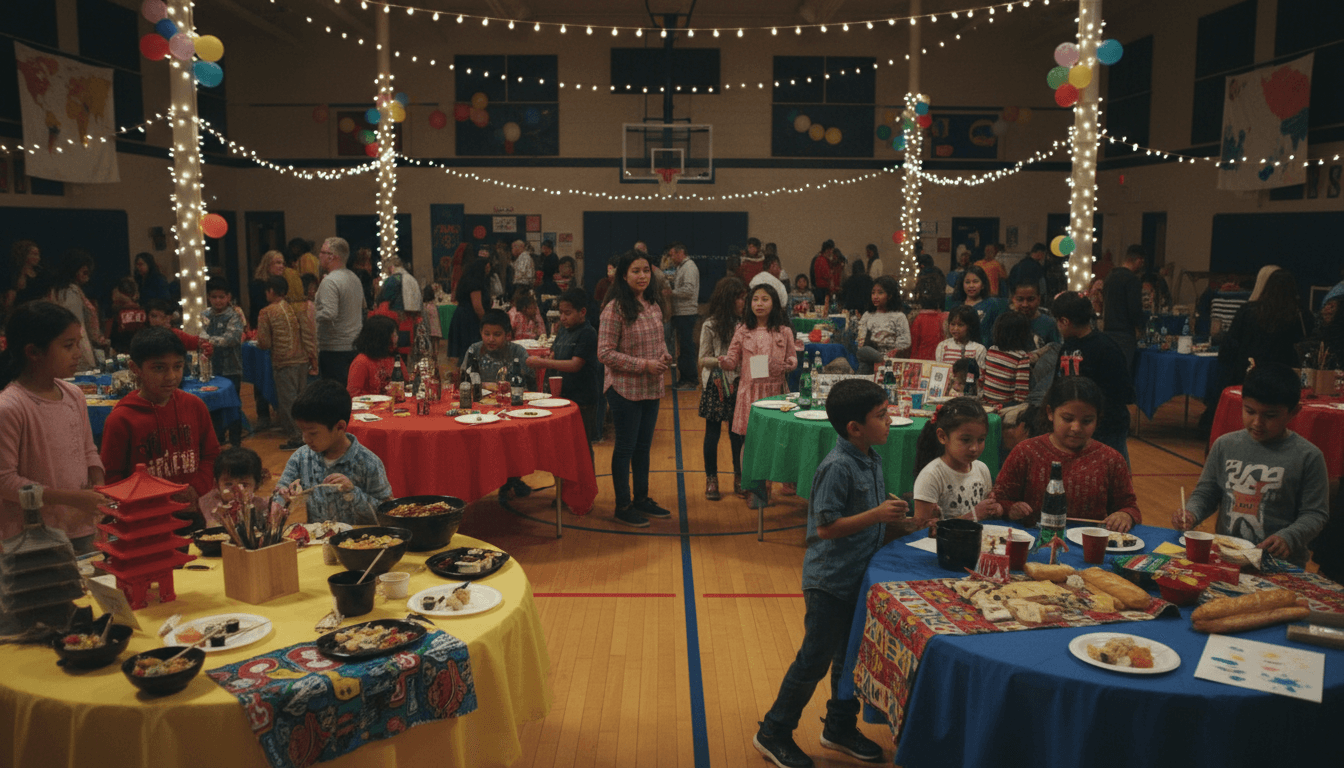
The strongest multicultural night newsletters do not lead with the word multicultural. They lead with the meal. "Friday October 25 from 6 to 8 pm, our cafeteria becomes the biggest dinner table in the neighborhood. Families bring a dish if they want to, the school provides plenty more, and we eat together." That sentence is warmer than any institutional framing and does not put any family in the position of representing.
Make contributions truly optional
Be explicit in the newsletter that bringing a dish is optional. "Come empty-handed and you will not stand out. The school is providing enough food for everyone, and we have a snack table that is always full." Families who have just moved, families with multiple jobs, and families who do not feel comfortable cooking for a crowd all need to hear this. Without that line, attendance drops among exactly the families you most want there.
Sample paragraph for the body
Here is a working body. "Friday October 25, 6 to 8 pm, in the cafeteria. Bring a dish from your kitchen if you would like to share one (label it with a card we will provide so families know what is in it). The school is also providing pizza, salad, and a full dessert table, so come hungry whether or not you bring food. Kids will rotate between food, music, and a story corner where any family who wants to can share a five-minute story or song. There is no pressure to perform, and our youngest students will love just being there."
Performance is opt-in, never assigned
If your event includes music, dance, or storytelling, make sign-up open and clearly optional in the newsletter. "If you would like to share a song, a dance, or a story from your family's tradition, sign up here. We have ten slots of five minutes each. No pressure if you would rather just watch, eat, and enjoy." That language matters. It prevents the moment where a teacher asks a parent to "represent" their country in front of the gym. That moment is the difference between a warm event and an awkward one.
Send the invite in families' first languages
Multicultural night is the one event where translation effort pays back the most. A clean Spanish-only newsletter signed by a Spanish speaking staff member, sent to Spanish-speaking families, will outperform a stacked-translation email by a wide margin. Same for Mandarin, Vietnamese, Arabic, or whatever languages your community speaks. The signal is "we wrote this for you", not "we translated this for you".
Logistics, plain and short
Where to park, where to enter, where to drop off a dish, whether younger siblings are welcome (yes, always say yes), and what time things end. Multicultural night runs long if you let it, and parents with young kids need to know the end time. "We close the doors at 8 pm so we can clean up and get everyone home for bedtime."
The teacher voice in the email
Include one paragraph from a teacher or family engagement coordinator who is helping run the event. "I have been teaching at Lincoln for eight years and this is hands down my favorite night of the school year. The hallways smell incredible, kids are running between tables, and parents who have never met before end up trading recipes. Come hungry." That paragraph signals warmth in a way the institutional copy cannot.
Follow up with photos
Send a thank-you email the next morning with five or six photos of kids and families enjoying the event. No captions naming countries or cultures. Just kids eating, parents laughing, the gym full. That recap email primes attendance for next year more than any pre-event marketing.
How Daystage helps with multicultural night newsletters
Daystage gives you a mobile-friendly newsletter template you can translate and send in multiple languages from one workflow. Segment by home language, send the same warm invite from a staff member who speaks that language, and reuse the template year over year by swapping the date and the principal note. The follow-up photo email is a duplicate of the invite with the photos dropped in.
Get one newsletter idea every week.
Free. For teachers. No spam.
Frequently asked questions
How do you avoid making multicultural night feel like a tokenizing event?
Frame the newsletter around what families bring, not what the school is putting on display. The school is hosting, not curating. Families share food, music, or a story from their background if they want to, and there is no pressure to perform. The newsletter language should reflect that. 'Bring a dish if you would like, or just come hungry' beats 'sign up to represent your culture'.
Should every family be asked to bring something?
No. Asking every family to bring something turns the event into homework, especially for working parents and families who have moved recently. Make contributions optional and abundant. Provide enough school-supplied food that no family who shows up empty-handed feels uncomfortable. The point is community, not catering.
How do you describe the event without listing cultures or countries?
Talk about what happens in the room: food, music, stories, kids running between tables. 'Come share a meal with our school community and try foods from a dozen kitchens around the building' is warmer than 'celebrate the diverse cultures represented at Lincoln Elementary'. Specific and grounded beats abstract and institutional every time.
Should the newsletter be translated?
Yes. Send a separate email per language to the families who speak that language at home, signed by a staff member who speaks that language if you have one. For multicultural night especially, sending the invite in a family's first language is the strongest possible signal that the event is for them. Stacked translations in one email do not carry the same weight.
How do you collect dish sign-ups without making it feel transactional?
Use a simple Google Form or a soft link in the newsletter ('let us know if you are bringing a dish so we can plan'). No required fields beyond name and a yes-or-no. Daystage was built for school newsletters and lets you embed sign-up links cleanly without making the email feel like a logistics document.

Adi Ackerman
Author
Adi Ackerman is a former classroom teacher and curriculum writer with 8 years in K-8 schools. She writes about school communication, parent engagement, and what actually works in real classrooms.
More for Family Engagement Events
Family Literacy Night Newsletter: How to Drive Real Attendance
Family Engagement Events · 6 min read
School Open House Newsletter: A Template Schools Reuse Every Year
Family Engagement Events · 6 min read
Parent Teacher Conference Newsletter: What to Send Before, During, and After
Family Engagement Events · 6 min read
Ready to send your first newsletter?
3 newsletters free. No credit card. First one ready in under 5 minutes.
Get started free