
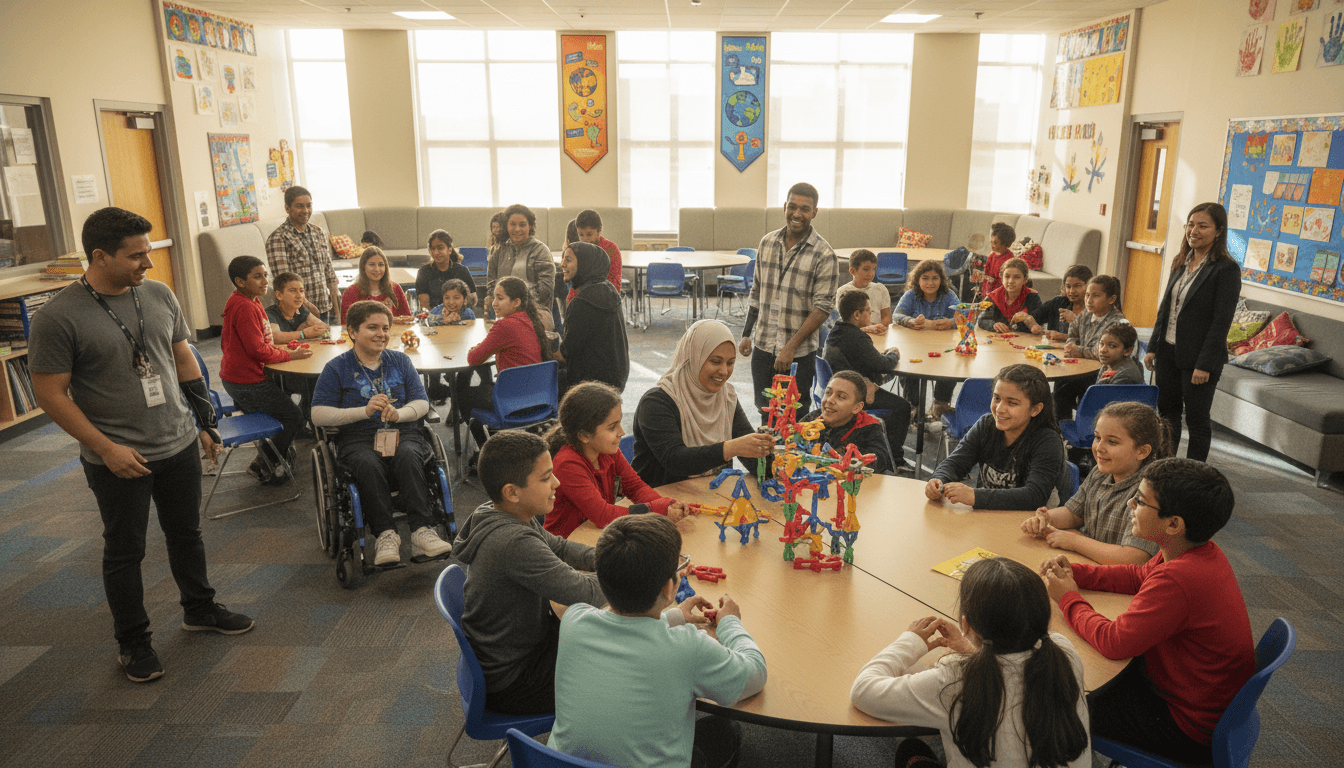
Diverse Curriculum Newsletter: Communicating Inclusive Curriculum Choices and Their Purpose to School Families
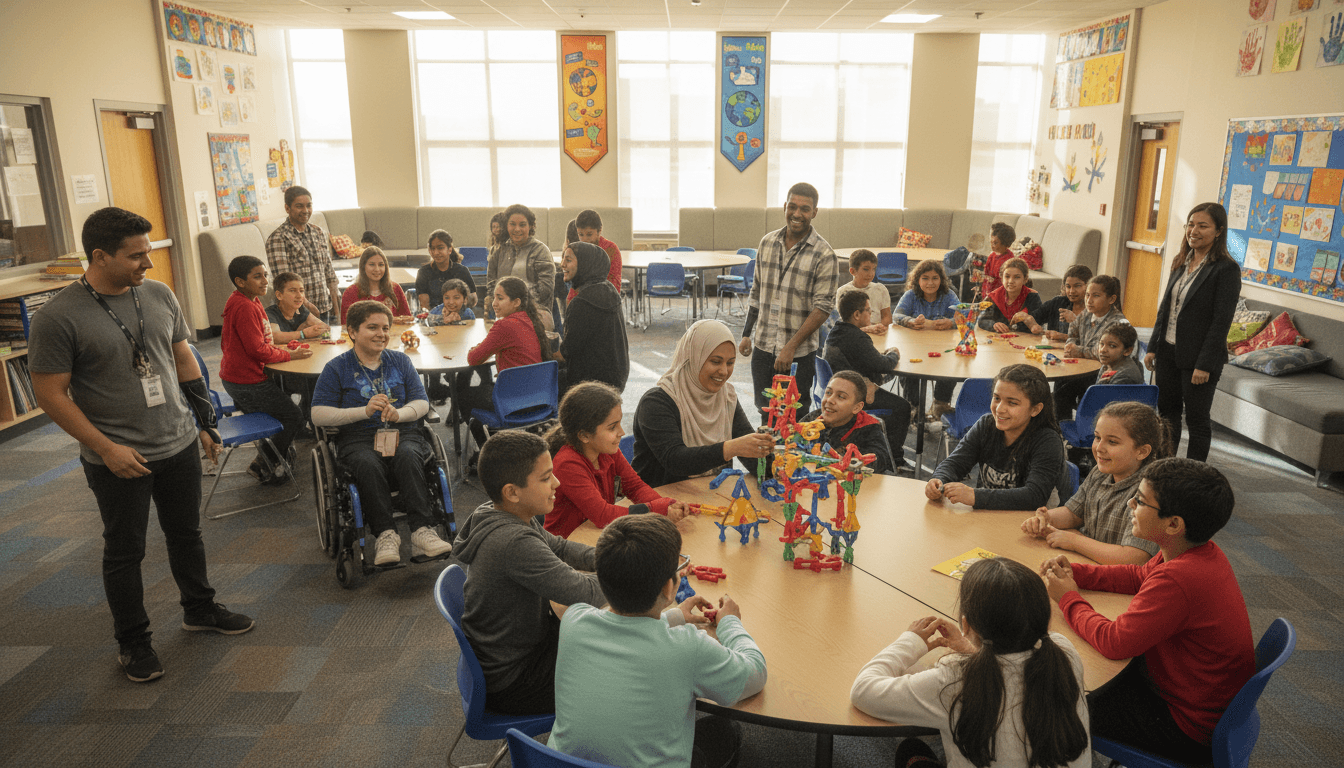
Curriculum diversity is not a special addition to the core curriculum. It is the core curriculum done well. Students who encounter a wide range of perspectives, authors, historical narratives, and cultural contexts in their learning develop stronger critical thinking, more sophisticated empathy, and better preparation for a world that is genuinely diverse. A newsletter that communicates curriculum choices with this frame builds understanding among families who might otherwise see diversity as an addition rather than an integral dimension of strong education.
This guide covers what to include in a diverse curriculum newsletter, how to explain curriculum decisions in language that builds support across a diverse family community, and how to invite families to contribute to the curriculum conversation.
Explaining curriculum choices and their academic rationale
Every diverse curriculum choice deserves an explanation that connects it to specific learning goals. "We are reading The House on Mango Street by Sandra Cisneros in eighth grade because it is a masterwork of connected vignette structure, a form students rarely encounter. It also gives our students who come from immigrant or working-class backgrounds a text that reflects their experience, and it gives students who do not share that experience a window into a world they would not otherwise access through literature." That explanation is specific, academic, and inclusive without being defensive.
What diverse curriculum means for all students
Diverse curriculum benefits every student, not just students from underrepresented groups. Research on perspective-taking and empathy development consistently shows that students who encounter diverse characters, experiences, and viewpoints in their reading and learning develop stronger social cognition and better communication skills. A newsletter that explains this universal benefit reaches families who might otherwise assume that diverse curriculum is only relevant to some students.
Communicating book selection processes
One of the most effective ways to build family trust around curriculum diversity is to communicate transparently about the selection process. A newsletter that describes the criteria used to select classroom texts, the review process books go through, and how age-appropriateness is evaluated gives families insight into a process that is otherwise invisible. Families who understand that curriculum decisions are made thoughtfully by educators are less likely to challenge individual titles based on surface-level objections.
Inviting family contributions to curriculum diversity
Families in any school community bring rich cultural expertise and perspective that can strengthen the curriculum. A newsletter that explicitly invites family contributions, whether book recommendations, guest presentations on cultural traditions, or expertise in a field the school is studying, treats families as partners in the educational enterprise rather than as passive recipients of curriculum decisions.
Heritage Month curriculum communication
Heritage month newsletters should cover curriculum activities in enough detail that families understand what students are learning and how it connects to the broader curriculum. A February newsletter that describes a specific project on the Civil Rights Movement, including the primary sources students are reading and the argument they are developing, communicates more than a general note that the school is observing Black History Month. Specificity honors the heritage and the learning simultaneously.
Using Daystage for diverse curriculum newsletters
Daystage supports the consistent monthly communication that makes diverse curriculum visible across the full school year. Build your curriculum newsletter template to include a content section covering what students are studying, a diversity context section explaining the perspectives and backgrounds represented, and a family engagement section with one thing families can do at home. Send to your full school community subscriber list. Consistent communication about diverse curriculum normalizes it as a standard of quality, not a special initiative.
Get one newsletter idea every week.
Free. For teachers. No spam.
Frequently asked questions
What should a diverse curriculum newsletter include?
Cover specific curriculum choices and the learning goals they serve, how diverse texts and perspectives strengthen academic skills for all students, what families can do at home to extend diverse curriculum learning, and how families can contribute their own cultural expertise to the classroom. Curriculum communication that explains purpose builds more understanding than curriculum communication that only describes content.
How do I explain diverse curriculum choices to families who question them?
Lead with academic outcomes. Students who encounter multiple perspectives in their reading and learning develop stronger critical thinking skills, more sophisticated argument construction, and better preparation for a diverse workforce. A diverse curriculum is not a political choice. It is a pedagogically stronger choice.
How do I address book challenges or curriculum concerns in a newsletter?
Communicate proactively before challenges arise. Describe your curriculum selection process, the criteria used, and how books are evaluated for age-appropriateness and academic value. Families who understand the selection process are less likely to challenge individual titles than families who receive no information about how curriculum decisions are made.
How often should a school send diverse curriculum newsletters?
A curriculum newsletter that covers what students are reading and studying each month is valuable year-round. Include diverse curriculum content as a regular element rather than as a special feature during Heritage Months. When diversity is integrated into regular communication, it signals that it is integrated into regular curriculum.
How does Daystage support curriculum communication for a school with diverse enrollment?
Daystage lets you send curriculum newsletters to all families at once with options for translated versions. When curriculum communication reaches families across language backgrounds simultaneously, it builds a shared understanding of the school's educational approach regardless of family background or language.

Adi Ackerman
Author
Adi Ackerman is a former classroom teacher and curriculum writer with 8 years in K-8 schools. She writes about school communication, parent engagement, and what actually works in real classrooms.
More for Diversity & Equity
Family Engagement Equity Newsletter: Reaching and Including Families Who Are Most Often Left Out
Diversity & Equity · 6 min read
Intersectionality Newsletter: Communicating Complex Identity to School Families
Diversity & Equity · 6 min read
Restorative Justice Newsletter: Communicating Restorative Practices and Discipline Equity to School Families
Diversity & Equity · 6 min read
Ready to send your first newsletter?
3 newsletters free. No credit card. First one ready in under 5 minutes.
Get started free