
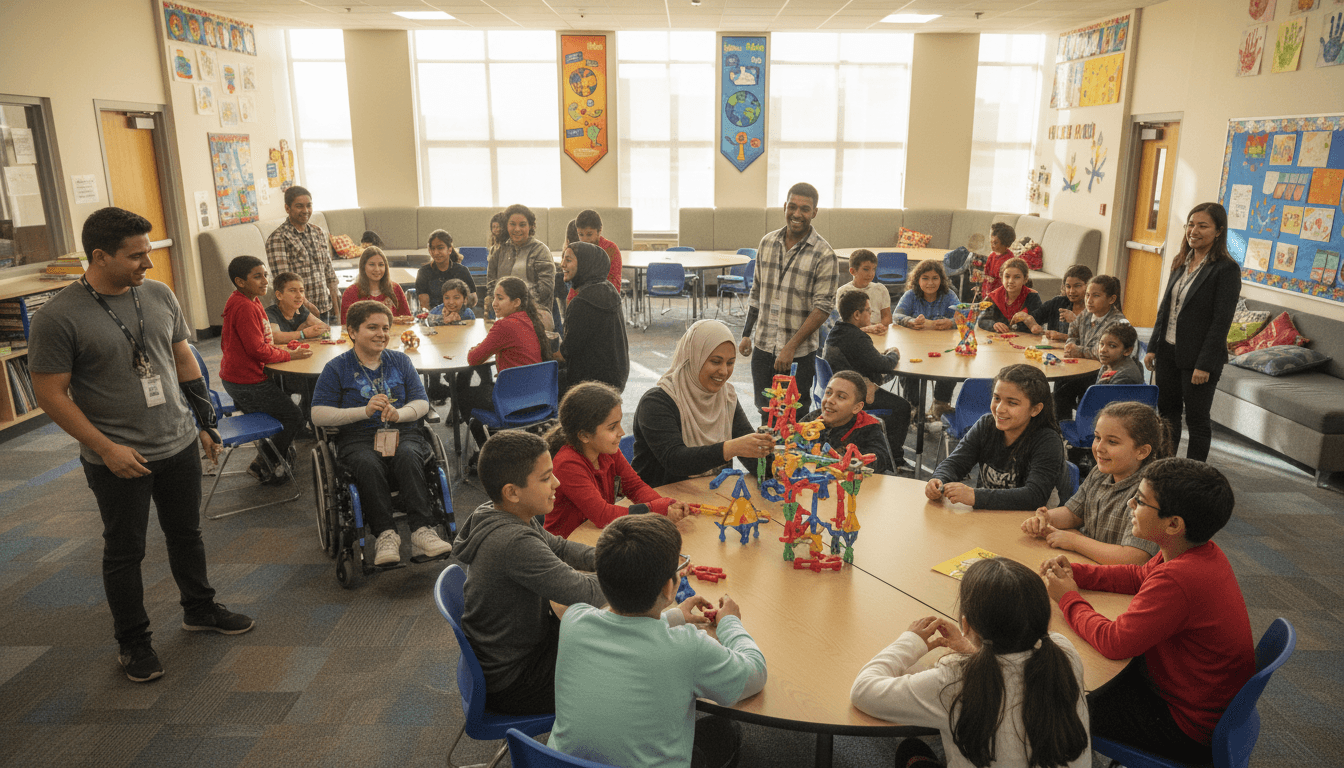
Restorative Justice Newsletter: Communicating Restorative Practices and Discipline Equity to School Families
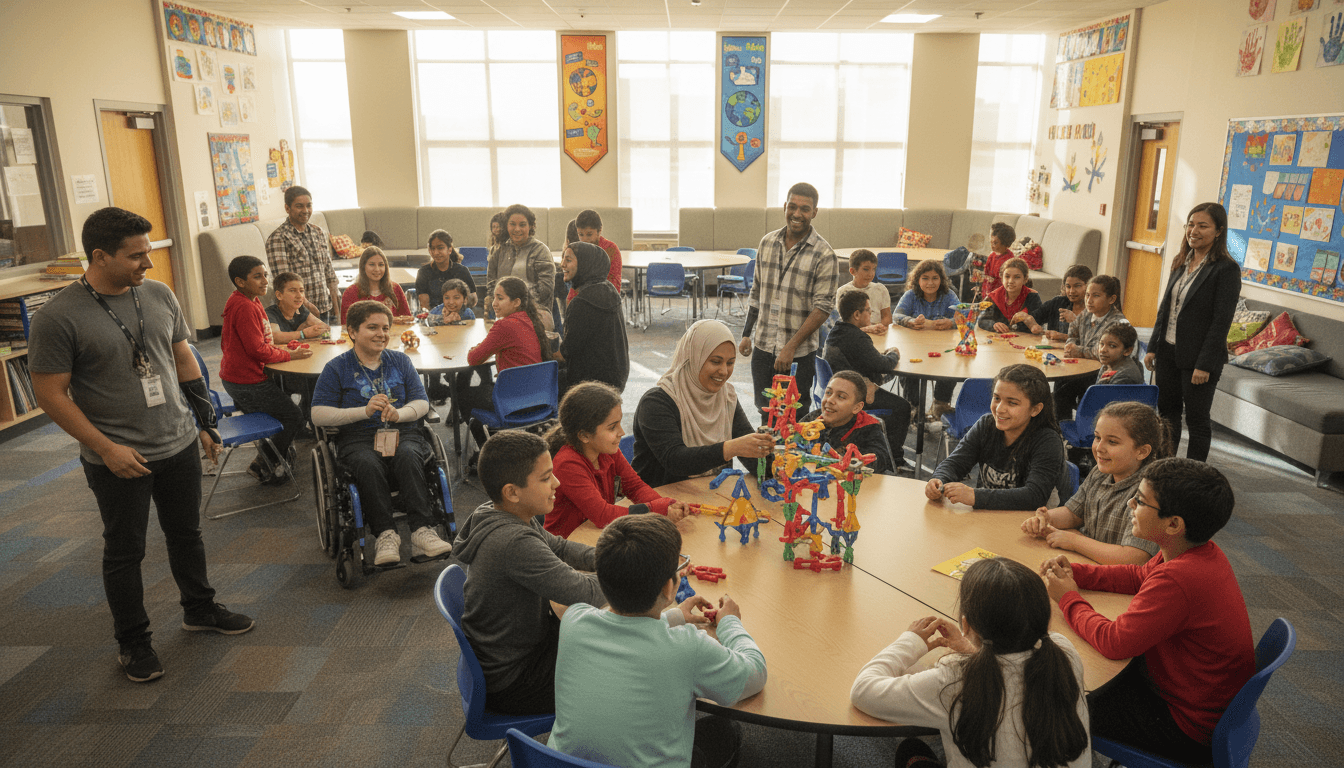
Restorative justice in schools is a fundamental shift in how communities respond to harm: from isolation and punishment to accountability and repair. It is also one of the most evidence-backed approaches to addressing racial disparities in school discipline, which disproportionately remove Black and Brown students from learning. A newsletter that communicates the restorative approach clearly, honestly, and consistently builds the community understanding that makes restorative practices work.
This guide covers what to include in a restorative justice newsletter, how to address skepticism about the approach, and how to share discipline equity data in a way that builds trust rather than defensiveness.
Explaining restorative practices through examples
Restorative practices are most clearly explained through examples rather than definitions. "When a student says something hurtful to a classmate, a restorative process involves the student sitting with the person they harmed, explaining what they did and why, hearing about the impact from the person they hurt, and working together on a plan to repair the relationship. This process takes more time and requires more from the student than a detention, and it produces better long-term outcomes." That explanation is honest about what the approach requires and credible about why it works.
Communicating the equity dimension of restorative discipline
Racial disparities in school discipline are well-documented nationally and present in most schools. A newsletter that presents your school's own suspension data by demographic, shows the trend over time, and describes how the restorative approach is reducing those disparities is doing the accountability work that equity requires. Families across the political and demographic spectrum respond to data about how their school is working to ensure every student has equal access to learning time.
Addressing safety concerns directly
Many families, particularly families of students who have been harmed, worry that restorative practices prioritize the needs of the person who caused harm over the needs of the person who was harmed. Address this directly. A newsletter that explains how harmed parties are centered in restorative processes, what voice and agency they have, and what commitments are made to their safety and wellbeing builds trust with families who have legitimate concerns about safety.
How families can support restorative practices at home
Restorative practices are most effective when families use similar approaches at home. A newsletter section on restorative conversation skills at home gives families practical language: asking "what happened?" and "what do you need to make it right?" rather than "what is wrong with you?" gives families tools that extend the school's restorative culture into home life. Most families find these approaches work as well at home as they do at school.
Building community buy-in for the restorative approach
Restorative practices require community buy-in to work. A newsletter that communicates the approach, the rationale, and the outcomes consistently across the year builds that buy-in over time. Families who understand why their school uses restorative practices are more supportive when their student is involved in a restorative process, whether as the person who caused harm or the person who was harmed.
Using Daystage for restorative justice newsletters
Daystage delivers consistent newsletters to your full school community, which is exactly what restorative practice communication requires. Build your template with sections for the approach explanation, discipline data, family guidance, and upcoming community events. Send monthly. The communities that most successfully implement restorative practices are the ones where the whole community understands what the school is doing and why.
Get one newsletter idea every week.
Free. For teachers. No spam.
Frequently asked questions
What should a restorative justice school newsletter include?
Cover what restorative practices are and how they differ from punitive discipline, what restorative approaches look like in your school specifically, discipline equity data and how the restorative approach is addressing it, and how families can support restorative conversations at home. Families who understand the approach are better partners when their student is involved in a restorative process.
How do I explain restorative justice to families who are skeptical of it as soft on discipline?
Focus on accountability, not leniency. Restorative practices require students to face the person they harmed, explain their actions, and participate in repairing the harm. That is a more demanding form of accountability than sitting in the office for a day. Lead with what the student is required to do, not with what they avoid.
How do I communicate discipline equity data in a restorative justice newsletter?
Present the racial disparities in suspension data clearly, explain what the research shows about the relationship between suspensions and long-term outcomes, and describe specifically how the restorative approach is reducing those disparities. Data with context and a response is accountable communication. Data without context is a complaint.
How should families respond if their child was harmed by another student?
A newsletter that addresses this directly is one of the most important equity and trust-building communications a school can send. Explain that restorative processes include the perspective and needs of harmed parties, that families of harmed students are included in the process, and that the goal is genuine repair, not minimizing what happened.
How does Daystage support restorative justice school newsletter communication?
Daystage delivers consistent newsletters to the full school community, which is important for restorative justice communication. Restorative practices work best when the whole community understands and supports them. A school that communicates about restorative practices only to families whose students are involved misses the community-building dimension of the approach.

Adi Ackerman
Author
Adi Ackerman is a former classroom teacher and curriculum writer with 8 years in K-8 schools. She writes about school communication, parent engagement, and what actually works in real classrooms.
More for Diversity & Equity
Indigenous Student Acknowledgment Newsletter: Supporting Native American Students and Families
Diversity & Equity · 6 min read
Representation in School Materials Newsletter: Communicating Curriculum Diversity to Families
Diversity & Equity · 6 min read
Culturally Responsive Newsletter Communication: Writing School Newsletters That Reach Every Family
Diversity & Equity · 6 min read
Ready to send your first newsletter?
3 newsletters free. No credit card. First one ready in under 5 minutes.
Get started free