
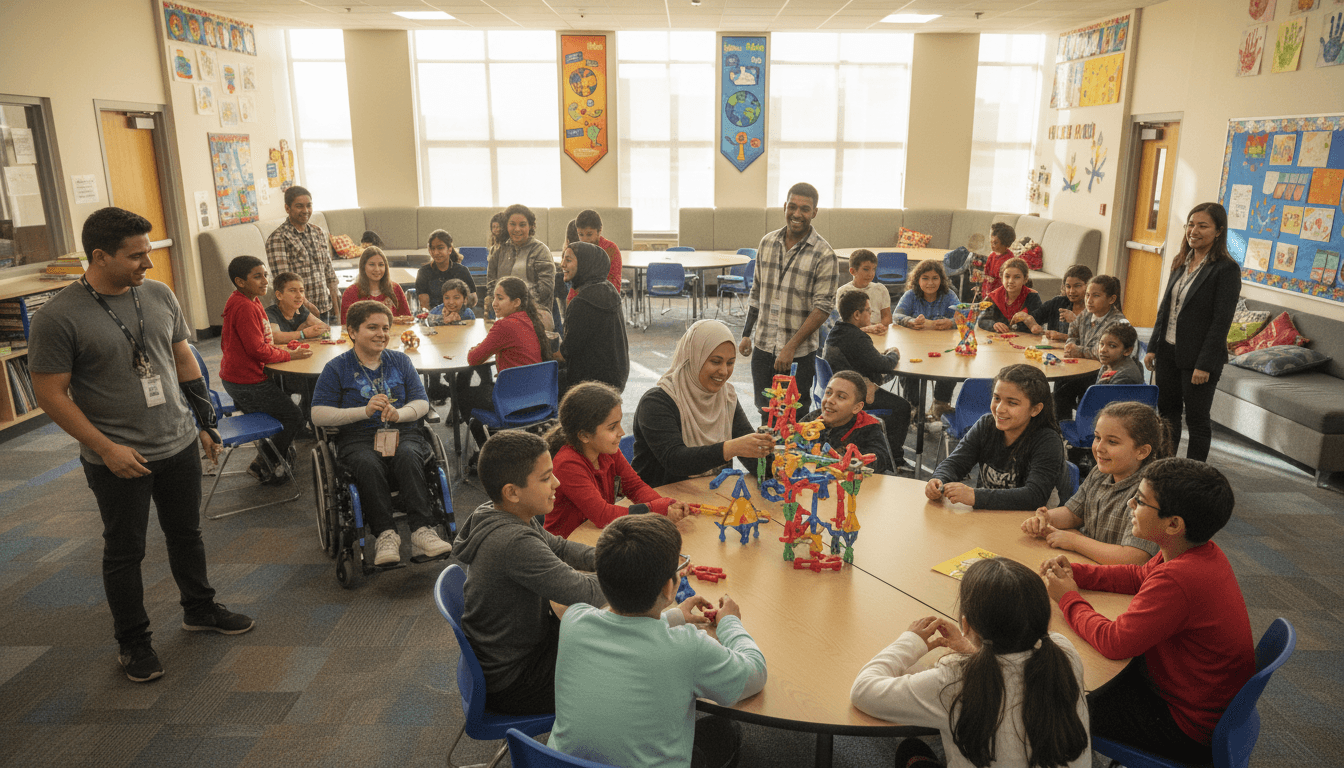
Intersectionality Newsletter: Communicating Complex Identity to School Families
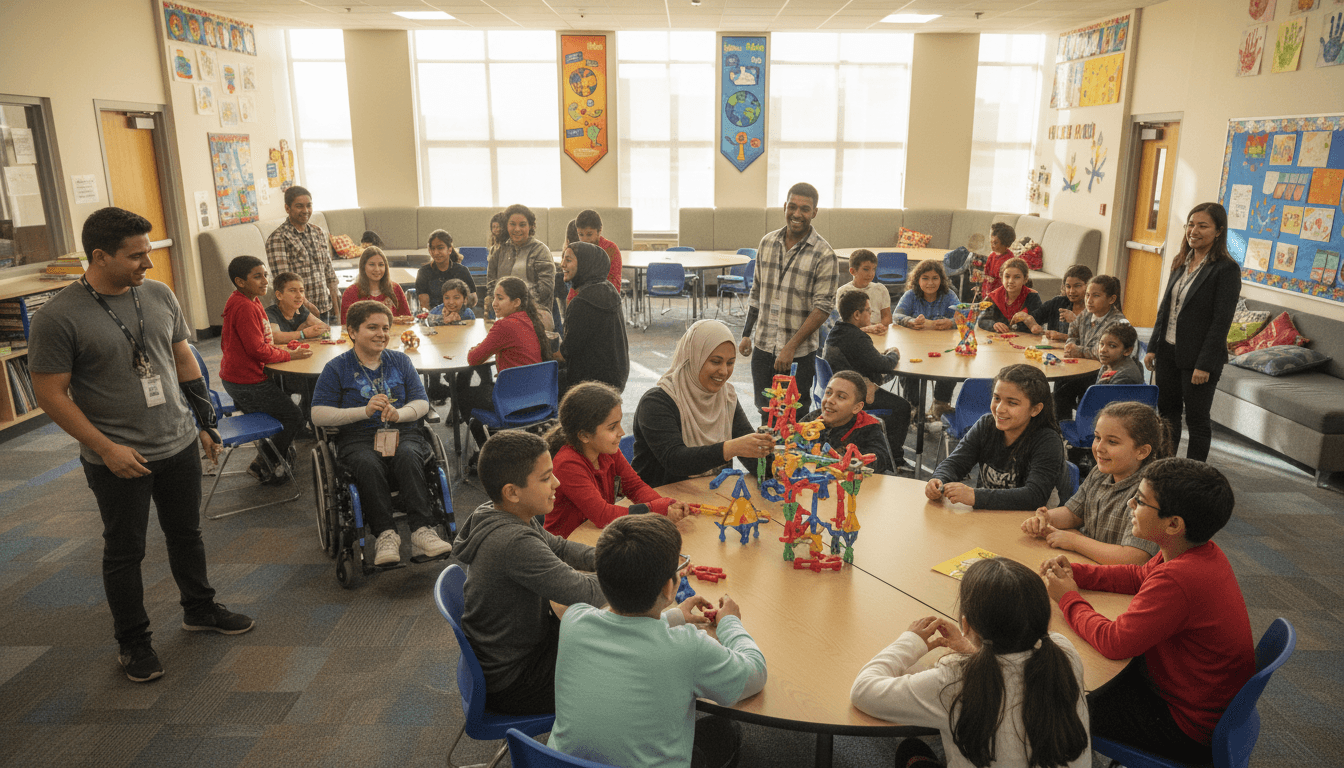
Intersectionality is a framework developed by legal scholar Kimberly Crenshaw to describe how overlapping systems of disadvantage interact in specific people's lives, producing experiences that cannot be fully understood by looking at any single dimension of identity in isolation. It is also a practical tool for educators who want to understand and serve the full range of students in front of them. A newsletter that explains intersectionality clearly, connects it to observable school experience, and describes how it shapes the school's equity work gives families a concept that improves their understanding of education equity.
This guide covers how to explain intersectionality in plain language, how to connect it to student experience and school policy, how to address skepticism, and how to use it as a frame for communicating about equity work that is genuinely comprehensive.
Explaining the concept with concrete examples
The most effective explanation of intersectionality for a family newsletter starts with an example rather than a definition. A student who is a first-generation college student, a speaker of a language other than English at home, and a student with a learning difference faces a set of challenges that interact with each other in ways that no single support program is designed to address. An academic support program for students with learning differences may assume home resources that this student does not have. An ELL program may not account for how a learning difference affects language acquisition differently. Intersectionality names this overlap so schools can design responses that see the whole student.
Connecting intersectionality to school data
Intersectional data analysis reveals patterns that single-variable analysis misses. Discipline data broken down by race alone may not show that Black male students with disabilities are disciplined at rates significantly higher than either Black students generally or students with disabilities generally. Achievement data broken down by income alone may not show that English learners from low-income families who are also students of color face a specific combination of barriers. A newsletter that describes how the school uses intersectional analysis to examine its own data communicates that equity work is rigorous rather than rhetorical.
Describing programs that account for multiple identities
Programs designed without intersectional analysis often serve the most visible members of the target group rather than the full range of students who need them. A newsletter that describes how the school designs and evaluates its equity programs with intersectional thinking, asking whether each program is reaching students with overlapping needs, communicates that the equity commitment is comprehensive. Describing the specific changes the school has made to programs after conducting intersectional analysis is the strongest evidence of genuine application.
Supporting students who hold multiple marginalized identities
Students who hold multiple marginalized identities often carry a unique form of invisibility: they are sometimes too marginalized for one program and not marginalized enough for another. An LGBTQ+ support program may not have resources for LGBTQ+ students of color who experience racism within LGBTQ+ spaces. A racial equity program may not explicitly include LGBTQ+ students of color. A newsletter that acknowledges this gap, and describes what the school is doing to see and support students at these intersections, communicates a level of sophistication that builds trust among families whose children occupy these specific positions.
Building intersectional awareness across the whole school community
Intersectional thinking is not only a tool for administrators and equity coordinators. It is a lens that improves teaching, counseling, family communication, and peer interaction at every level of the school community. A newsletter that describes how the school is building intersectional awareness among students and staff, through curriculum, professional development, and community discussion, communicates that the school sees students as whole people rather than as single-variable categories.
Using Daystage to build equity understanding over time
Daystage monthly newsletters support building a graduated equity education series into your regular communication. Introduce intersectionality as one concept in a sustained sequence of equity education newsletters that develop family understanding over the course of the year. Gradual, consistent education through the newsletter builds the community literacy that makes equity work more widely supported and more durable over time.
Get one newsletter idea every week.
Free. For teachers. No spam.
Frequently asked questions
What should an intersectionality newsletter include?
Cover what intersectionality means in plain language, how it applies to students' lived experience in your school, how the school's equity practices account for the overlapping nature of identity and disadvantage, and what families can do to support students whose identities are multiple and complex. Intersectionality newsletters work best when they connect a concept to specific, observable school realities.
How do I explain intersectionality to families who are not familiar with the term?
Use concrete examples rather than academic definition. A Black female student who is also disabled experiences school differently than a Black male student, a white female student, or a disabled white student, because her experiences of race, gender, and disability interact with each other rather than operating independently. Understanding that interaction is what intersectionality describes. Start with the example, then offer the term.
How does intersectionality affect how schools should design equity programs?
Programs that address a single identity in isolation may miss students who fall at the intersection of multiple identities. A tutoring program designed for students of color may not reach students who are also English learners. A disability accommodation policy designed without race analysis may not address the documented racial disparities in special education identification and placement. Intersectional analysis asks whether programs are reaching every student they are designed to serve.
How do I communicate about intersectionality to families who are skeptical of identity-focused approaches?
Frame it as a practical tool for seeing students clearly. Understanding that a student's experience is shaped by multiple overlapping factors, including race, income, disability status, language, and gender, is basic good teaching. Teachers who understand their students more completely teach them more effectively. A newsletter that frames intersectional thinking as a tool for teaching excellence reaches skeptical families more effectively than one framed around social justice.
How does Daystage support intersectionality communication?
Daystage monthly newsletters let you build a standing equity education section into your template that introduces concepts like intersectionality over time. Rather than a single dense newsletter, a series of brief monthly explanations, each connecting a concept to something concrete in the school's work, builds family understanding gradually. Sustained education over time is more effective than one-time explanation.

Adi Ackerman
Author
Adi Ackerman is a former classroom teacher and curriculum writer with 8 years in K-8 schools. She writes about school communication, parent engagement, and what actually works in real classrooms.
More for Diversity & Equity
Microaggression Policy Newsletter: Communicating School Standards for Respectful Interaction
Diversity & Equity · 6 min read
Stereotype Threat Awareness Newsletter: Communicating Academic Identity Research to School Families
Diversity & Equity · 6 min read
DEI Professional Development Newsletter: Communicating Staff Equity Learning to School Families
Diversity & Equity · 6 min read
Ready to send your first newsletter?
3 newsletters free. No credit card. First one ready in under 5 minutes.
Get started free