
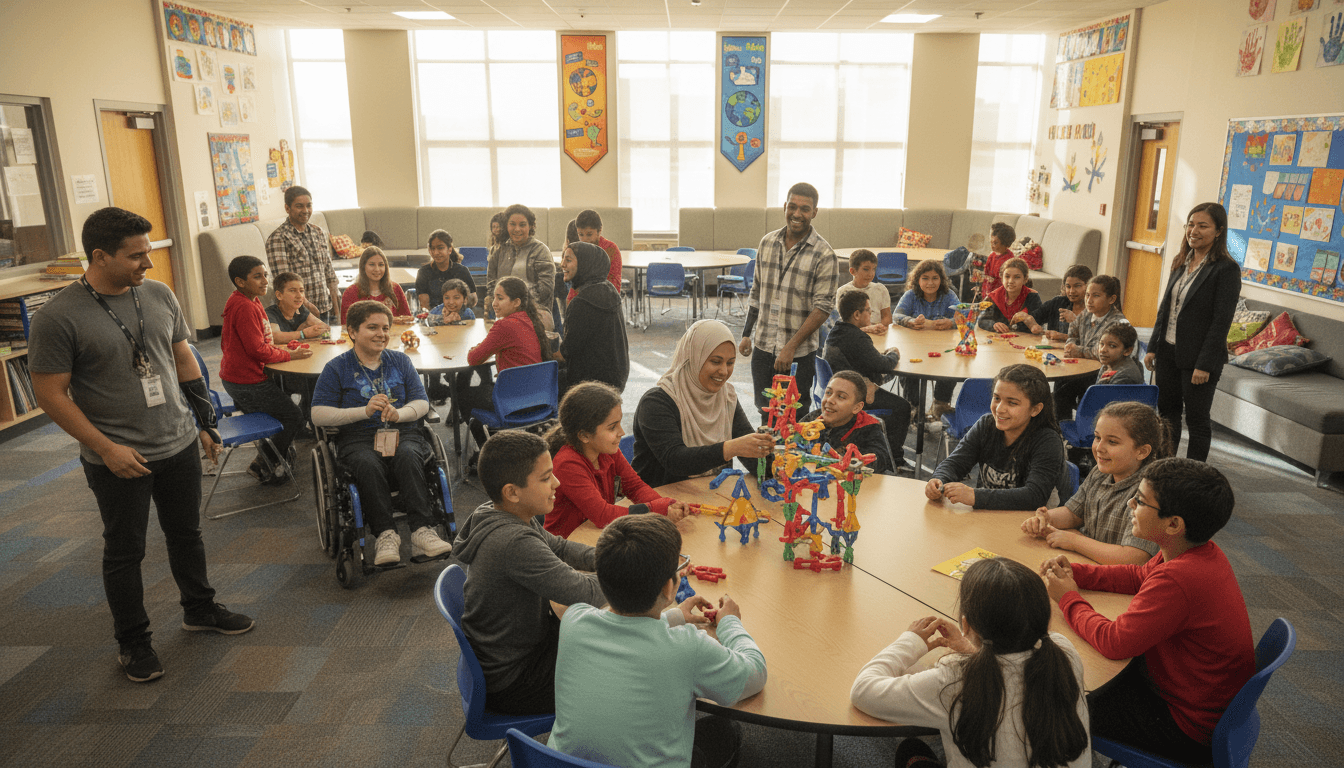
Culturally Sustaining Practices Newsletter: Communicating Teaching That Honors Student Identities
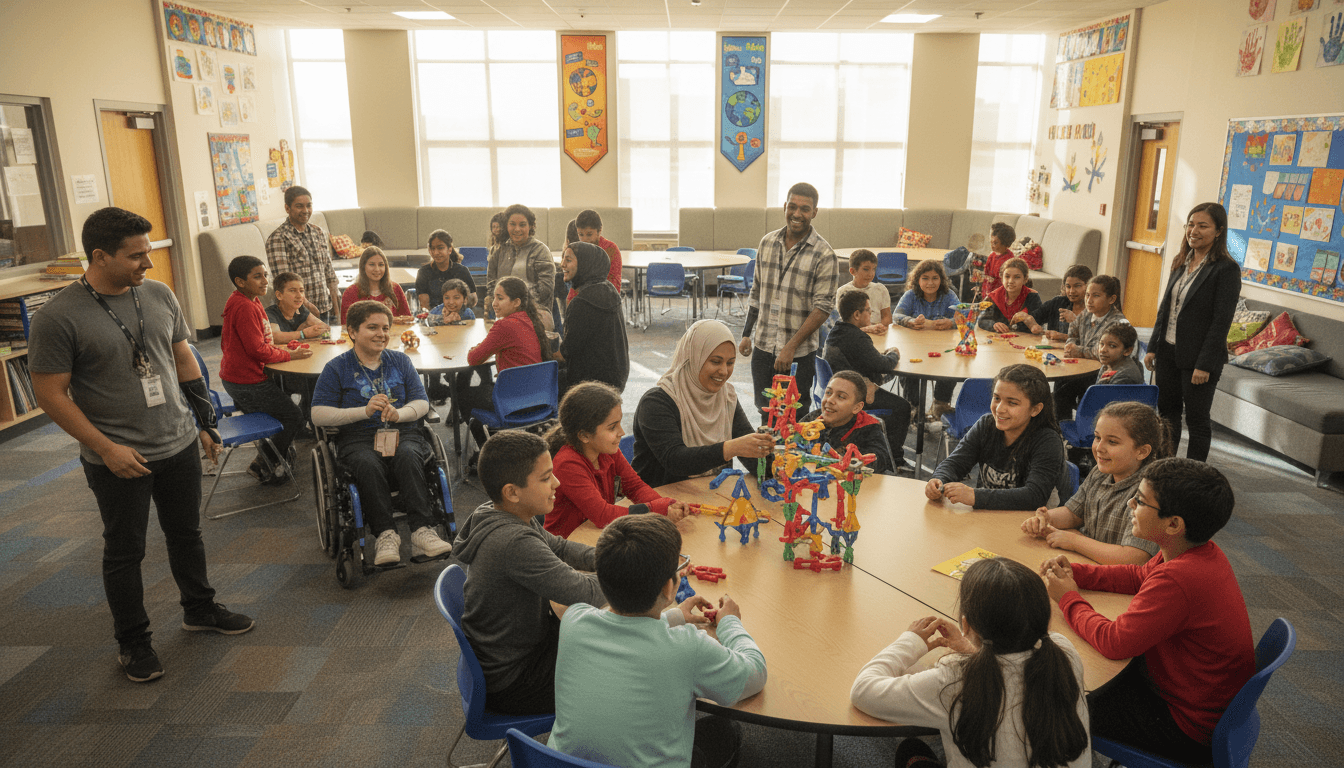
Culturally sustaining pedagogy starts from a different premise than most education practice: that the cultural practices, languages, and identities students bring to school are not obstacles to academic learning but the very foundation it should build from. A teacher who designs assignments that honor student identities, who makes room for multiple languages and cultural frameworks in academic work, and who treats family expertise as curriculum is practicing culturally sustaining teaching. A newsletter that communicates this approach gives families a window into pedagogical choices that might otherwise seem puzzling.
This guide covers what to include in a culturally sustaining practices newsletter, how to explain the approach through concrete examples, and how to invite families to contribute their own cultural expertise to the school community.
Describing culturally sustaining practices through classroom examples
The most effective way to communicate about culturally sustaining pedagogy to families is through specific classroom examples. "In our fourth grade reading unit this month, students are using oral family histories as a starting point for understanding narrative structure. Students are interviewing a family member about a significant experience and using that story as the first text in a unit on how stories are constructed and told." That description communicates the practice clearly without requiring families to understand the theoretical framework behind it.
How culturally sustaining practices benefit all students
Culturally sustaining teaching benefits every student in a classroom, not just students whose cultures are most frequently centered. A classroom where multiple cultural frameworks are treated as valid ways of knowing and engaging with the world develops more intellectually flexible thinkers than a classroom with a single cultural frame. A newsletter that makes this universal benefit explicit reaches families who might otherwise assume the approach only serves students from non-dominant backgrounds.
Inviting family cultural contributions
Every school community contains enormous cultural expertise that teachers rarely access. A newsletter that explicitly invites families to contribute their knowledge, language, stories, and practices to the learning environment builds a genuinely culturally sustaining school community. The invitation should be specific: not "come share your culture with us" but "if you have expertise in traditional food preparation, weaving, music, or storytelling from your family's cultural background and would be willing to spend 30 to 45 minutes with a classroom, please contact your child's teacher." Specific invitations generate real contributions.
Communicating when cultural practices are integrated into academic content
When a unit explicitly integrates cultural practices into academic content, families deserve advance notice. A newsletter that describes an upcoming unit, the cultural knowledge it will draw on, and the academic skills it will build gives families context and an opportunity to contribute. It also prevents the surprise that can arise when a student comes home talking about how their family's cultural practices were discussed in class.
Avoiding cultural tourism
A culturally sustaining practices newsletter should communicate about year-round integration of cultural practices into academic work, not just about special units or heritage month activities. Cultural tourism, treating culture as a special topic to be visited and then left behind, is different from culturally sustaining teaching, which integrates cultural knowledge into daily instruction. Your newsletter should reflect that distinction over time.
Using Daystage for culturally sustaining communication
Daystage supports newsletters that include diverse images, student work, and family contributions alongside text. A newsletter that looks and sounds like the full school community it serves is itself a culturally sustaining communication. Build your template to include space for student stories, family contributions, and classroom examples that reflect the real cultural range of your school. Send consistently and feature different cultural backgrounds and practices across the year rather than clustering them in Heritage Month issues.
Get one newsletter idea every week.
Free. For teachers. No spam.
Frequently asked questions
What is culturally sustaining pedagogy and how do I explain it in a newsletter?
Culturally sustaining pedagogy is teaching that actively supports and honors the cultural practices, languages, and identities students bring to school, rather than treating them as things to be set aside during academic learning. In a newsletter, explain it through a specific classroom example: a student who connects a math concept to a cultural practice they know well, or a writing assignment that invites students to share family stories as part of literacy development.
What should a culturally sustaining practices newsletter include?
Cover one specific classroom practice and how it connects to student cultural identities, how that practice benefits all students in the class, and one way families can contribute their own cultural expertise to the school community. Concrete examples are far more useful than theoretical descriptions of the approach.
How do I communicate about culturally sustaining practices to families who may not have heard the term before?
Lead with what students experience, not with the pedagogical framework. A parent who reads about a lesson where students compared their family's oral storytelling traditions to the narrative structures in a short story understands the practice without needing the term. Save the terminology for professional development contexts. Family newsletters need experience descriptions, not framework explanations.
How do I invite family cultural contributions without burdening families with additional school responsibilities?
Make the invitation specific and optional. A clear, low-barrier ask is more likely to generate genuine participation than a general invitation. Ask a specific thing from a specific kind of family at a specific time. One family who shares a cultural practice with a classroom does more to build culturally sustaining learning than a hundred families who received a general request and did not know how to respond.
How does Daystage help build a culturally sustaining school community newsletter?
Daystage lets you send newsletters that reflect the cultural diversity of your community through the stories and examples you feature. The block editor makes it easy to include images of student cultural projects, family contributions, and diverse classroom activities. A newsletter that looks like the community it serves is itself a culturally sustaining communication practice.

Adi Ackerman
Author
Adi Ackerman is a former classroom teacher and curriculum writer with 8 years in K-8 schools. She writes about school communication, parent engagement, and what actually works in real classrooms.
More for Diversity & Equity
Family Engagement Equity Newsletter: Reaching and Including Families Who Are Most Often Left Out
Diversity & Equity · 6 min read
Intersectionality Newsletter: Communicating Complex Identity to School Families
Diversity & Equity · 6 min read
Restorative Justice Newsletter: Communicating Restorative Practices and Discipline Equity to School Families
Diversity & Equity · 6 min read
Ready to send your first newsletter?
3 newsletters free. No credit card. First one ready in under 5 minutes.
Get started free