
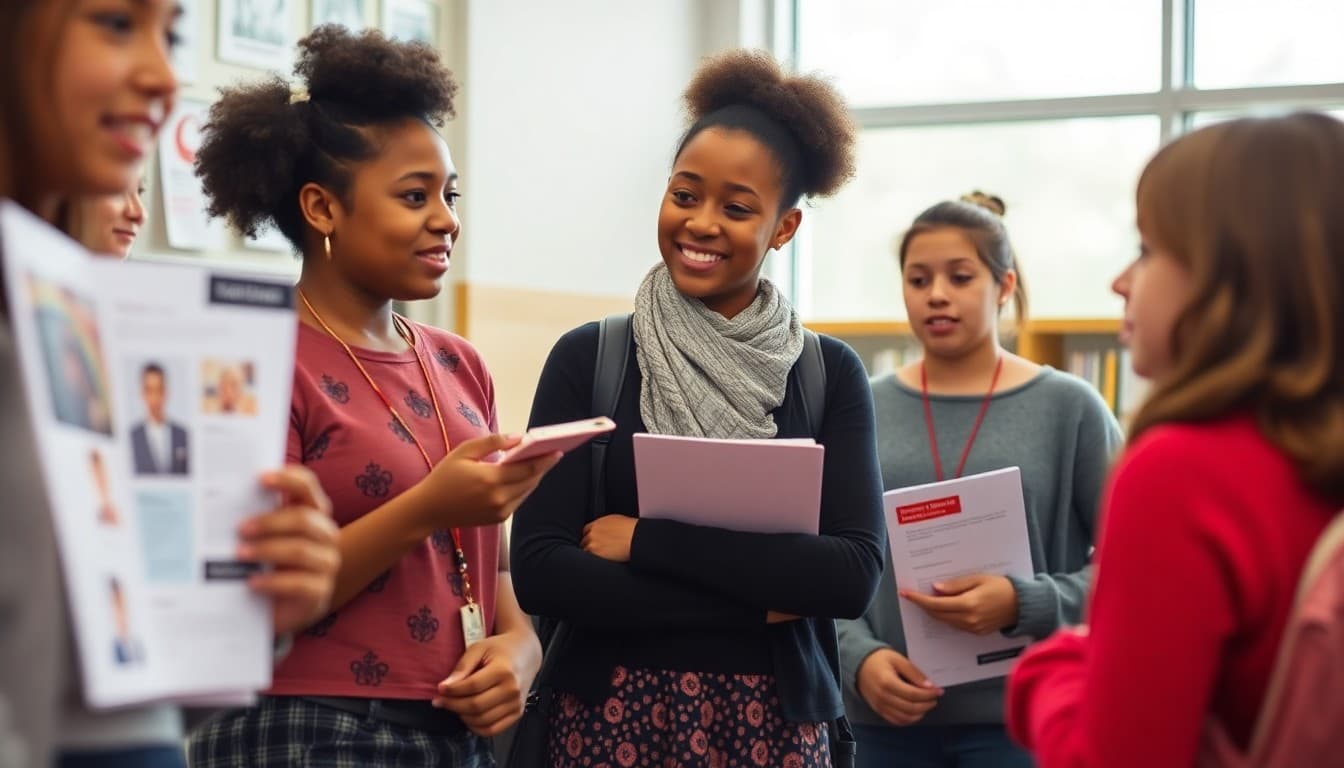
School Newsletter: Women's History Month in Our Classrooms
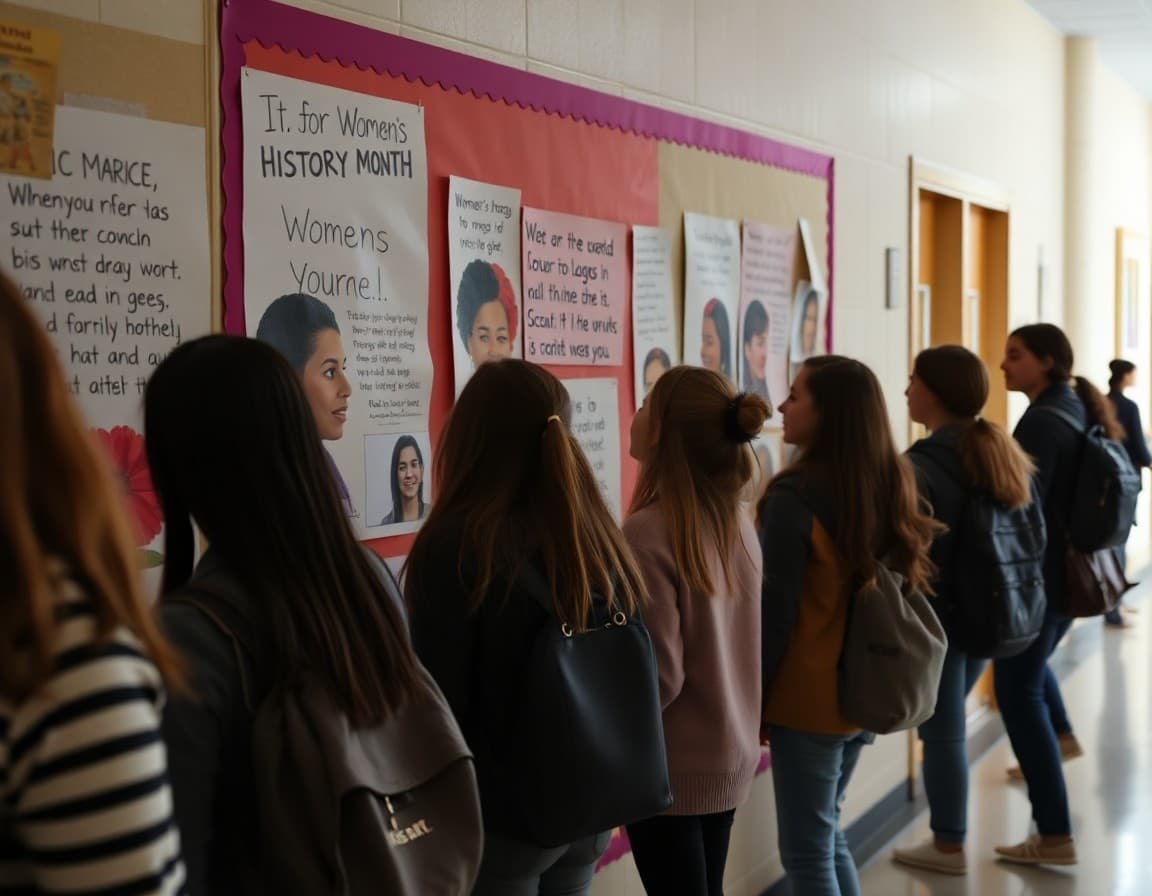
Women's History Month in March is an opportunity to surface the contributions of women across every field that students are studying -- science, literature, history, mathematics, the arts. A newsletter that shares specific curriculum content and gives families tools to continue the conversation at home helps the month's learning stick long after March ends.
What Students Are Learning This Month
Give families a grade-level summary of what Women's History Month curriculum looks like in your school. A science class studying women who shaped modern physics or medicine. An English class reading novels by women whose voices were historically silenced. A history class examining women's suffrage movements in global context. A math class learning about women mathematicians whose contributions were unrecognized for decades. Specific content gives families meaningful conversation starters.
Women in Our Community Worth Celebrating
Feature two or three women from your school community -- staff, family members, alumni, or local leaders -- who have made contributions worth recognizing. A brief profile: who they are, what they have accomplished, and what they want students to know. Community-rooted recognition makes Women's History Month feel immediate and personal, not just historical.
Book and Media Recommendations
A curated list of books, podcasts, and films about women across fields, organized by grade range. Include classic and contemporary subjects. Include women from diverse racial, cultural, and professional backgrounds. Note which resources are available at the school or public library. A thoughtful list signals that the school's Women's History Month curriculum is broad and genuine, not just the same few famous names repeated annually.
Connecting History to Present-Day Opportunities
Women's History Month is most meaningful when it connects what women accomplished in the past to the expanded opportunities available to girls today -- and to the gaps that remain. A newsletter section that acknowledges both the progress and the ongoing work gives students a historically grounded and realistic picture of where they are inheriting.
Family Activity: A Woman Who Shaped Our Family
Invite families to tell their children about a woman in their own family history who showed courage, made sacrifices, or built something important. A grandmother who immigrated alone. A mother who was the first in her family to attend college. An aunt who started a business. This activity makes Women's History Month personal and honors the ordinary women whose contributions are not in the history books but are felt every day.
Celebrating Girls in the School Right Now
Women's History Month is also an opportunity to celebrate the girls and young women in your school who are doing remarkable things right now. Student athletes breaking records. Young scientists entering competitions. Student leaders running programs. Student journalists covering the school. These present-day celebrations reinforce that women's history is still being written -- including in this building, by these students.
Year-Round Visibility, Not Just in March
Close with a commitment to year-round visibility of women's contributions in the curriculum. The goal is not to study women in March and spend the rest of the year on a curriculum that centers male perspectives. Name one or two ways the school works to include women's voices and contributions in the ongoing curriculum. Families who see this commitment understand that March is a spotlight, not an exception.
Get one newsletter idea every week.
Free. For teachers. No spam.
Frequently asked questions
What should a Women's History Month in Our Classrooms newsletter cover?
The most effective newsletters for this observance cover three things: what the school is doing to recognize or celebrate the month or week, how families can participate or reinforce the themes at home, and who at school to contact for more information or to get involved. Lead with the specific activities happening at school, not with a generic description of the observance. Families respond to what is real and local, not to national awareness month statistics.
When should the school send this newsletter?
The week before or the first week of the observance month or week. Families need enough lead time to participate in any events, volunteer for relevant activities, or have informed conversations with their children about the topics being raised at school. A newsletter that arrives after the week has already started is useful for context but misses the participation window.
How do you keep this kind of observance newsletter from feeling generic?
Connect every awareness month or week to something specific happening in your school building. A student who shared their experience. A classroom project in progress. A community organization the school is partnering with. A specific action families can take this week. Generic awareness newsletters list facts about the month. Specific newsletters tell families what their community is actually doing about it.
Should the newsletter include community resources?
Yes, briefly. Include one or two community organizations or helplines relevant to the observance if appropriate. For mental health awareness months, crisis lines. For financial literacy month, free local resources. For heritage months, community cultural organizations. This section takes one minute to add and significantly increases the newsletter's value as a community resource beyond school walls.
How does Daystage help schools send observance newsletters?
Daystage lets school staff create a clean, formatted newsletter for any observance month or week and send it to all families in a few minutes. You can include event details, resource links, and family action steps in a mobile-friendly format that arrives directly in every family's inbox. Templates can be reused and adapted each year.

Adi Ackerman
Author
Adi Ackerman is a former classroom teacher and curriculum writer with 8 years in K-8 schools. She writes about school communication, parent engagement, and what actually works in real classrooms.
More for Community Outreach
Ready to send your first newsletter?
3 newsletters free. No credit card. First one ready in under 5 minutes.
Get started free