
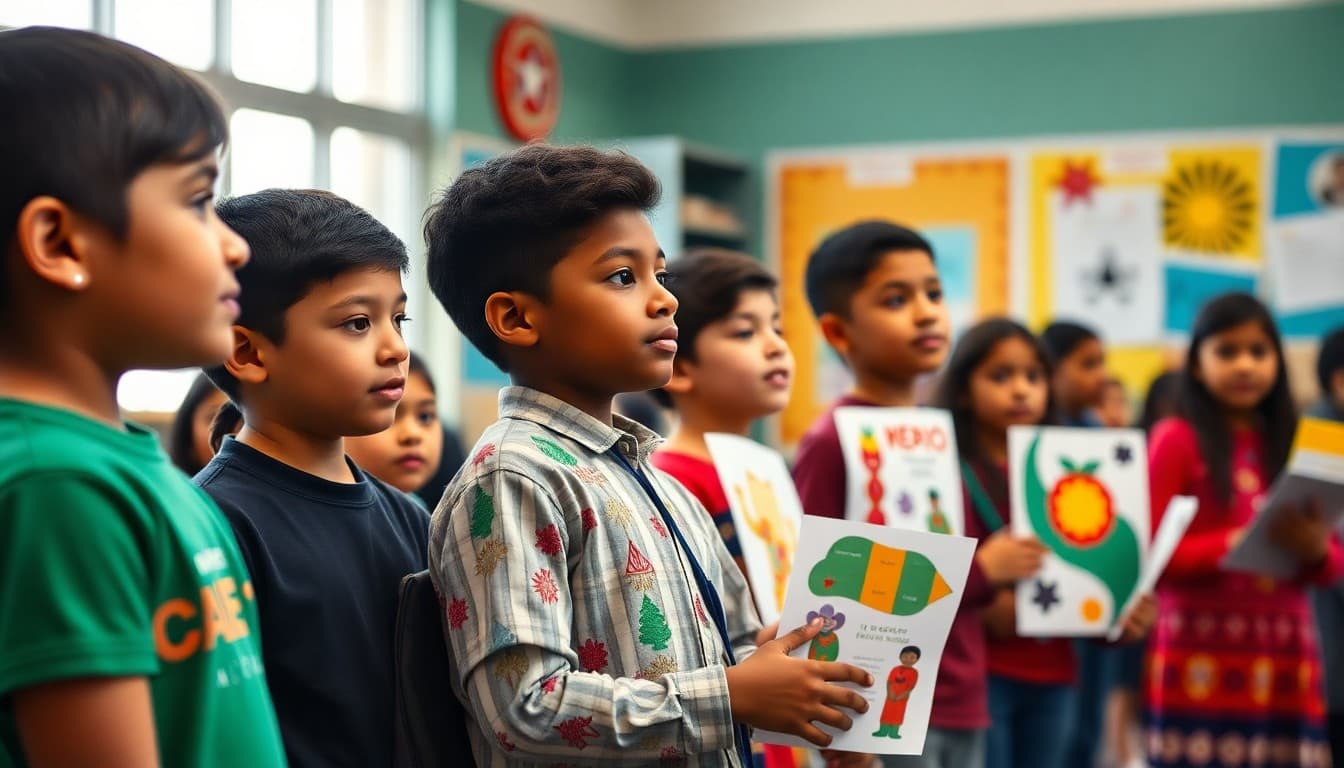
School Newsletter: Hispanic Heritage Month Celebrations and Activities
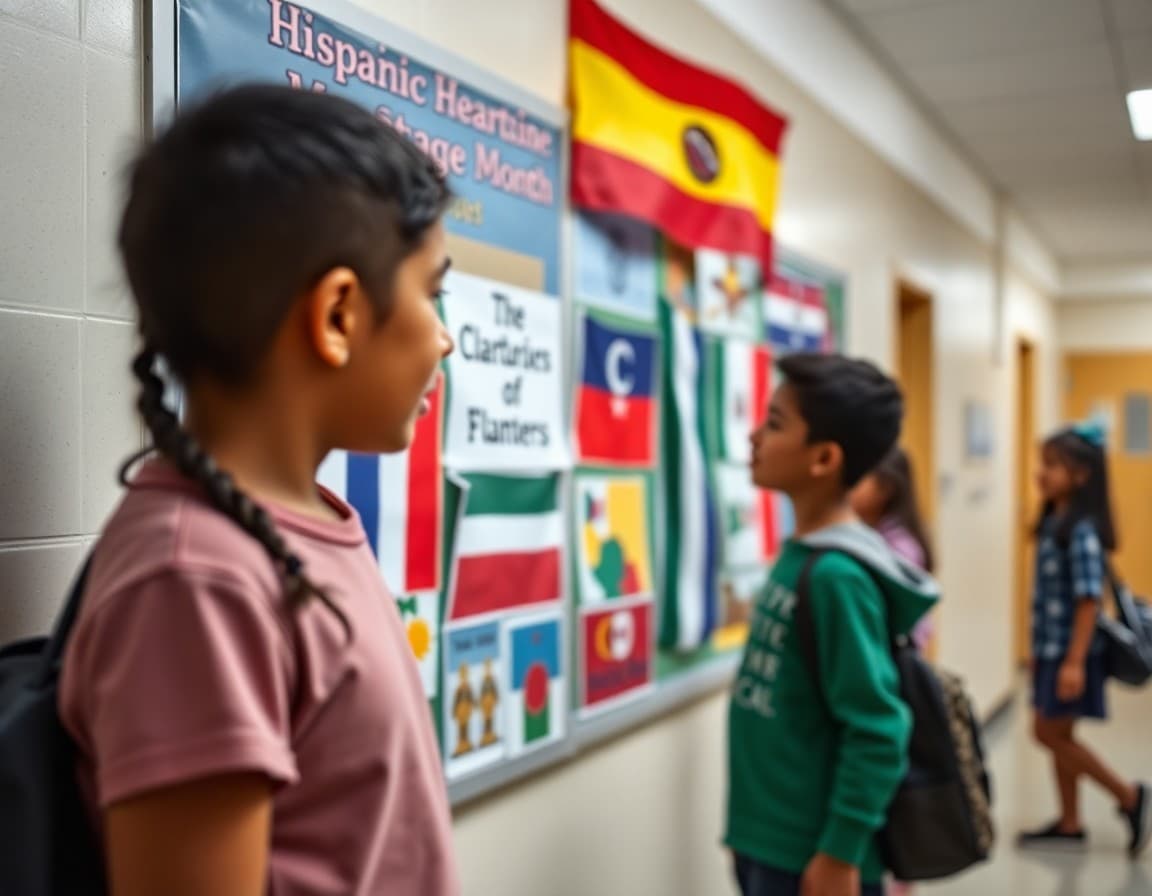
Hispanic Heritage Month runs from September 15 to October 15, spanning the independence days of several Latin American countries and providing a month-long frame for celebrating the contributions of Hispanic and Latino communities in the United States. A newsletter that approaches this month with specificity about the diversity within Latin America -- and within the Latino American experience -- gives families and students a richer and more accurate picture.
The Diversity Within Hispanic Heritage
Hispanic Heritage Month encompasses communities with roots in Mexico, Puerto Rico, Cuba, the Dominican Republic, Central America, South America, and Spain, as well as US-born communities with generations of American history. The word 'Hispanic' covers profound cultural, racial, and linguistic diversity. A newsletter that acknowledges this from the start establishes the right frame for a month of authentic learning rather than a flattening of diverse communities into a single cultural narrative.
September 15 to October 15: Why This Span
The month begins on September 15, the independence day of Costa Rica, El Salvador, Guatemala, Honduras, and Nicaragua, and continues through Mexico's Independence Day on September 16 and Columbus Day/Indigenous Peoples Day on October 12. Sharing this timeline with families gives the month its historical grounding and connects the celebration to specific national independence movements.
What Students Are Learning
Describe the specific Hispanic Heritage Month curriculum at each grade level. A Spanish class examining the literature of the Colombian magical realism tradition. A history class studying the Chicano Civil Rights Movement. A music class exploring the African and indigenous roots of cumbia, salsa, and merengue. Specific curriculum content gives families conversation starters grounded in the actual material their children are studying.
Centering Latin American and Latino Voices
Feature books, films, music, and art created by Latin American and Latino artists and thinkers. When school communities celebrate heritage months with resources created by the communities being honored, the celebration is more authentic and more respectful. Include recommendations across languages -- works originally in Spanish that have been translated, and bilingual resources for multilingual families.
Family Stories in the Newsletter
Invite Latino families to share a brief story about their heritage in the newsletter: a family tradition, a recipe with history, a memory from a homeland or a grandparent's story. These family stories are among the most read sections of any heritage month newsletter, because every reader -- Latino and non-Latino alike -- connects to the specificity of a real family narrative.
Addressing the Complexity of the Latino Experience in America
The Latino American experience includes immigration, labor history, language rights, and ongoing questions of identity and belonging that are complex and worth engaging honestly. A heritage month newsletter that acknowledges this complexity -- in age-appropriate terms -- gives students and families a more honest and meaningful celebration than one that focuses only on food, music, and flags.
Year-Round Latino Representation in the Curriculum
Close with a commitment to year-round representation of Latino voices, history, and contributions in the curriculum. Hispanic Heritage Month is a spotlight, not a container. Families who see this commitment understand that their school values the Latino community's contributions as a permanent part of American history, not as a special addition in September and October.
Get one newsletter idea every week.
Free. For teachers. No spam.
Frequently asked questions
What should this newsletter cover?
Lead with what your school is specifically doing this month or week. Connect it to family action at home, community resources, and a direct contact for more information. Specificity is what makes a newsletter useful rather than forgettable.
When should the school send it?
The week before or the first week of the observance. Families need lead time to participate in events or prepare for activities. A newsletter that arrives after the observance started is contextual but misses the participation window.
How do you keep this newsletter from feeling generic?
Connect the theme to something specific happening in your school building this week. A classroom activity in progress. A community partner the school is working with. A specific student or staff member doing something worth recognizing. Specificity drives readership and sharing.
Should it include community resources?
Yes, briefly. One or two relevant organizations, helplines, or local resources. Families who find a useful resource in a school newsletter trust the school as a community hub, not just an educational institution.
How does Daystage support this newsletter?
Daystage lets school staff create and send a formatted newsletter directly to every family's inbox. You write the content, Daystage handles formatting and delivery. Templates can be reused and adapted each year for recurring observances.

Adi Ackerman
Author
Adi Ackerman is a former classroom teacher and curriculum writer with 8 years in K-8 schools. She writes about school communication, parent engagement, and what actually works in real classrooms.
More for Community Outreach
Ready to send your first newsletter?
3 newsletters free. No credit card. First one ready in under 5 minutes.
Get started free