
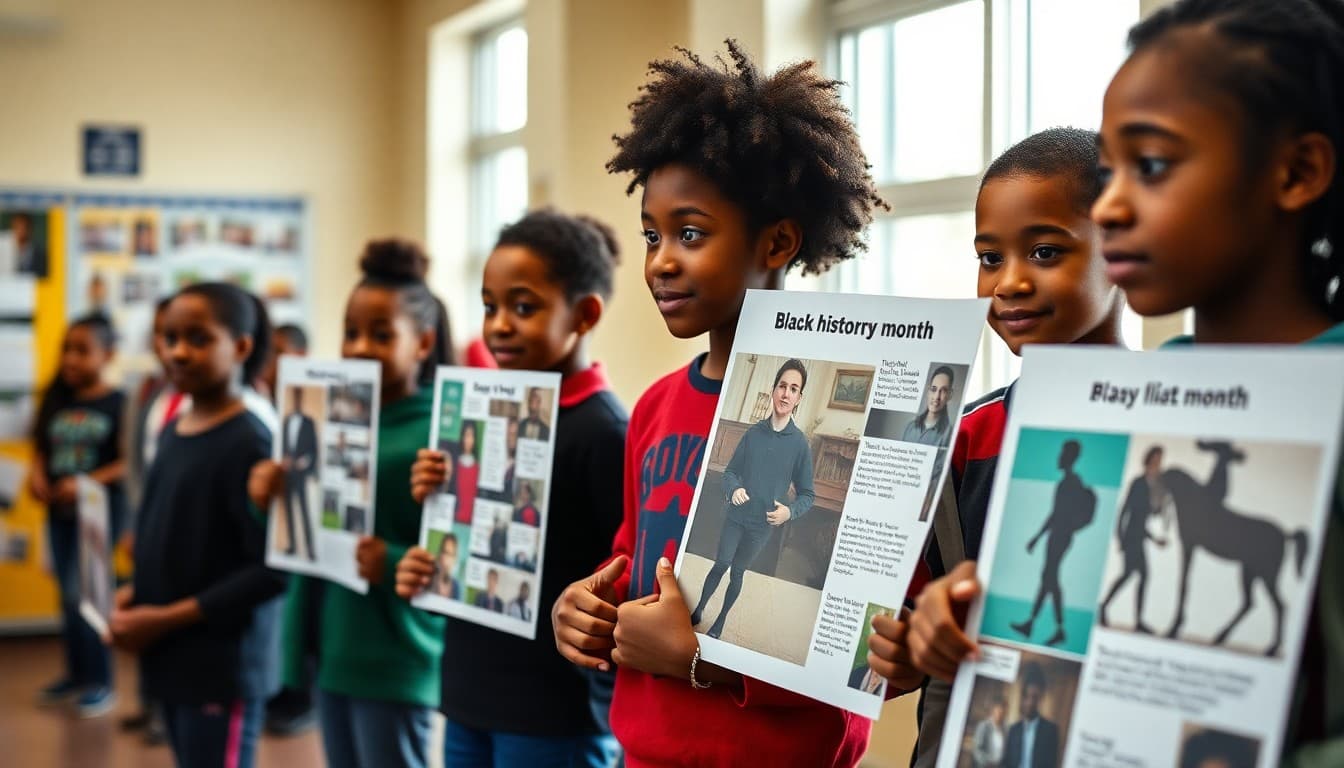
School Newsletter: Black History Month Celebrations and Activities
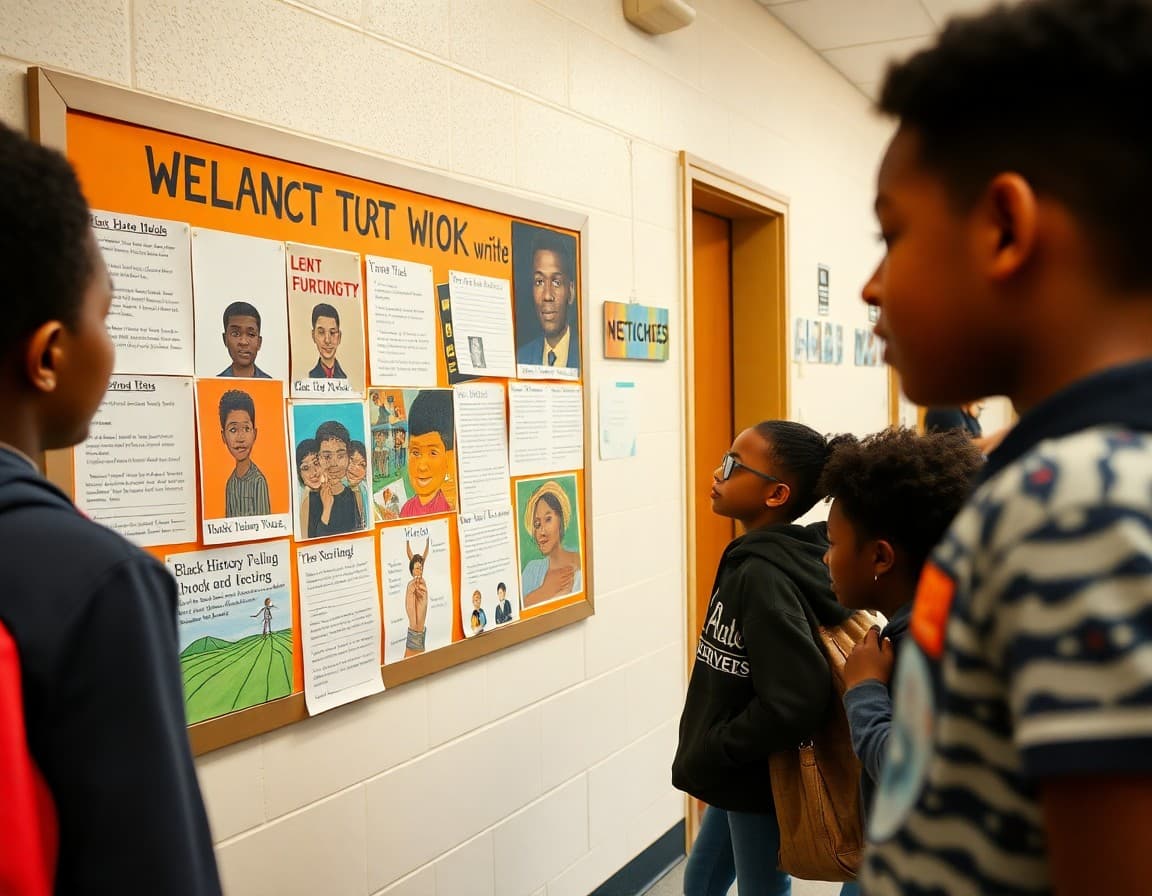
Black History Month is an opportunity to do more than post a banner and read a picture book. Schools that approach the month with curriculum depth, community connection, and genuine student engagement produce learning that families remember and carry beyond the school walls. The newsletter is where you invite families into that deeper engagement.
Share What Students Are Actually Learning
Give families a specific, grade-level summary of the Black History Month curriculum. Not just 'we are learning about civil rights leaders' -- the actual people, events, and themes being studied at each level. Elementary students learning about Harriet Tubman's courage and strategic thinking. Middle schoolers analyzing primary sources from the Harlem Renaissance. High schoolers studying the economic and political structures that shaped the Civil Rights Movement. Specific content gives families a way to continue the conversation at home.
Feature Community Voices
Invite Black community members, families, alumni, or local leaders to contribute a brief reflection to the newsletter during February. A sentence or two about a figure from Black history who shaped their life or work. A memory about learning Black history in school. A recommendation for something families can read, watch, or do together this month. Community voices in the newsletter humanize Black History Month in ways that institutional communication cannot.
Recommend Books and Media Across Grade Levels
Include a curated list of books, documentaries, podcasts, or museum resources organized by grade range. Note which resources are available at the school or public library. Multilingual resources for families where English is not the primary home language. A recommendation list that is genuinely curated -- not just the same titles repeated every year -- signals that the school is engaged with current, high-quality scholarship and not just going through the motions.
Connect Past to Present
The most powerful Black History Month learning connects historical events to current realities. A newsletter that draws a clear line from the Civil Rights Movement to contemporary equity issues gives students and families a historical framework for understanding the present. This connection does not require a political position -- it requires honest engagement with cause and effect across time.
Service Learning Opportunities
Include one community service opportunity connected to Black History Month themes. A donation drive for a historically Black college. A volunteer day with a civil rights organization. A school project that involves students documenting the history of Black community members in your neighborhood. Service that connects to the themes of justice and contribution makes the month active rather than observational.
Celebrate Black Students, Families, and Staff
Black History Month is also an opportunity to celebrate the Black community members who are part of your school right now. With appropriate permission, feature student work, family contributions, and staff accomplishments. A school that celebrates its present Black community alongside its historical curriculum signals that Black excellence is not just a thing of the past -- it is here, now, in this building.
Sustaining Learning Beyond February
Close with a commitment to continuing Black history learning beyond the month of February. Name one or two curriculum elements that will carry the themes forward: a book that will be read in March, a community partner relationship that continues through spring, a student project that spans the semester. Black history is American history. A newsletter that acknowledges this positions the month as an intensified focus, not a contained obligation.
Get one newsletter idea every week.
Free. For teachers. No spam.
Frequently asked questions
What should a Black History Month Celebrations and Activities newsletter cover?
The most effective newsletters for this observance cover three things: what the school is doing to recognize or celebrate the month or week, how families can participate or reinforce the themes at home, and who at school to contact for more information or to get involved. Lead with the specific activities happening at school, not with a generic description of the observance. Families respond to what is real and local, not to national awareness month statistics.
When should the school send this newsletter?
The week before or the first week of the observance month or week. Families need enough lead time to participate in any events, volunteer for relevant activities, or have informed conversations with their children about the topics being raised at school. A newsletter that arrives after the week has already started is useful for context but misses the participation window.
How do you keep this kind of observance newsletter from feeling generic?
Connect every awareness month or week to something specific happening in your school building. A student who shared their experience. A classroom project in progress. A community organization the school is partnering with. A specific action families can take this week. Generic awareness newsletters list facts about the month. Specific newsletters tell families what their community is actually doing about it.
Should the newsletter include community resources?
Yes, briefly. Include one or two community organizations or helplines relevant to the observance if appropriate. For mental health awareness months, crisis lines. For financial literacy month, free local resources. For heritage months, community cultural organizations. This section takes one minute to add and significantly increases the newsletter's value as a community resource beyond school walls.
How does Daystage help schools send observance newsletters?
Daystage lets school staff create a clean, formatted newsletter for any observance month or week and send it to all families in a few minutes. You can include event details, resource links, and family action steps in a mobile-friendly format that arrives directly in every family's inbox. Templates can be reused and adapted each year.

Adi Ackerman
Author
Adi Ackerman is a former classroom teacher and curriculum writer with 8 years in K-8 schools. She writes about school communication, parent engagement, and what actually works in real classrooms.
More for Community Outreach
Ready to send your first newsletter?
3 newsletters free. No credit card. First one ready in under 5 minutes.
Get started free