
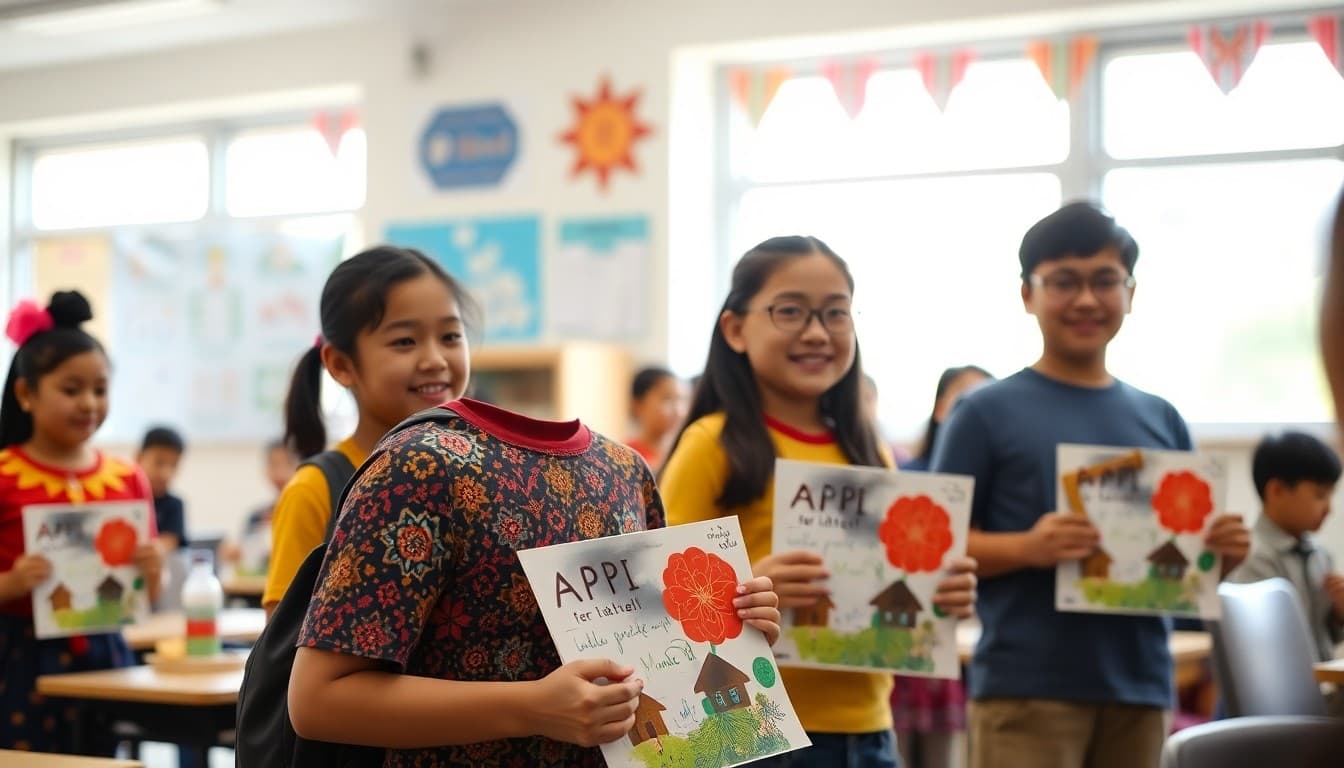
School Newsletter: Celebrating Asian Pacific American Heritage Month
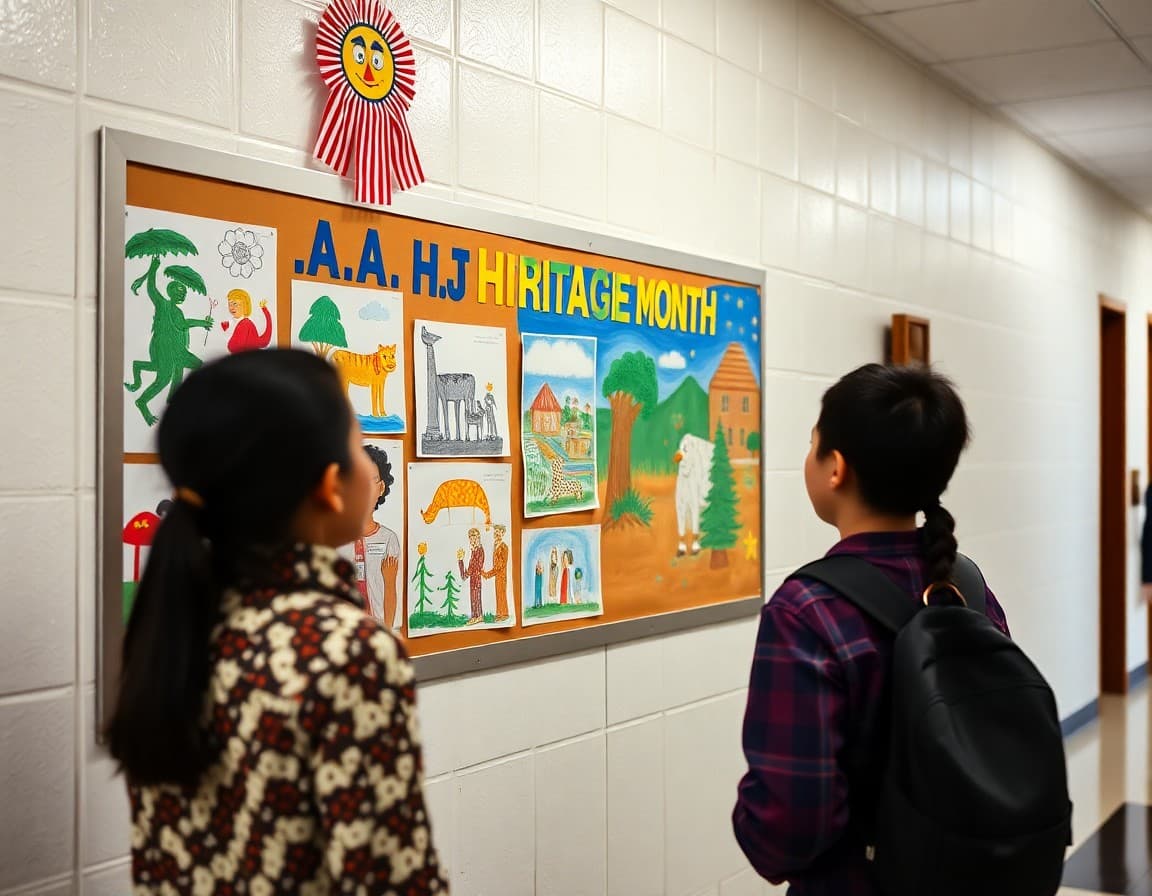
Asian American and Pacific Islander Heritage Month in May is an opportunity to recognize the enormous diversity within the AAPI designation -- a category that spans dozens of countries, hundreds of languages, and profound differences in culture, history, and experience. A newsletter that approaches this month with specificity and depth rather than flattening it into a single cultural narrative gives students and families a more accurate and respectful picture.
The Breadth of AAPI Heritage
AAPI Heritage Month encompasses communities from East Asia, Southeast Asia, South Asia, and the Pacific Islands. From Chinese American history to Native Hawaiian rights, from the Japanese American incarceration experience to the South Asian tech entrepreneur story to the Pacific Islander climate displacement reality -- this is not a monolithic community. A newsletter that acknowledges this diversity from the start establishes the right frame for a month of authentic learning.
What Students Are Learning in May
Give families a specific, grade-level summary of the AAPI Heritage Month curriculum. A social studies unit on the contributions of Asian Americans to the building of the transcontinental railroad. A literature class reading works by Southeast Asian American writers. A history unit examining the 1882 Chinese Exclusion Act. A unit on Pacific Islander environmental advocacy. Specific content gives families a way to continue the conversation at home with the actual material their children are engaging with.
Community Voices and Family Stories
Invite AAPI community members, families, and alumni to share brief reflections in the newsletter. A family story about immigration and adaptation. A memory about growing up between two cultures. A recommendation for a book or film that represents their community authentically. Community voices in the newsletter humanize AAPI Heritage Month in ways that institutional content cannot.
Centering AAPI Student and Family Voices
Feature student work, family stories, or community contributions that center AAPI voices rather than describing them from the outside. Poems written by AAPI students. Family histories shared with student permission. A community partner organization led by AAPI community members. This centering is what distinguishes genuine cultural recognition from performative acknowledgment.
Addressing Anti-AAPI Discrimination
A heritage month newsletter that does not acknowledge the experiences of discrimination and violence that AAPI communities have faced -- historically and in recent years -- is incomplete. A brief, age-appropriate acknowledgment that anti-Asian discrimination is real and that the school addresses it seriously signals to AAPI students that their safety and dignity are taken seriously, not just their heritage.
Resources Across AAPI Communities
Provide a few specific, accessible resources across different AAPI communities: books by Pacific Islander authors, a documentary about Japanese American incarceration history, a podcast about South Asian American experience, a website about Filipino American history. Curated resources that represent the breadth of AAPI communities are more valuable than a single generalized suggestion.
Beyond the Month
Close with a commitment to year-round AAPI representation in the curriculum. AAPI History Month is a spotlight, not an exception. Families who see this commitment understand that their school values the AAPI community's contributions as a permanent part of American history, not as a special addition in May.
Get one newsletter idea every week.
Free. For teachers. No spam.
Frequently asked questions
What should this newsletter cover?
Lead with what your school is specifically doing to observe or celebrate this topic. Then connect it to family action at home, community resources, and who to contact at school for more information. Generic awareness newsletters are ignored. Specific, school-rooted newsletters get read and shared.
When should the school send it?
The week before or the first week of the relevant observance. Families need enough lead time to participate in events, prepare for activities, or have conversations with their children. A newsletter that arrives after the observance has started is contextual but misses the action window.
How do you keep it from feeling generic?
Name specific students, staff, or community members. Share a specific classroom activity in progress. Connect the theme to something real happening in the building this week. Specificity is what separates a newsletter that gets shared from one that gets archived.
Should it include community resources?
Yes, briefly. One or two relevant organizations or helplines, with contact information. Families who find a useful resource in a school newsletter develop trust in the school as a community hub, not just an educational institution.
How does Daystage help send this newsletter?
Daystage lets school staff create a clean, formatted newsletter and send it directly to all families' inboxes. You write the content, Daystage handles the formatting and delivery. Families receive it in their inbox and can reply directly to follow up.

Adi Ackerman
Author
Adi Ackerman is a former classroom teacher and curriculum writer with 8 years in K-8 schools. She writes about school communication, parent engagement, and what actually works in real classrooms.
More for Community Outreach
Ready to send your first newsletter?
3 newsletters free. No credit card. First one ready in under 5 minutes.
Get started free