
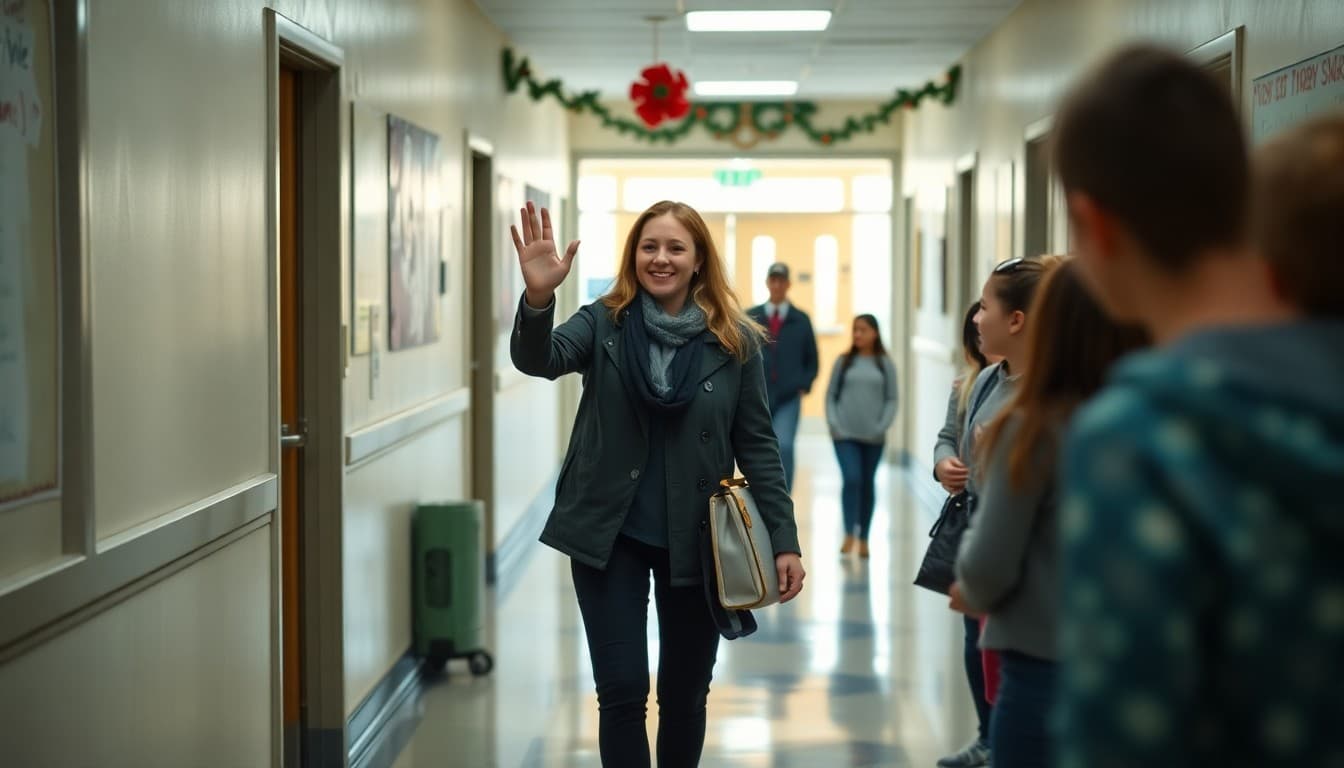
School Newsletter: Winter Break Information and Reminders
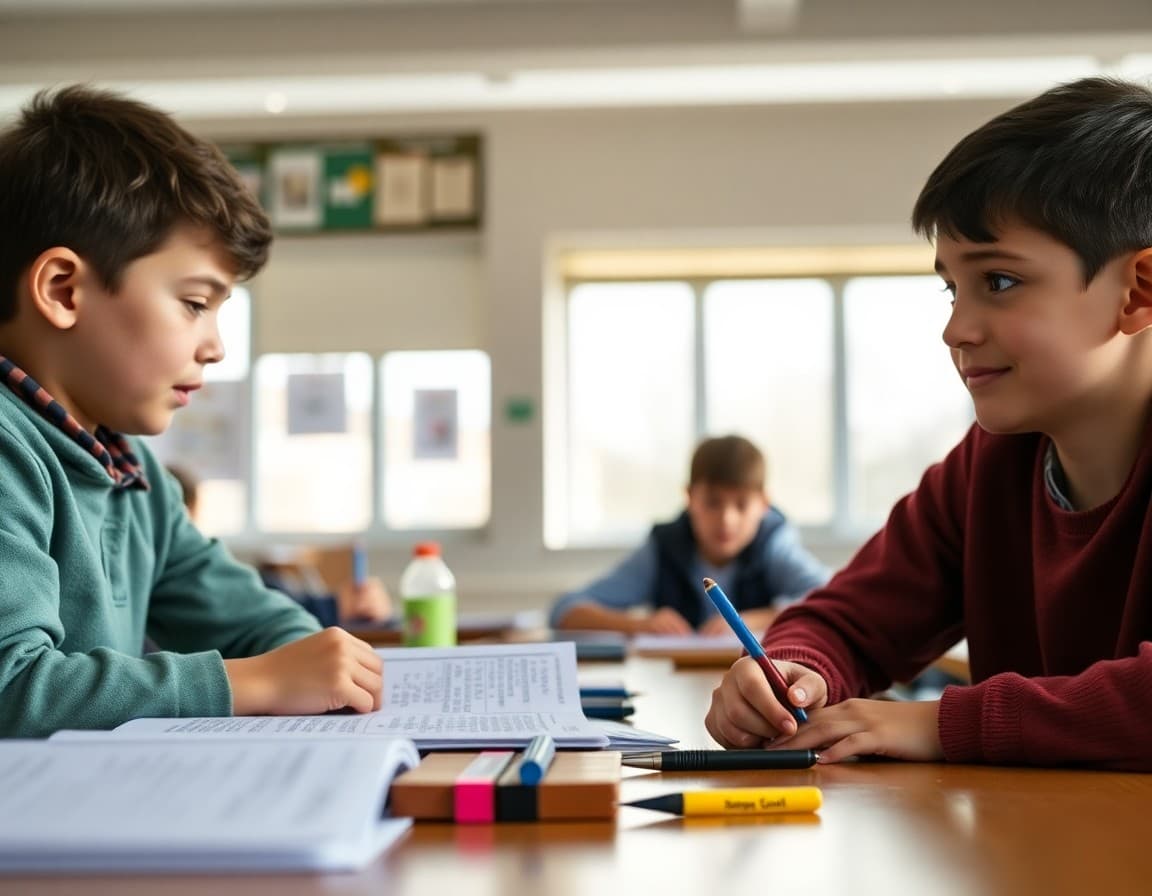
The winter break newsletter is one of the highest-read communications of the school year because it contains information families need immediately: return date, what students should do over break, and what is coming in January. A newsletter that covers these essentials clearly and adds a warm, personal close sends families into the holiday period feeling connected to the school community.
The Essentials: Dates and Return Information
State the first day back from winter break clearly and prominently. Include any changes to the normal school start time, any events on the first day back, and anything students should bring or have completed before returning. Families who know the return date with certainty plan their December accordingly. A newsletter that buries this information or assumes families already know it generates unnecessary questions.
What Students Should Do Over Break
Give families a brief, non-pressuring note about what students can do over break to maintain their learning. Read for pleasure -- any book, in any language, for any amount of time each day. Practice math facts if the student is working on fluency. Review notes for any tests scheduled in the first week of January. Avoid framing this as homework -- frame it as staying connected to the habits that make the second semester a smooth start rather than a recovery period.
What Is Coming in January
Preview two or three things families should know about January. A unit starting in the first week. A performance or project deadline in mid-January. State testing windows opening in January. Any new staff or program changes starting in the new year. Families who have a clear picture of what January holds make better decisions about how to use the last days of December.
Mental Health Over the Holidays
Acknowledge briefly that the holiday period is emotionally complex for many families. Students who are in difficult home situations may find extended family time challenging. Students who have lost a family member may find the holidays particularly hard. A brief note about counseling resources available in January, and a reminder that the counselor is accessible immediately after break, plants the seed that support is available without singling out any specific student.
Community Resources During the Break
Note any community resources available over the break: free meal programs for students who rely on school meals, library programs, community center activities, and any holiday assistance programs for families who need them. This brief resource section is low-effort to add and reaches families in meaningful need.
A Genuine Seasonal Reflection
Include a brief personal reflection from the principal or a teacher about what made the first semester meaningful. One specific moment. One thing the community accomplished. One thing the writer is looking forward to in the second semester. This kind of personal close connects families to the people who care for their children and reminds them that the school is a community, not just an institution.
See You in January
Close with a warm, specific send-off. Not 'have a wonderful holiday' but something real. 'We are genuinely looking forward to seeing your families in January. Take care of each other, rest if you can, and know that the people in this building are grateful to be part of your children's lives.' That kind of specific, human close is what families remember from the last communication of the year.
Get one newsletter idea every week.
Free. For teachers. No spam.
Frequently asked questions
What should this newsletter cover?
Lead with what your school is specifically doing or observing this month. Connect the theme to family action at home, name who at school to contact, and include one community resource. Specific, school-rooted content gets read. Generic awareness content gets archived.
When should it go out?
The week before or the first week of the relevant observance. Families need lead time to participate in events, prepare for activities, or have conversations with their children. A newsletter that arrives after the observance has started is contextual but misses the action window.
How do you make it feel personal rather than institutional?
Name specific students, staff, or community members. Share a classroom activity in progress. Include a direct quote from a teacher, counselor, or student. Specificity is what makes a school newsletter feel like it comes from people who care, not from a template.
How does Daystage help with this newsletter?
Daystage lets school staff create a clean, formatted newsletter and send it to all families' inboxes in minutes. Templates can be reused each year for recurring observances. Families receive the newsletter directly in their email and can reply to ask questions.
Should it include community resources?
Yes, briefly. One or two relevant organizations or helplines make the newsletter useful beyond school hours. Families who find a practical resource in a school newsletter develop trust in the school as a community hub, not just an educational institution.

Adi Ackerman
Author
Adi Ackerman is a former classroom teacher and curriculum writer with 8 years in K-8 schools. She writes about school communication, parent engagement, and what actually works in real classrooms.
More for Community Outreach
Ready to send your first newsletter?
3 newsletters free. No credit card. First one ready in under 5 minutes.
Get started free