
School Newsletter: First Semester Review and December Highlights
The December semester review newsletter is the final substantive communication of the first half of the school year. It arrives when families are reflecting on how the year has gone and beginning to think about what the second semester should look like. A newsletter that closes the first semester with genuine recognition, honest reflection, and forward momentum sets a strong foundation for January.
First Semester Accomplishments
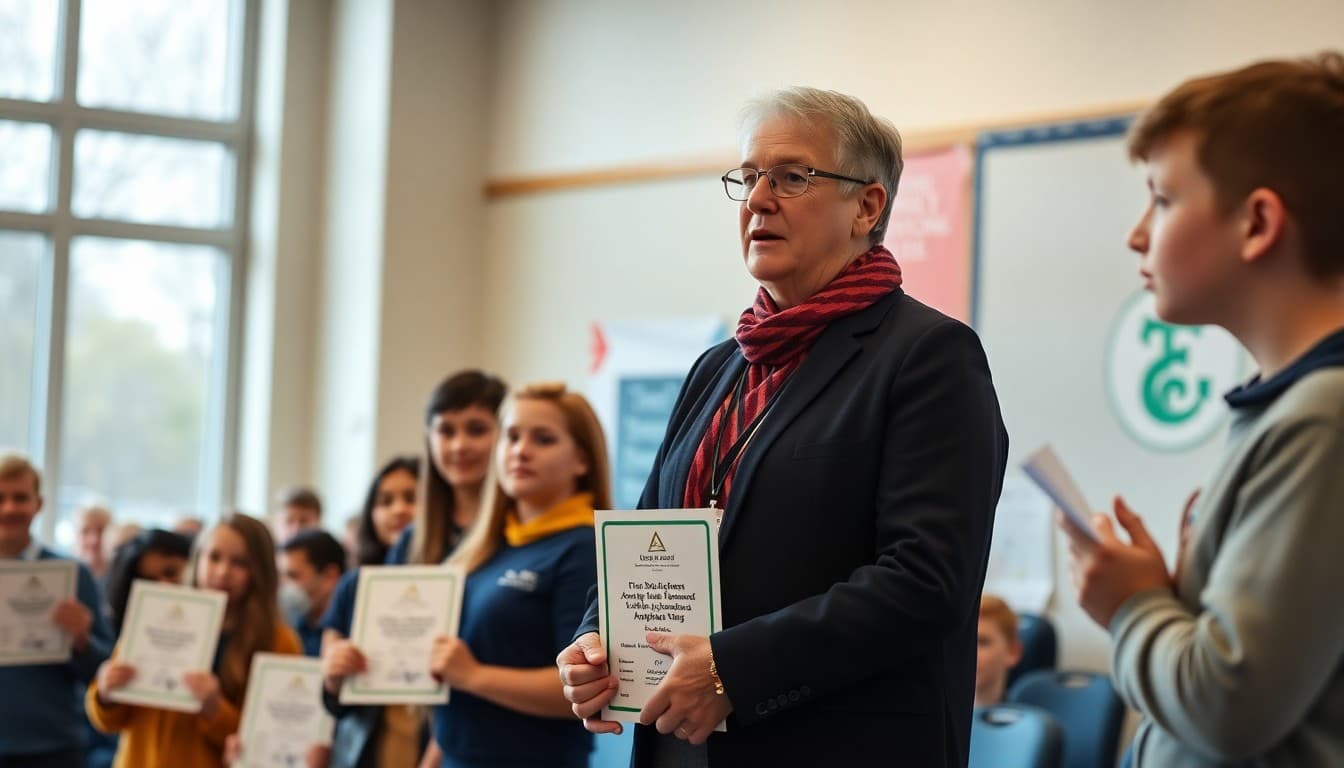
Open with a specific, celebratory summary of what the school community accomplished in the first semester. Not abstract goals met but actual things that happened: a school-wide reading program that hit a milestone, a community partnership that launched, a grade level that significantly improved attendance from last year, a student organization that organized its first event. Specific accomplishments are worth naming. General assertions of success are not.
Academic Highlights
Share two or three academic highlights from the semester. A class that produced exceptional project-based learning work. A group of students who accelerated significantly in a targeted area. An assessment result that shows growth the school is proud of. Share these with appropriate specificity -- celebrate the progress without comparing students or shaming classrooms that struggled.
What the Data Shows
A brief, honest data note -- without naming individual students or classrooms -- gives families a realistic picture of where the school is at the midpoint. If attendance is a concern, say so and describe what is being done. If a specific academic area shows consistent growth, mention it. Families who receive honest, brief data communication trust the school more than families who receive only positive news every semester.
Recognizing Challenging Moments
A semester review that acknowledges the hard parts alongside the wins is more credible than one that is entirely celebratory. A difficult stretch in October that required adjustments. A community event that did not go as planned but produced valuable learning. A collective challenge the school is still working through. Honest acknowledgment of difficulty alongside genuine recognition of progress is the mark of an organization families can trust.
December Events Before Break
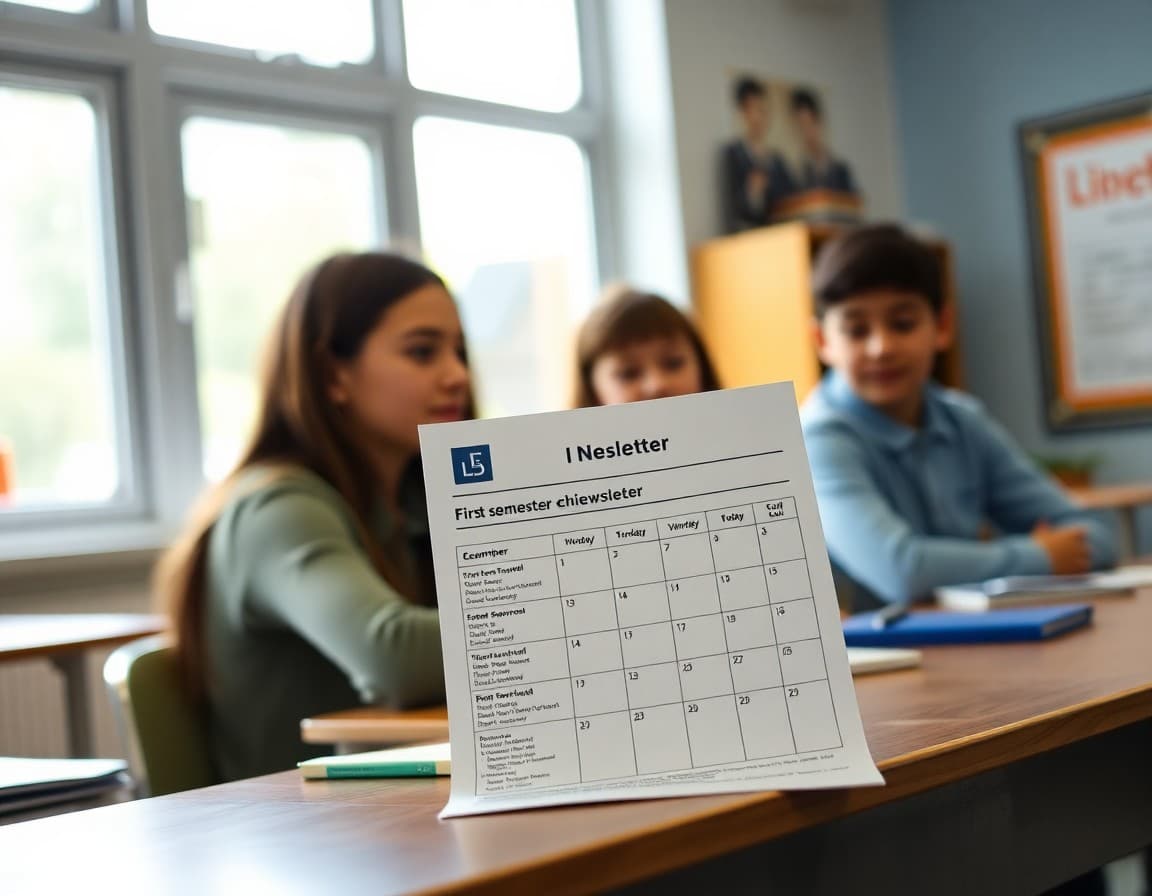
List every December event remaining before winter break: concerts, parties, last days of specific programs, final exams or project deadlines, winter sports schedules. Complete information for each. Families managing the December calendar need this information clearly in one place.
A Note on Progress Reports and Grades
Briefly explain how families will receive first-semester grades or progress reports: the date, the platform, and what to do with any concerns before the winter break. Families who receive clear grade reporting information before break can have productive conversations with their children during the holiday period without needing to wait until January conferences.
Looking Forward to January
Close with a genuine, specific preview of what the second semester holds. A new unit starting in January. A community event the school has been building toward. A program launching that families have been asking about. Ending the semester review newsletter with forward momentum -- something worth coming back for -- closes the semester on an energizing note rather than a bureaucratic one.
Get one newsletter idea every week.
Free. For teachers. No spam.
Frequently asked questions
What should this newsletter cover?
Lead with what your school is specifically doing or observing this month. Connect the theme to family action at home, name who at school to contact, and include one community resource. Specific, school-rooted content gets read. Generic awareness content gets archived.
When should it go out?
The week before or the first week of the relevant observance. Families need lead time to participate in events, prepare for activities, or have conversations with their children. A newsletter that arrives after the observance has started is contextual but misses the action window.
How do you make it feel personal rather than institutional?
Name specific students, staff, or community members. Share a classroom activity in progress. Include a direct quote from a teacher, counselor, or student. Specificity is what makes a school newsletter feel like it comes from people who care, not from a template.
How does Daystage help with this newsletter?
Daystage lets school staff create a clean, formatted newsletter and send it to all families' inboxes in minutes. Templates can be reused each year for recurring observances. Families receive the newsletter directly in their email and can reply to ask questions.
Should it include community resources?
Yes, briefly. One or two relevant organizations or helplines make the newsletter useful beyond school hours. Families who find a practical resource in a school newsletter develop trust in the school as a community hub, not just an educational institution.

Adi Ackerman
Author
Adi Ackerman is a former classroom teacher and curriculum writer with 8 years in K-8 schools. She writes about school communication, parent engagement, and what actually works in real classrooms.
More for Community Outreach
Ready to send your first newsletter?
3 newsletters free. No credit card. First one ready in under 5 minutes.
Get started free