
New Semester School Newsletter: Fresh Start for the New Year
Welcome Back With Genuine Warmth
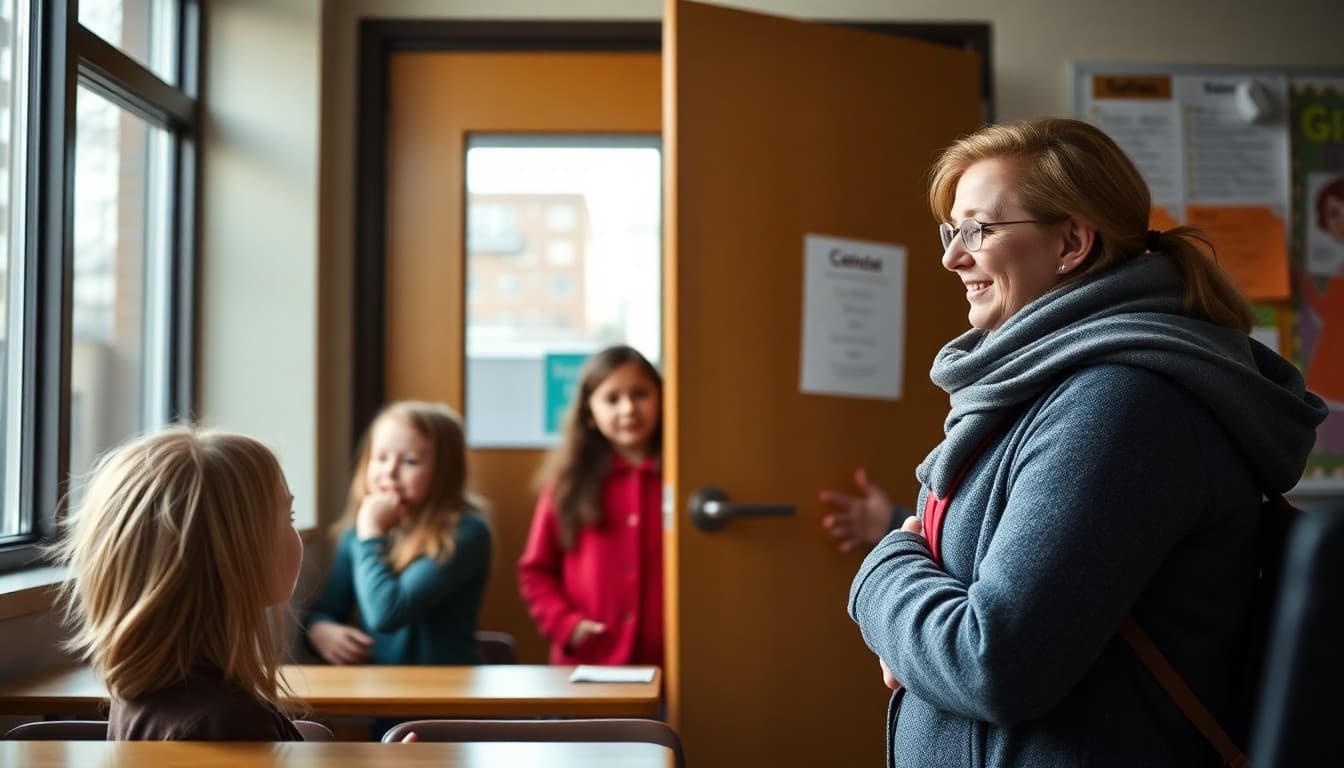
Open the new semester newsletter with a specific, personal welcome back. Not 'we hope you had a wonderful holiday' -- something real. 'We are genuinely excited to have everyone back. The building feels right again when it is full.' That kind of specific, honest welcome sets a tone that says the school is a place where families belong, not just a service provider their child uses during school hours.
A Brief First-Semester Reflection
Two to three sentences acknowledging what the community accomplished in the first semester builds momentum for the second. 'We started the year with a new principal, launched a reading intervention program that served 40 students, and raised $12,000 for the school garden through the fall fundraiser.' Families who see a specific accounting of what was accomplished trust that the school is moving in a direction worth following.
Second-Semester Academic Goals
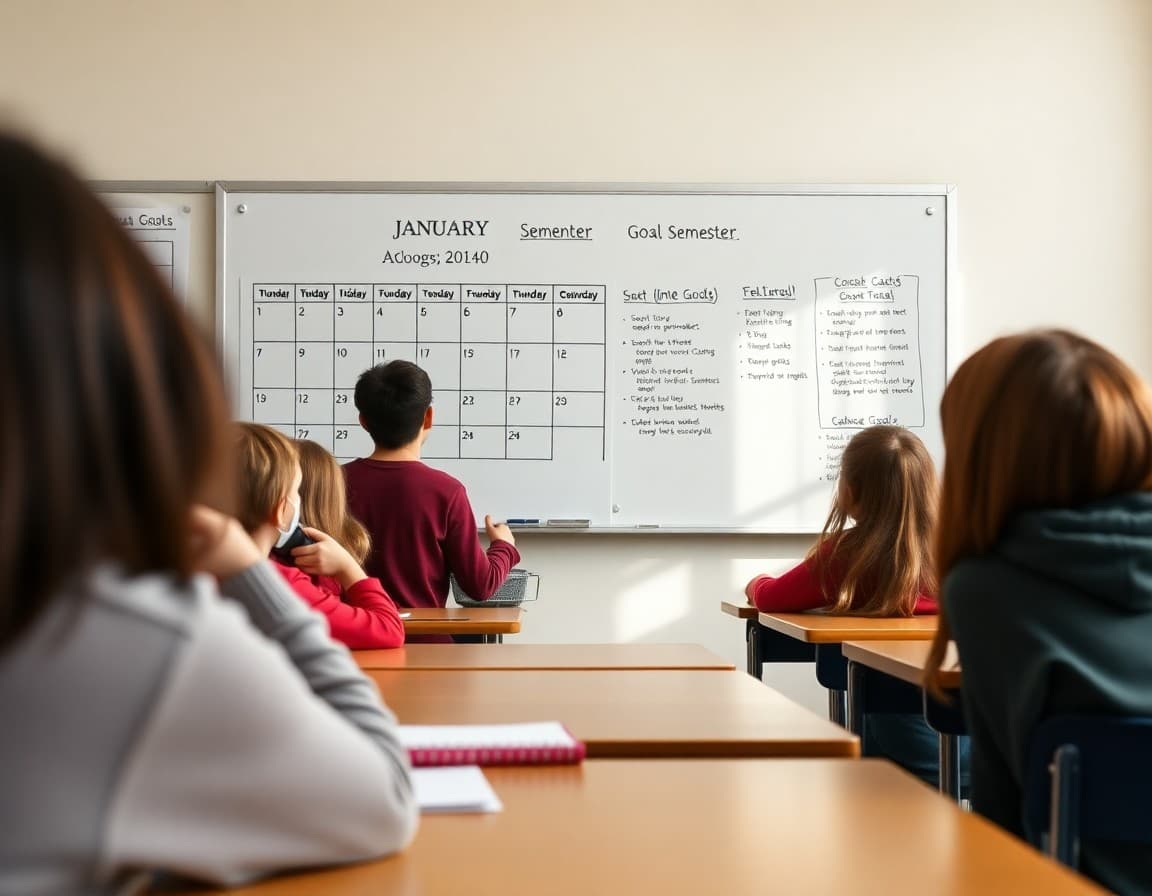
Share one or two specific academic goals for the second semester at the classroom or school level. Not standards and benchmarks -- plain language about what students will work on. 'In the second semester, we focus heavily on writing across subjects, and by June every student in grades three through five will have completed a research project in their own voice.' Specific goals give families a way to talk to their children about what is coming.
Key Dates Worth Marking Now
Give families the second-semester dates that matter most in January: testing windows, field trips, parent-teacher conferences, spring break, key project deadlines, end-of-year ceremonies. Families who receive the full calendar at the start of the semester can plan around it. Families who learn about events a week before often cannot make schedule adjustments.
Any Changes Starting This Semester
New staff members. A new program launching in January. A policy change that affects families. Changes to the school schedule. Any new second-semester procedures. Communicating changes clearly at the start of the semester prevents the confusion and rumor-spreading that happen when families notice something different without an explanation. A brief, direct 'here is what is new this semester' section handles all of this in one place.
Reset the Communication Rhythm
The new semester newsletter re-establishes the communication cadence between school and home. Remind families of the newsletter schedule, how to reach teachers, how to access the parent portal, and any new communication tools the school is using in the second semester. Families who drifted from active engagement over winter break need a re-invitation, not an assumption that they are already back up to speed.
Invite Families to a January Event
Include one in-person or virtual event invitation in the new semester newsletter. A curriculum night. A new-year parent Q&A with the principal. A meet-the-counselor session. Even a simple coffee with the principal. January family events that are communicated early have strong attendance because families are not yet overcommitted with the second-semester schedule. One early touchpoint in January builds engagement that sustains through the spring.
Get one newsletter idea every week.
Free. For teachers. No spam.
Frequently asked questions
What should a new semester school newsletter cover?
A warm welcome back from winter break. A brief reflection on first-semester highlights. Second-semester academic and community goals. Key dates for the semester including state testing windows if relevant. Any new programs, policies, or staffing changes starting in January. And a clear communication path for families to reach their child's teacher with any concerns from the first semester.
When should the new semester newsletter go out?
The first week back from winter break, ideally on the first or second day. Families returning from break are re-engaging with school communications and are in a good frame of mind to absorb planning information for the second half of the year. A newsletter that arrives during the first week back catches families at the right moment.
How do you address students who struggled in the first semester in the newsletter?
Without naming individuals, acknowledge that some students will be entering the second semester with recovery goals and that additional support is available. Tell families who to contact if they have concerns about their child's first-semester performance. Frame the second semester as a genuine fresh start -- because for most students who struggled, a clear reset message with concrete support options changes the trajectory of their year.
Should the new semester newsletter mention standardized testing?
If state or district testing falls in the second semester, mention it early and briefly. Give families the testing window dates. Note what students can do to prepare. Avoid language that increases test anxiety. Families who know when testing is scheduled can support good sleep, attendance, and home study habits in the weeks before. A brief, practical mention is more helpful than an overly detailed testing newsletter sent right before the tests.
How does Daystage support new semester school communication?
Daystage lets teachers and principals create a formatted new semester newsletter and send it to all families on the first day back. The newsletter arrives directly in the family inbox and can be replied to with questions. A well-timed second-semester kickoff through Daystage re-establishes the communication rhythm that may have lapsed during winter break.

Adi Ackerman
Author
Adi Ackerman is a former classroom teacher and curriculum writer with 8 years in K-8 schools. She writes about school communication, parent engagement, and what actually works in real classrooms.
More for Community Outreach
Ready to send your first newsletter?
3 newsletters free. No credit card. First one ready in under 5 minutes.
Get started free