
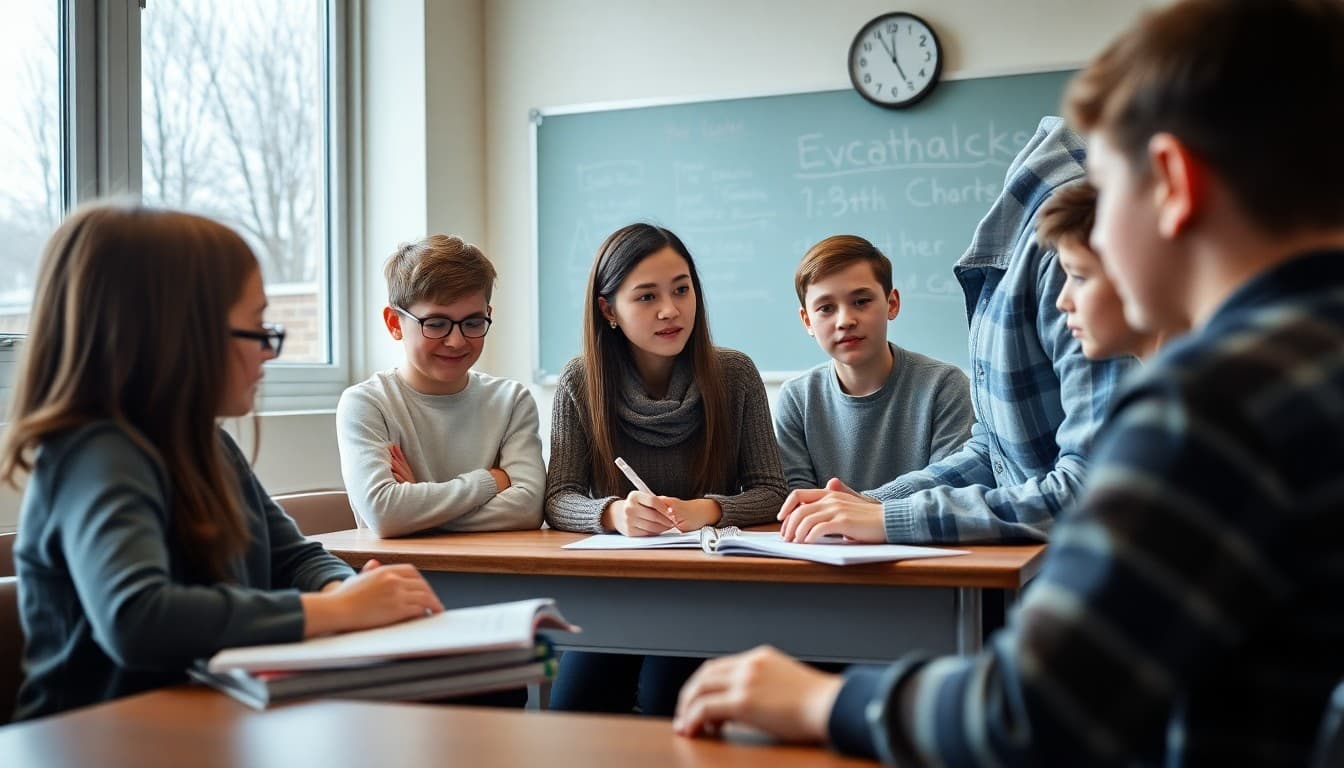
School Newsletter: Preparing for the New Year Ahead in School
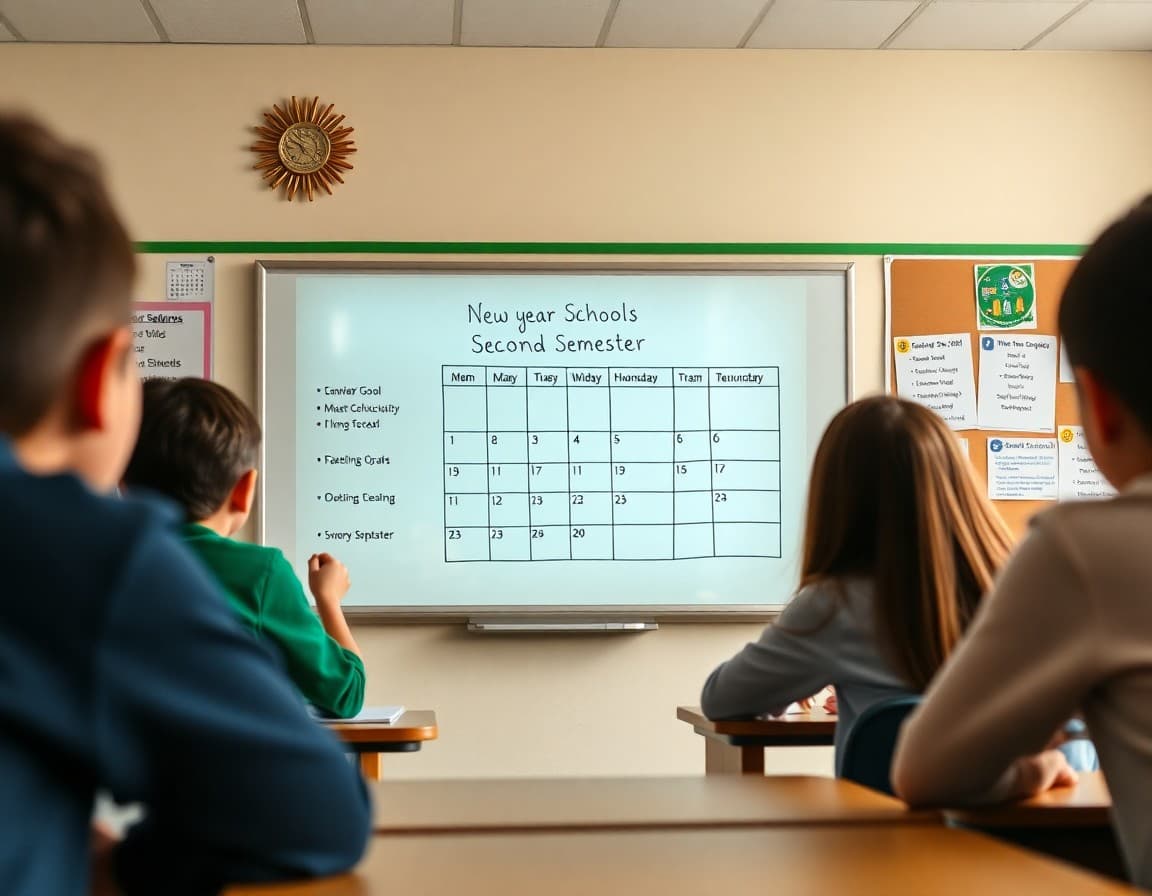
The new year preparation newsletter bridges the holiday break and the second semester. Families who receive a thoughtful, forward-looking message in late December or the first week of January arrive at the first day back with a plan, a mindset, and a reason to be engaged. Families who hear nothing until the first day often take two or three weeks to re-engage with the school year at full energy.
Goal-Setting as a School Community
Describe the goal-setting process happening in classrooms at the start of January. Students reflecting on first-semester growth and setting specific, measurable goals for the second semester. A class community goal around reading, behavior, or project quality. A school-wide focus area for the spring. When families understand that their children are engaged in intentional goal-setting at school, they are more likely to support and reinforce that process at home.
Goal-Setting Conversation Starters for Families
Give families specific questions to discuss with their children over the break or in the first days of January. 'What is one thing about school you want to be different in the second semester?' 'What is one skill you want to get better at before June?' 'What do you wish you had done differently in the first semester?' These questions, used at home, extend the goal-setting work the school is doing and build the family-school partnership that research links to academic success.
Second-Semester Academic Preview
Give families a plain-language preview of the major academic work in the second semester. New units, new skills, significant projects. Not the curriculum framework -- the actual content. A fifth-grade class beginning their first independent research project. A high school class transitioning from foundational algebra to applied problem-solving. Families who know what is coming can prepare their children emotionally and logistically for what the second semester requires.
The Schedule for the First Week Back
Describe the schedule for the first week of the new semester. Any changes to the normal schedule on the return day. Events happening in the first week. Any assessments or project deadlines in the first ten days. Families who know what to expect in the first week help their children prepare rather than starting the semester in catch-up mode.
Mental Health Reset After Break
Acknowledge that returning from a long break is emotionally complex for some students. Some students are relieved to return to structure. Others are anxious about transitions, academic pressure, or social dynamics. A brief note that the school counselor is available from the first day back removes the barrier that keeps families from reaching out early when their child is struggling to transition.
Community Events in January
List any parent-facing events scheduled for January with complete information. A curriculum night, a parent information session, the first PTA meeting of the year, a community event. January events that are communicated before families return from break have higher attendance because families can add them to their calendars before the schedule fills up.
A Note of Genuine Optimism
Close with a specific, honest statement of what the school is looking forward to in the second semester. Not a generic expression of hope -- something real. A project the teachers have been planning. A partnership launching in February. A community event that the staff is especially excited about. Genuine, specific optimism from the school's leadership is contagious. Families who start January knowing the school is energized about the coming months arrive at drop-off with a different energy than those who begin the semester with no particular reason for anticipation.
Get one newsletter idea every week.
Free. For teachers. No spam.
Frequently asked questions
What should this newsletter cover?
Lead with what your school is specifically doing or observing this month. Connect the theme to family action at home, name who at school to contact, and include one community resource. Specific, school-rooted content gets read. Generic awareness content gets archived.
When should it go out?
The week before or the first week of the relevant observance. Families need lead time to participate in events, prepare for activities, or have conversations with their children. A newsletter that arrives after the observance has started is contextual but misses the action window.
How do you make it feel personal rather than institutional?
Name specific students, staff, or community members. Share a classroom activity in progress. Include a direct quote from a teacher, counselor, or student. Specificity is what makes a school newsletter feel like it comes from people who care, not from a template.
How does Daystage help with this newsletter?
Daystage lets school staff create a clean, formatted newsletter and send it to all families' inboxes in minutes. Templates can be reused each year for recurring observances. Families receive the newsletter directly in their email and can reply to ask questions.
Should it include community resources?
Yes, briefly. One or two relevant organizations or helplines make the newsletter useful beyond school hours. Families who find a practical resource in a school newsletter develop trust in the school as a community hub, not just an educational institution.

Adi Ackerman
Author
Adi Ackerman is a former classroom teacher and curriculum writer with 8 years in K-8 schools. She writes about school communication, parent engagement, and what actually works in real classrooms.
More for Community Outreach
Ready to send your first newsletter?
3 newsletters free. No credit card. First one ready in under 5 minutes.
Get started free