

School Newsletter: Teacher Appreciation Week Celebration
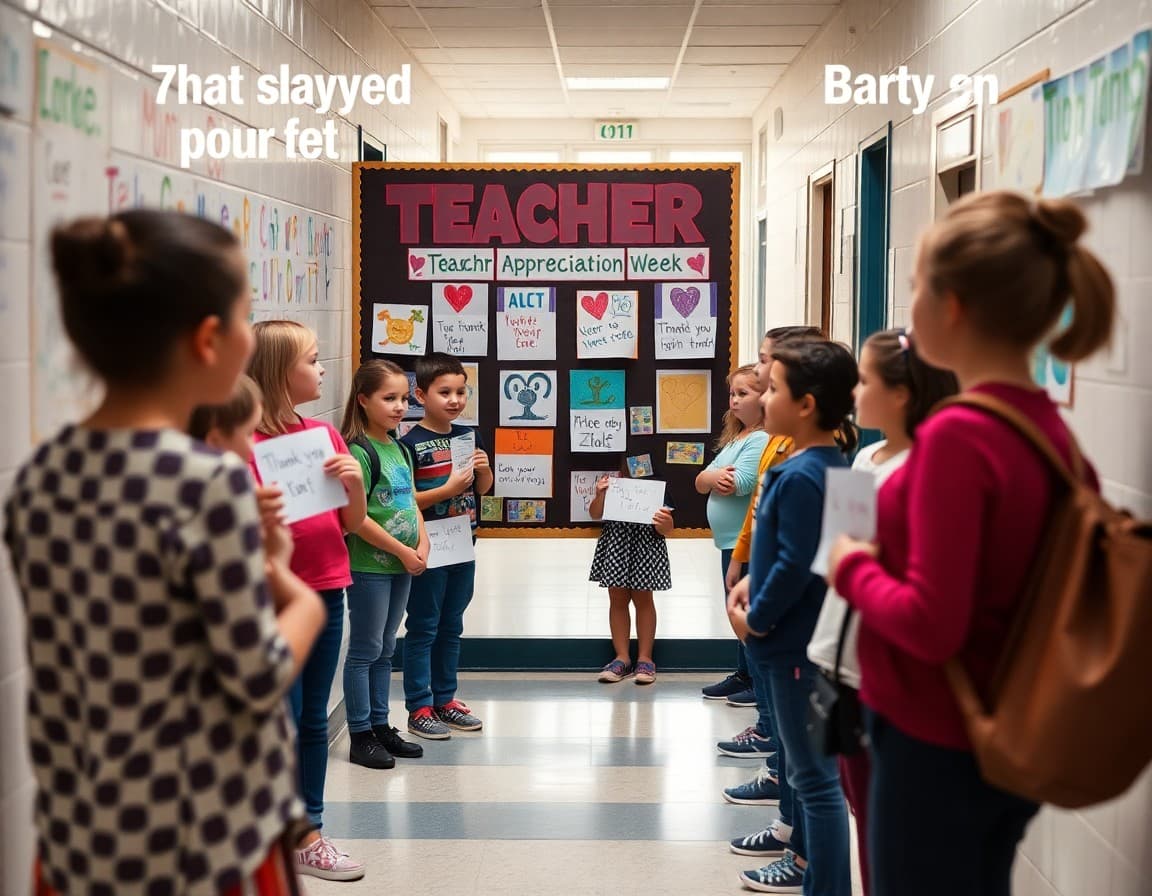
Teacher Appreciation Week in early May is one of the most universally recognized school celebrations -- and one of the most commonly reduced to gesture rather than genuine recognition. A newsletter that helps families express real, specific gratitude rather than generic thanks transforms appreciation week from a compliance exercise into something that means something to the teachers who receive it.
What Teachers Do Beyond Teaching
Many families see teachers only in the narrow frame of classroom instruction. A brief paragraph that describes what teachers actually do -- curriculum design, individualized lesson adaptation, parent communication, professional development, SEL integration, administrative paperwork, emotional support for students facing difficulties -- builds genuine appreciation for the scope of the role. Recognition that is grounded in real understanding lands differently than a generic thank you.
How Families Can Participate
Give families three concrete ways to participate in teacher appreciation week: a handwritten note from the student describing one specific thing the teacher did that mattered to them, a family email to the teacher expressing appreciation with a specific memory, and participation in any school-organized appreciation events. Specific guidance produces specific action. 'Show your teacher some love' produces nothing.
What Teachers Actually Want
Ask a few teachers what they genuinely find meaningful during appreciation week and share anonymized responses in the newsletter. Some want a quiet coffee and a handwritten card. Some are moved by a specific memory a student shares. Some want a parent's honesty that the year was hard but meaningful. Sharing what teachers actually value over what they typically receive gives families useful guidance and makes the newsletter feel real.
Name Every Teacher
The most read section of any teacher appreciation newsletter is the list of every teacher by name. Include every instructional staff member: classroom teachers, specials teachers, learning support staff, paraprofessionals, substitutes who have been working with the school all year. Families who see their child's teacher named in print participate in recognition in a way that no general appreciation message can replicate.
Classroom Wish Lists
Many teachers spend personal money on classroom supplies. Teacher appreciation week is a natural moment to share classroom wish lists and give families an easy way to contribute. Be specific: a particular book, a specific supply item, a gift card to a particular retailer the teacher uses for supplies. Contributions that come from specific knowledge feel more like genuine gifts than random consumables.
Teacher Recognition That Lasts Beyond the Week
One of the most meaningful things a school can do during appreciation week is commit to year-round practices that show teachers they are valued: adequate planning time, administrative support, a culture where teacher input shapes school decisions, and working conditions that make the job sustainable. A newsletter that connects appreciation week to these year-round commitments signals to teachers and families that the school's appreciation is structural, not just symbolic.
What Good Teaching Makes Possible
Close with a genuine statement about what exceptional teaching does for students -- not in abstract terms, but in specific, observable ways. The student who arrived anxious in September and left in June with confidence. The child who could not read at grade level in October and caught up by April because a teacher stayed after school three days a week to work with them. These are the outcomes that teacher appreciation week ultimately celebrates. Connect the recognition to the outcomes, and the week becomes genuinely meaningful.
Get one newsletter idea every week.
Free. For teachers. No spam.
Frequently asked questions
What should this newsletter cover?
Lead with what your school is specifically doing to observe or celebrate this topic. Then connect it to family action at home, community resources, and who to contact at school for more information. Generic awareness newsletters are ignored. Specific, school-rooted newsletters get read and shared.
When should the school send it?
The week before or the first week of the relevant observance. Families need enough lead time to participate in events, prepare for activities, or have conversations with their children. A newsletter that arrives after the observance has started is contextual but misses the action window.
How do you keep it from feeling generic?
Name specific students, staff, or community members. Share a specific classroom activity in progress. Connect the theme to something real happening in the building this week. Specificity is what separates a newsletter that gets shared from one that gets archived.
Should it include community resources?
Yes, briefly. One or two relevant organizations or helplines, with contact information. Families who find a useful resource in a school newsletter develop trust in the school as a community hub, not just an educational institution.
How does Daystage help send this newsletter?
Daystage lets school staff create a clean, formatted newsletter and send it directly to all families' inboxes. You write the content, Daystage handles the formatting and delivery. Families receive it in their inbox and can reply directly to follow up.

Adi Ackerman
Author
Adi Ackerman is a former classroom teacher and curriculum writer with 8 years in K-8 schools. She writes about school communication, parent engagement, and what actually works in real classrooms.
More for Community Outreach
Ready to send your first newsletter?
3 newsletters free. No credit card. First one ready in under 5 minutes.
Get started free