

School Newsletter: Celebrating Our School Counselors This Week
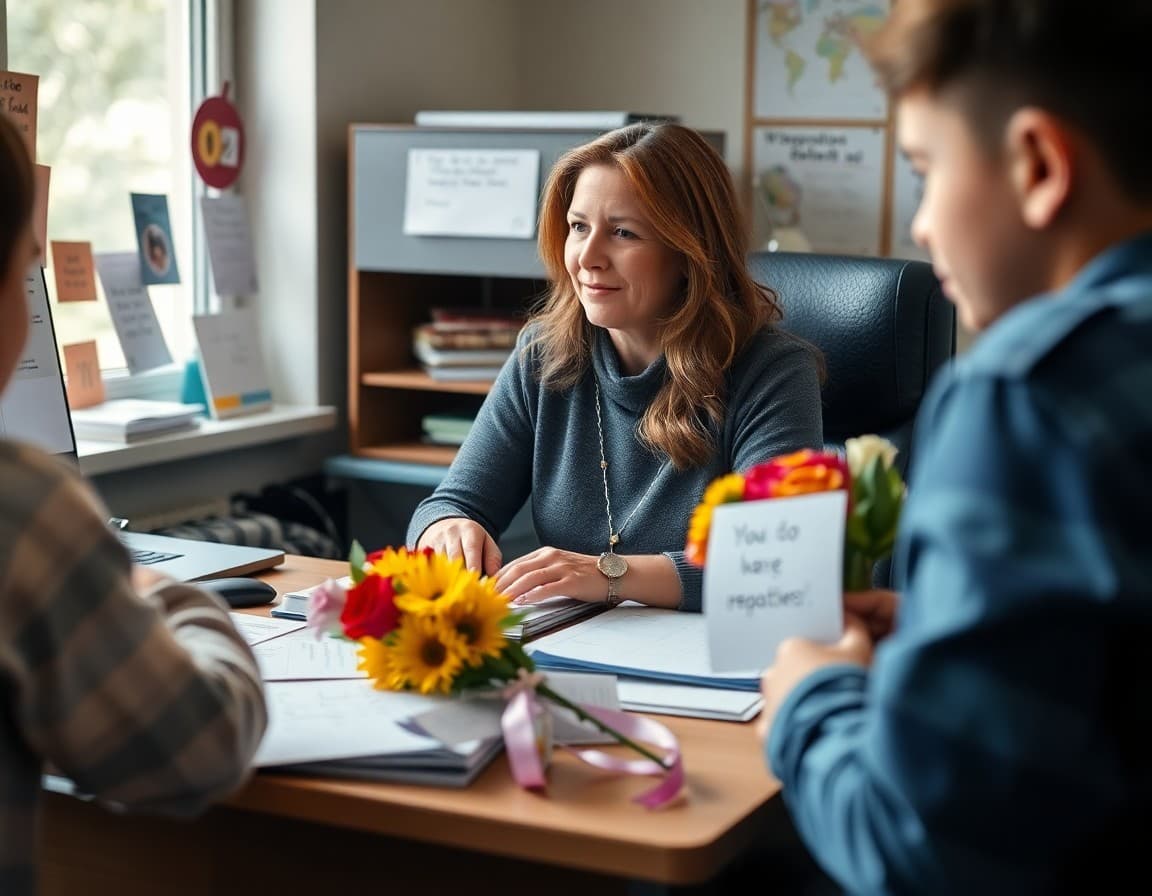
School counselors are among the most important adults in a school building and among the least visible to families who do not have a child in crisis. School Counselor Appreciation Week is the right time to change that -- to show families the full scope of what counselors do every day and to give families a meaningful way to express genuine appreciation.
What School Counselors Actually Do
Many families think of the school counselor as someone students see when they are in trouble. The reality is much broader. Counselors provide individual support for academic, social, and emotional challenges. They run small groups for students navigating specific life situations. They help students develop college and career awareness. They coordinate crisis response. They consult with teachers on classroom support strategies. A newsletter that explains this full role helps families understand who to call and when.
Introduce the Counselor as a Person
Appreciation week is a natural moment for the counselor to contribute a personal note to the newsletter. A brief introduction: how long they have been at the school, what they love about their work, one thing they wish every family knew about the counseling services available. Families who know the counselor's name and something about their personality are far more likely to reach out when their child needs support.
Specific Ways Families Can Show Appreciation
Give families concrete ways to participate in appreciation week. A card from their child. A note of thanks emailed to the counselor directly. A class-authored appreciation letter organized by the teacher. These gestures matter more than families realize -- counselors often work in isolation without the daily positive feedback that teachers receive from students in the classroom.
Student Outcomes Counselors Support
Share two or three anonymized examples of the kinds of challenges counselors help students navigate. A student who struggled with transition anxiety and learned coping strategies that let them engage more fully in class. A student whose academic difficulties turned out to be linked to a home stressor the counselor helped address with the family. These examples, told without identifying details, make the counselor's impact concrete and human.
How to Access Counseling Services
Use appreciation week as a reminder of how families can access counseling services. Email the counselor directly. Ask the teacher to make a referral. Contact the front office. Note the typical response time. Families who know how to access services use them earlier, before concerns become crises. Appreciation week is a natural moment to pair recognition with practical information.
Counselor Impact on School Culture
A school counselor does not just serve individual students -- they influence the whole school's culture around wellbeing, empathy, and conflict resolution. SEL programming, anti-bullying initiatives, peer mediation programs, and staff professional development on trauma-informed practices often run through the counselor's office. Naming this broader cultural role helps families understand that supporting the counselor position is supporting the whole school community.
Year-Round Access, Not Just in Crisis
Close the appreciation week newsletter with a reminder that counseling services are available year-round for any need, not just crises. Students can request to meet with the counselor for support with a hard friendship situation, a difficult class, college application stress, or any other challenge. Families can contact the counselor with concerns without waiting for something serious to happen. Early access to support prevents the escalation that requires crisis response.
Get one newsletter idea every week.
Free. For teachers. No spam.
Frequently asked questions
What should a Celebrating Our School Counselors This Week newsletter cover?
The most effective newsletters for this observance cover three things: what the school is doing to recognize or celebrate the month or week, how families can participate or reinforce the themes at home, and who at school to contact for more information or to get involved. Lead with the specific activities happening at school, not with a generic description of the observance. Families respond to what is real and local, not to national awareness month statistics.
When should the school send this newsletter?
The week before or the first week of the observance month or week. Families need enough lead time to participate in any events, volunteer for relevant activities, or have informed conversations with their children about the topics being raised at school. A newsletter that arrives after the week has already started is useful for context but misses the participation window.
How do you keep this kind of observance newsletter from feeling generic?
Connect every awareness month or week to something specific happening in your school building. A student who shared their experience. A classroom project in progress. A community organization the school is partnering with. A specific action families can take this week. Generic awareness newsletters list facts about the month. Specific newsletters tell families what their community is actually doing about it.
Should the newsletter include community resources?
Yes, briefly. Include one or two community organizations or helplines relevant to the observance if appropriate. For mental health awareness months, crisis lines. For financial literacy month, free local resources. For heritage months, community cultural organizations. This section takes one minute to add and significantly increases the newsletter's value as a community resource beyond school walls.
How does Daystage help schools send observance newsletters?
Daystage lets school staff create a clean, formatted newsletter for any observance month or week and send it to all families in a few minutes. You can include event details, resource links, and family action steps in a mobile-friendly format that arrives directly in every family's inbox. Templates can be reused and adapted each year.

Adi Ackerman
Author
Adi Ackerman is a former classroom teacher and curriculum writer with 8 years in K-8 schools. She writes about school communication, parent engagement, and what actually works in real classrooms.
More for Community Outreach
Ready to send your first newsletter?
3 newsletters free. No credit card. First one ready in under 5 minutes.
Get started free