
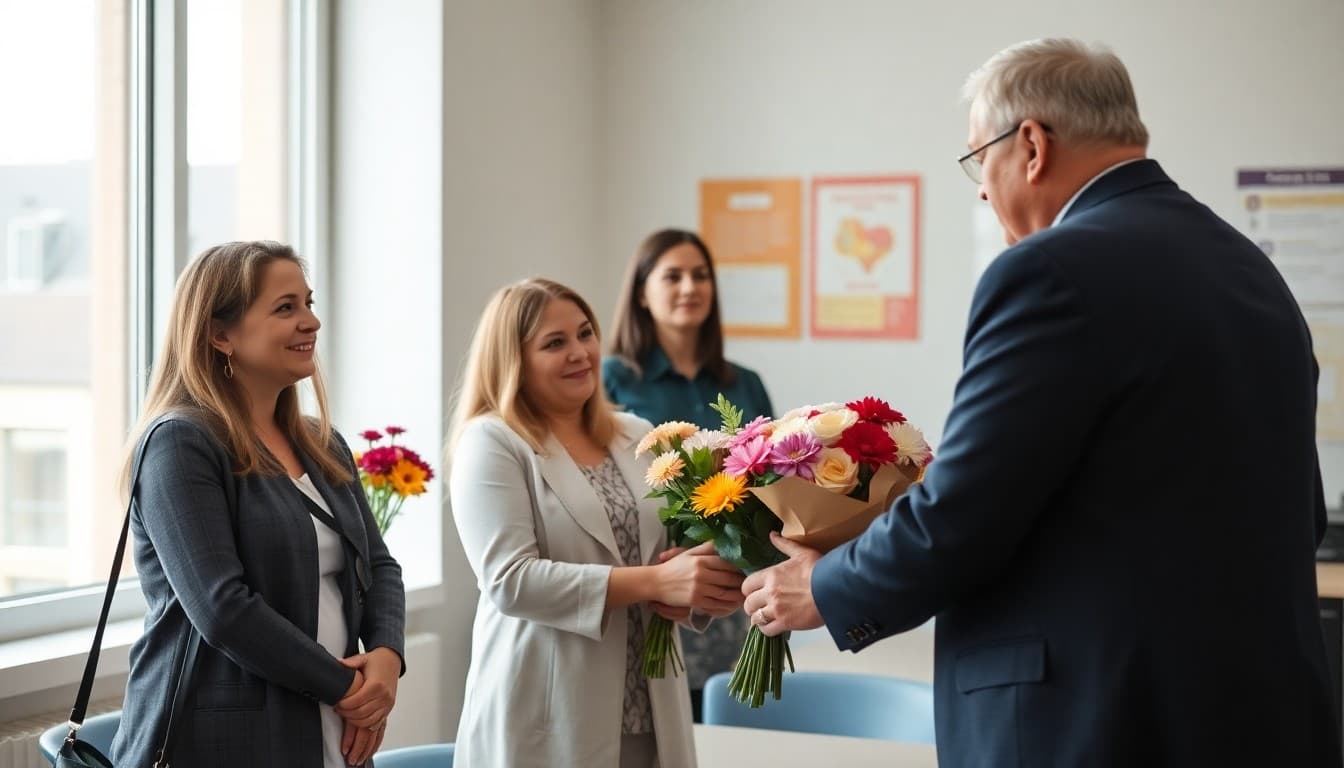
School Newsletter: Appreciating Our Administrative Professionals
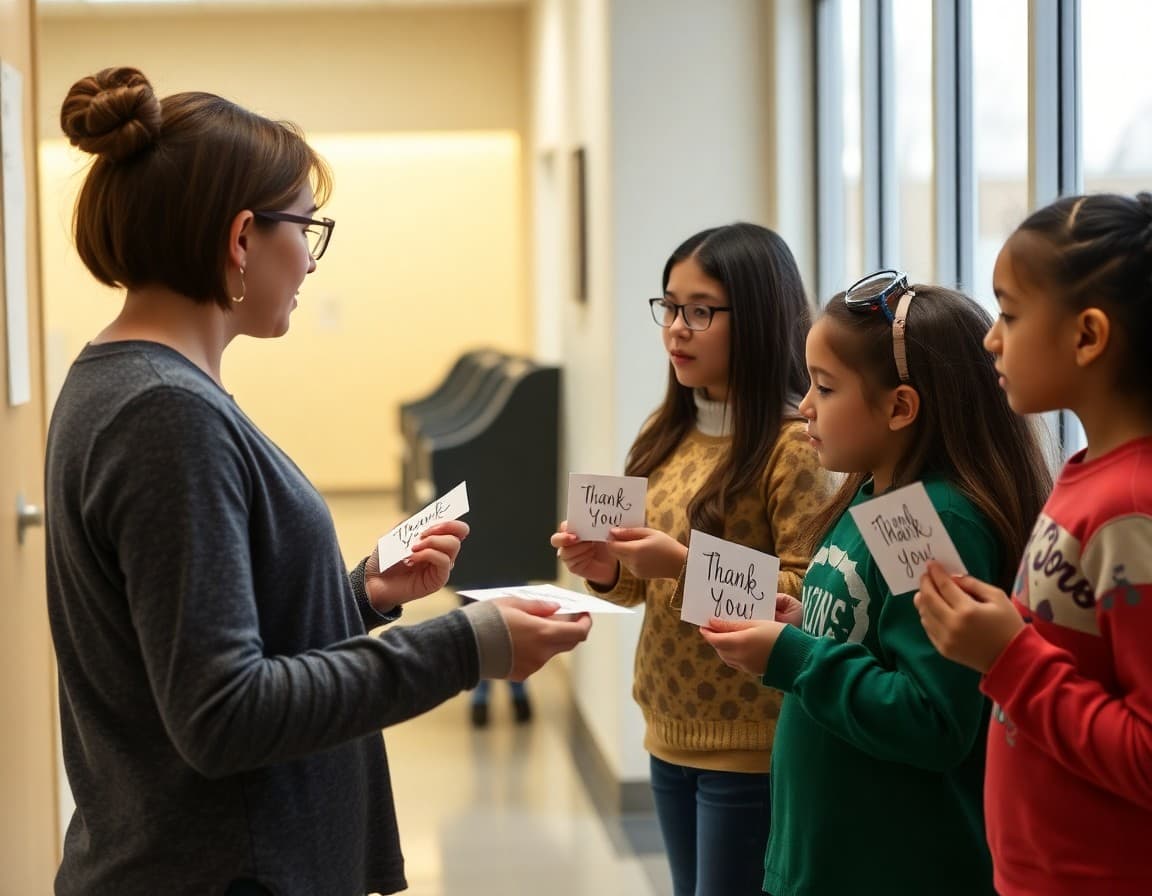
Administrative Professionals Week in late April is an opportunity to recognize the people who keep a school building running: the front office staff, the registrar, the principal's assistant, the attendance coordinator. These are the first people families interact with when they call the school, the people who manage the logistics that allow teachers to teach and students to learn.
What Administrative Professionals Do
Many families interact with school office staff regularly but may not fully understand the range of their responsibilities. School administrative professionals manage attendance, student records, family communication, visitor check-in, health office coordination, scheduling, and the dozen daily logistics that keep the school building functional. A newsletter that names this work specifically builds appropriate appreciation for a role that is easy to take for granted.
The First Point of Contact for Families
School office staff are often the first voice a family hears when they call with a concern, question, or emergency. They are the people who connect families to the right resource, relay messages to teachers, and manage the emotional weight of being a frontline service role in a building full of children and anxious parents. Recognizing that work explicitly in the newsletter acknowledges the relational skill the role requires, not just the administrative function.
How Students and Families Can Show Appreciation
Give families a specific way to participate in appreciation week. A handwritten note from the student to the office staff member they know best. A small gift from the class organized through the room parent. An email from a family that mentions a specific time the office staff helped them. These gestures matter more than most families realize -- administrative professionals often work without the daily student feedback that teachers receive in the classroom.
Name the People Who Serve Your School
Name every administrative professional in the recognition section of the newsletter. Full names and roles. Families who see their children's school community staff named in print take note and feel pride in the organization they are part of. Staff members who see their names in the newsletter feel recognized in a way that a general appreciation message cannot provide.
The Role of Administration in School Safety
Administrative staff are a critical part of school safety infrastructure: they manage visitor check-in, respond to emergencies in real time, coordinate with the principal on security protocols, and serve as the communication hub when something goes wrong. A brief, honest acknowledgment of this safety role connects appreciation week to something families already care deeply about.
Supporting Administrative Staff Year-Round
Appreciation week is the spotlight, but administrative professionals deserve year-round support. Families who arrive at the front office with patience and kindness, who handle administrative requests through proper channels rather than through emotional escalation, who say thank you when a request is processed -- these behaviors make the school's administrative team's work sustainable. A brief note in the newsletter about being a positive partner to the school's administrative staff is a meaningful call to community accountability.
What a Well-Run School Office Makes Possible
Close with a genuine statement about what strong school administration makes possible for teachers and students. Teachers who do not have to manage logistics can focus on instruction. Students who have their needs handled efficiently at the front office feel supported by the institution. Families who trust the school office as a reliable resource engage more confidently with school communication. The administrative team's work is invisible when it is going well and very visible when it is not. This week is the right time to make the invisible visible.
Get one newsletter idea every week.
Free. For teachers. No spam.
Frequently asked questions
What should this newsletter cover?
Lead with what your school is specifically doing to observe or celebrate this topic. Then connect it to family action at home, community resources, and who to contact at school for more information. Generic awareness newsletters are ignored. Specific, school-rooted newsletters get read and shared.
When should the school send it?
The week before or the first week of the relevant observance. Families need enough lead time to participate in events, prepare for activities, or have conversations with their children. A newsletter that arrives after the observance has started is contextual but misses the action window.
How do you keep it from feeling generic?
Name specific students, staff, or community members. Share a specific classroom activity in progress. Connect the theme to something real happening in the building this week. Specificity is what separates a newsletter that gets shared from one that gets archived.
Should it include community resources?
Yes, briefly. One or two relevant organizations or helplines, with contact information. Families who find a useful resource in a school newsletter develop trust in the school as a community hub, not just an educational institution.
How does Daystage help send this newsletter?
Daystage lets school staff create a clean, formatted newsletter and send it directly to all families' inboxes. You write the content, Daystage handles the formatting and delivery. Families receive it in their inbox and can reply directly to follow up.

Adi Ackerman
Author
Adi Ackerman is a former classroom teacher and curriculum writer with 8 years in K-8 schools. She writes about school communication, parent engagement, and what actually works in real classrooms.
More for Community Outreach
Ready to send your first newsletter?
3 newsletters free. No credit card. First one ready in under 5 minutes.
Get started free