

School Newsletter: Celebrating Our School Social Workers
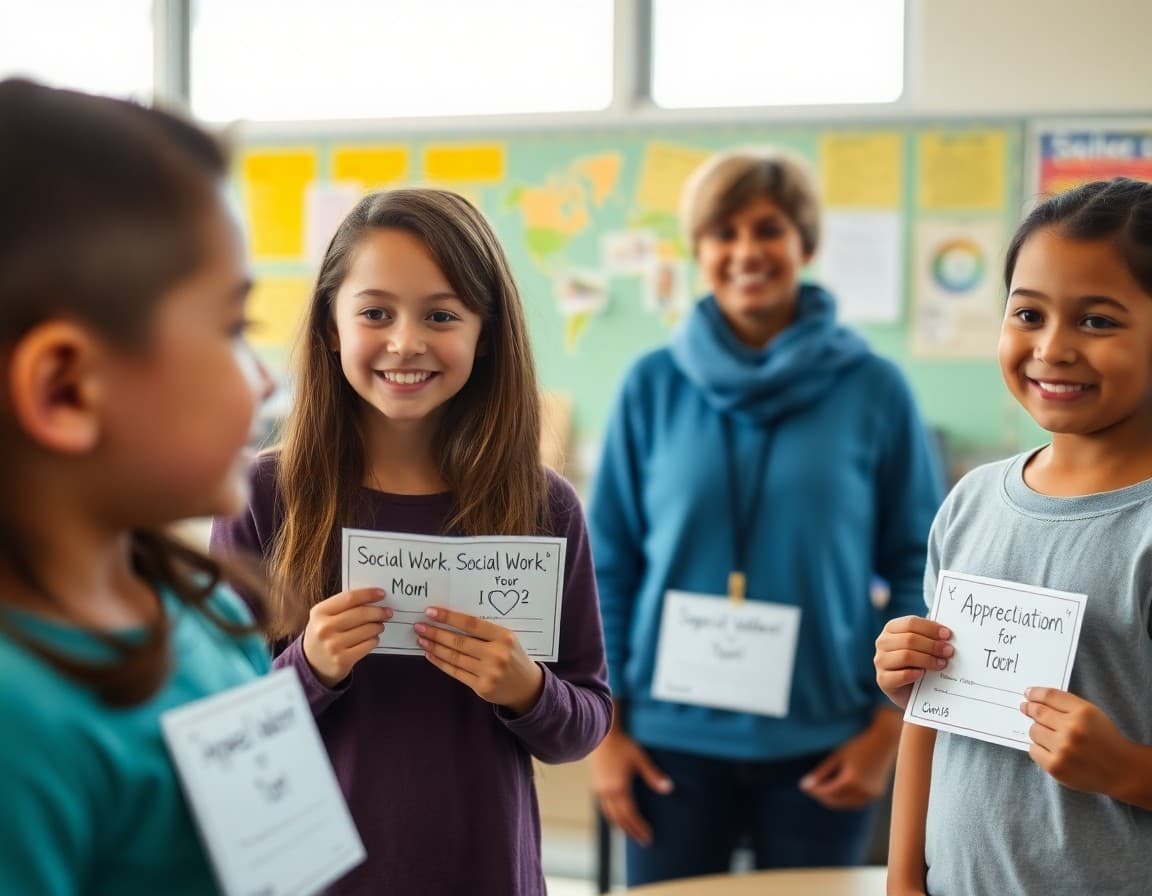
Social Work Month in March is an opportunity to introduce or reintroduce families to one of the most impactful but least understood roles in the school. School social workers bridge the gap between what happens in the school building and what is happening in students' homes and communities. A newsletter that explains this role clearly is one of the most practical things a school can communicate to families all year.
What School Social Workers Do
School social workers address the social and environmental barriers that affect students' ability to learn. They coordinate services for families dealing with housing instability, food insecurity, domestic violence, mental health crises, and child welfare concerns. They connect families to community resources. They work with teachers on classroom accommodation for students facing difficult circumstances. Many families do not know this role exists in the school, or assume it is only for students who are in trouble.
When to Reach Out to the School Social Worker
Give families a specific list of situations where contacting the social worker is the right first step. A child who has suddenly withdrawn and seems sad or anxious. A family facing eviction or housing crisis. A parent who is concerned about a neighbor child's wellbeing. A student whose academic performance has declined without obvious explanation. A family dealing with a death, illness, or other significant stressor. Specific situations remove the uncertainty that prevents families from asking for help they genuinely need.
Confidentiality and Privacy
Address the question families most want answered but often do not ask: is what I share with the school social worker confidential? Explain the basics: social workers maintain confidentiality except when there is a safety concern involving a child. Being clear about this upfront builds the trust that makes families willing to share the information social workers need to help.
Community Resources the Social Worker Can Connect You To
A social worker's most powerful tool is their knowledge of community resources. Food banks, emergency rental assistance, healthcare navigation, domestic violence services, legal aid, workforce development. Families who know the social worker can connect them to these resources are more likely to reach out when they need help, rather than navigating overwhelming systems on their own.
Recognizing Our Social Worker Personally
Social Work Month is the right time for the school social worker to introduce themselves personally in the newsletter. Two or three sentences: their name, how long they have been at the school, one thing they want families to know about their role. Personal introduction makes the role approachable. Families who have seen the social worker's name and face in the newsletter are not intimidated when they need to make contact.
Social Work and School Culture
School social workers also influence school culture in ways that are not visible in individual cases. They train teachers on trauma-informed practices. They consult on crisis response protocols. They help schools develop programs that address the root causes of chronic absenteeism and behavioral challenges. Naming this broader role helps families understand that the social work office serves the whole school community, not just families in visible crisis.
How to Make a Referral
Tell families exactly how to make a referral to the school social worker -- for their own child or for a child they are concerned about. Email the social worker directly. Contact the school counselor or principal who will connect the referral appropriately. Call the main office and ask for the social worker by name. The specific process should be stated clearly, so families do not have to figure out the system when they are already in a stressful situation.
Get one newsletter idea every week.
Free. For teachers. No spam.
Frequently asked questions
What should a Celebrating Our School Social Workers newsletter cover?
The most effective newsletters for this observance cover three things: what the school is doing to recognize or celebrate the month or week, how families can participate or reinforce the themes at home, and who at school to contact for more information or to get involved. Lead with the specific activities happening at school, not with a generic description of the observance. Families respond to what is real and local, not to national awareness month statistics.
When should the school send this newsletter?
The week before or the first week of the observance month or week. Families need enough lead time to participate in any events, volunteer for relevant activities, or have informed conversations with their children about the topics being raised at school. A newsletter that arrives after the week has already started is useful for context but misses the participation window.
How do you keep this kind of observance newsletter from feeling generic?
Connect every awareness month or week to something specific happening in your school building. A student who shared their experience. A classroom project in progress. A community organization the school is partnering with. A specific action families can take this week. Generic awareness newsletters list facts about the month. Specific newsletters tell families what their community is actually doing about it.
Should the newsletter include community resources?
Yes, briefly. Include one or two community organizations or helplines relevant to the observance if appropriate. For mental health awareness months, crisis lines. For financial literacy month, free local resources. For heritage months, community cultural organizations. This section takes one minute to add and significantly increases the newsletter's value as a community resource beyond school walls.
How does Daystage help schools send observance newsletters?
Daystage lets school staff create a clean, formatted newsletter for any observance month or week and send it to all families in a few minutes. You can include event details, resource links, and family action steps in a mobile-friendly format that arrives directly in every family's inbox. Templates can be reused and adapted each year.

Adi Ackerman
Author
Adi Ackerman is a former classroom teacher and curriculum writer with 8 years in K-8 schools. She writes about school communication, parent engagement, and what actually works in real classrooms.
More for Community Outreach
Ready to send your first newsletter?
3 newsletters free. No credit card. First one ready in under 5 minutes.
Get started free