

School Newsletter: Mental Health Awareness Month Resources for Families
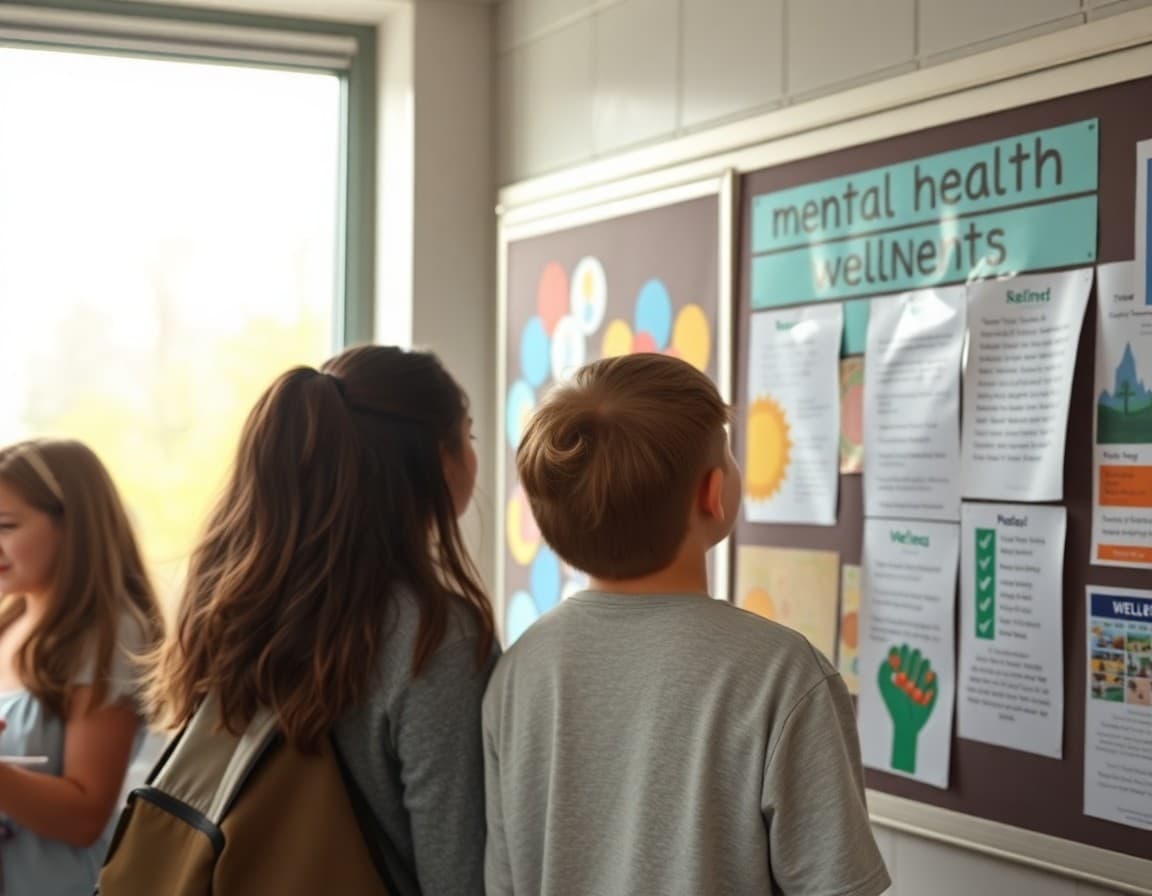
May is Mental Health Awareness Month, and it arrives during the highest-stress period of the school year: end-of-year testing, academic performance concerns, social pressures around graduation and transitions, and the accumulated weight of nine months of school. A mental health awareness newsletter that takes this timing seriously -- not just reprinting national awareness statistics but addressing what families and students are experiencing right now -- is genuinely useful.
Mental Health at This Time of Year
Name the specific mental health pressures that May brings: AP and state exam anxiety, social stress around end-of-year transitions and friend group changes, the anticipatory anxiety of moving to a new school level, and for seniors, the overwhelming weight of graduation decisions and goodbyes. Families who see their child's specific stressors named in the newsletter feel understood and are more likely to engage with the resources that follow.
The School's Mental Health Support Team
Introduce the full mental health support team by name and role: school counselor, school psychologist, school social worker, any partnering mental health professionals. Give each person's area of focus and direct contact information. Families navigating a mental health concern for their child should not have to figure out who to call first. A clear directory in the newsletter removes that barrier.
Destigmatizing Mental Health Conversations
A brief paragraph on destigmatization is one of the most important things a school newsletter can include during May. Mental health challenges are common, treatable, and not a sign of weakness or family failure. Seeking help early produces significantly better outcomes than waiting until a crisis. Families who receive this message from a trusted institution -- the school -- are more likely to seek help without shame when their child needs it.
Crisis Resources That Are Available Now
Include the 988 Suicide and Crisis Lifeline, local crisis intervention numbers, and any community mental health emergency resources. State clearly that these resources are for anyone -- student, parent, or community member -- who is in crisis or supporting someone who is. The simple act of including a crisis line in the school newsletter has been shown to reduce barriers to help-seeking among families who did not know the resource existed.
Conversations to Have at Home
Give families three specific conversation starters for mental health discussions with children at different ages. 'What has been hardest about this time of year for you?' 'Is there anything you are worried about that we haven't talked about yet?' 'I noticed you seem a little off lately -- is there anything going on?' Short, specific prompts are more useful than general encouragement to 'check in with your child.' Specific questions produce real answers.
Community Mental Health Resources
List two or three community mental health resources that serve families outside school hours: a local community mental health center with sliding scale fees, a telehealth platform accessible with school insurance or for free for uninsured families, a nonprofit counseling organization that serves students and young adults. Families who face wait times for school counseling services need to know that community support exists and how to access it.
Mental Health Is School Performance
Close with the direct connection between mental health and academic performance. Students who are struggling with anxiety, depression, or unaddressed trauma cannot learn effectively. Addressing mental health needs is not separate from the school's academic mission -- it is foundational to it. Families who understand this connection are more willing to prioritize mental health support alongside academic support, and more understanding of the school's investment in counseling and wellness programming.
Get one newsletter idea every week.
Free. For teachers. No spam.
Frequently asked questions
What should this newsletter cover?
Lead with what your school is specifically doing to observe or celebrate this topic. Then connect it to family action at home, community resources, and who to contact at school for more information. Generic awareness newsletters are ignored. Specific, school-rooted newsletters get read and shared.
When should the school send it?
The week before or the first week of the relevant observance. Families need enough lead time to participate in events, prepare for activities, or have conversations with their children. A newsletter that arrives after the observance has started is contextual but misses the action window.
How do you keep it from feeling generic?
Name specific students, staff, or community members. Share a specific classroom activity in progress. Connect the theme to something real happening in the building this week. Specificity is what separates a newsletter that gets shared from one that gets archived.
Should it include community resources?
Yes, briefly. One or two relevant organizations or helplines, with contact information. Families who find a useful resource in a school newsletter develop trust in the school as a community hub, not just an educational institution.
How does Daystage help send this newsletter?
Daystage lets school staff create a clean, formatted newsletter and send it directly to all families' inboxes. You write the content, Daystage handles the formatting and delivery. Families receive it in their inbox and can reply directly to follow up.

Adi Ackerman
Author
Adi Ackerman is a former classroom teacher and curriculum writer with 8 years in K-8 schools. She writes about school communication, parent engagement, and what actually works in real classrooms.
More for Community Outreach
Ready to send your first newsletter?
3 newsletters free. No credit card. First one ready in under 5 minutes.
Get started free