
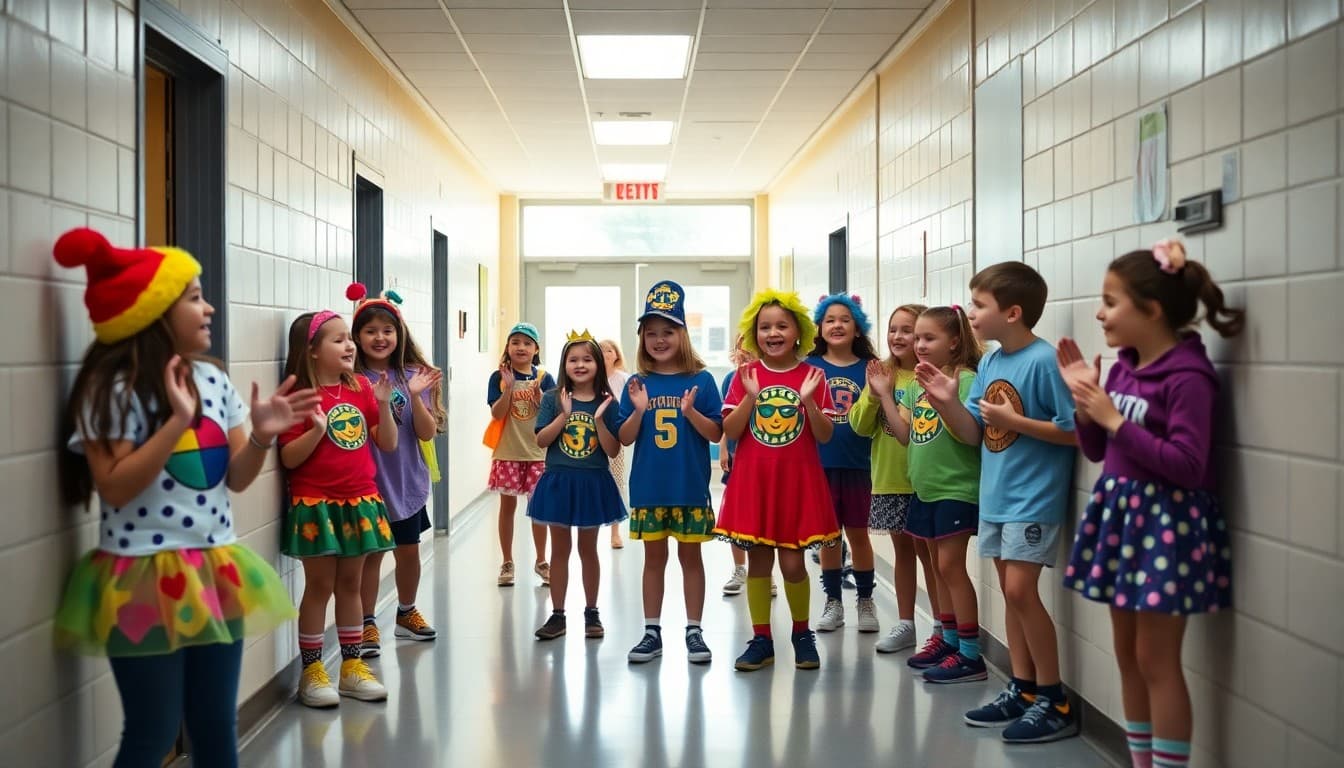
School Newsletter: Spirit Week Is Here
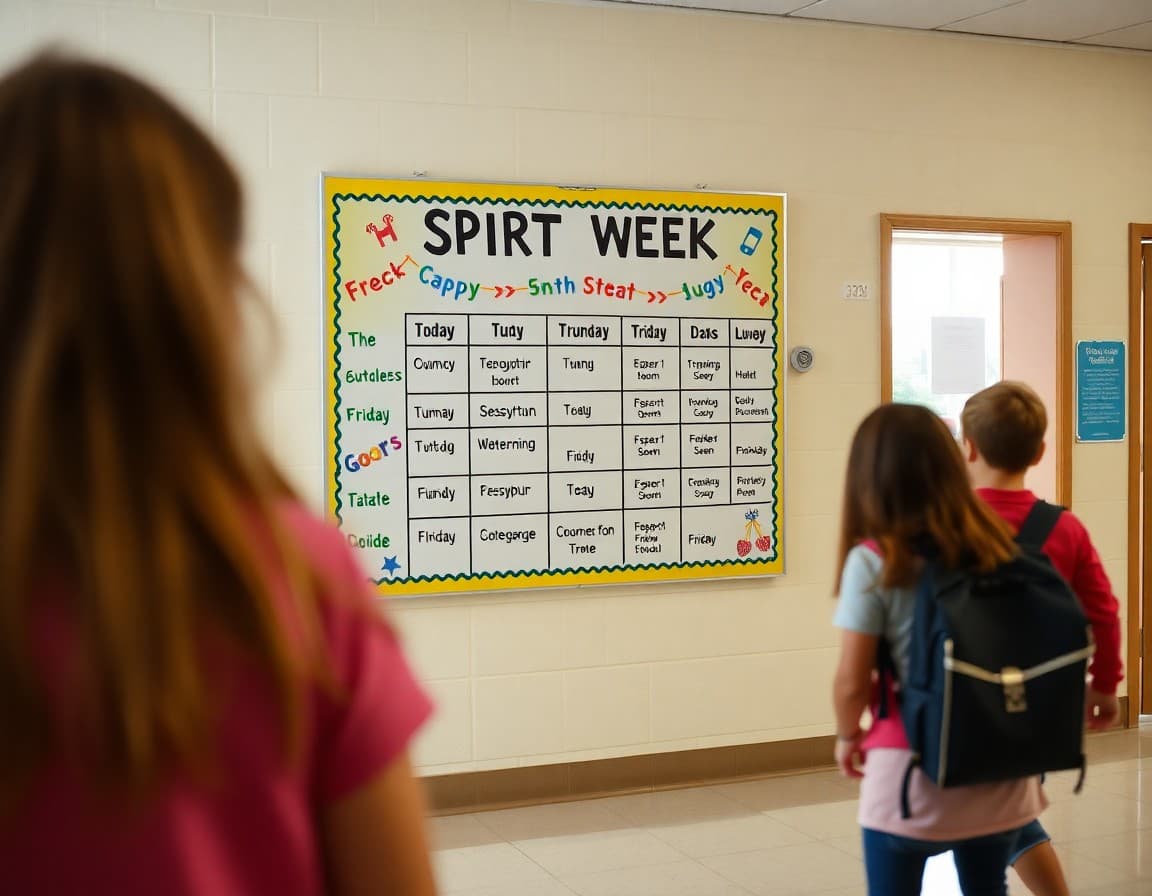
Spirit week is one of the most visible expressions of school culture. When it is done well -- when every student finds a theme they can participate in, when the activities are genuinely fun across the student population, and when the whole community is included -- it builds belonging that sustains through harder stretches of the year. The newsletter is how you make sure every family knows what is happening and how to participate.
Daily Theme Schedule, Complete and Clear
List every spirit day with the exact date and the complete theme description. Not just 'pajama day' but 'Monday: pajama day -- come in your pajamas or comfy clothes. No full costume required.' Not just 'twin day' but 'Tuesday: twin day -- coordinate with a friend or come solo in school colors.' Complete descriptions prevent the confusion that leads students to arrive in the wrong theme or not participate because they did not understand the instructions.
Themes That Work for Every Student
Review the theme list before publishing to confirm that every theme is accessible to every student -- regardless of their budget, cultural background, or social group. A theme that requires buying a specific costume is not accessible to all families. A theme that assumes students have a best friend to coordinate with excludes students who are new or isolated. A theme that references a specific cultural touchpoint may leave some families without context. Good spirit week themes are creative, inclusive, and achievable for every family.
Activities Happening All Week
List the specific activities happening during spirit week: lunchtime competitions between classes, pep rally schedule, staff vs. student events, music in the hallways, spirit-themed academic challenges. Families who know what activities are happening understand what their children are excited about and can have real conversations about the week.
The Friday Rally or Event
If spirit week culminates in a pep rally, athletic event, or school-wide gathering, give families complete information: date, time, whether families are invited, and what to expect. A well-attended finale event is the capstone of a successful spirit week. Families who know about it in advance and feel welcome to attend show up and contribute to the community energy that makes the event meaningful for students.
Spirit Points and Class Competition
If spirit week includes a class or grade-level competition for spirit points, explain the rules briefly. How points are earned. When the winner will be announced. What the prize or recognition is. Students who understand the competition participate more enthusiastically. Families who understand it have something specific to ask their children about at the end of each school day.
Including Students Who Are Not Spirit People
Spirit week can feel intimidating or exclusionary to students who do not see themselves as part of the main school social culture -- introverted students, transfer students, students with anxiety around social performance. A brief acknowledgment in the newsletter that participation at any level is welcome, and that showing up and contributing in their own way counts as spirit, signals to these students that the week is for them too.
Spirit Week as a Community Building Tool
Close with a genuine statement about why spirit week matters beyond the fun. A school where students feel pride and belonging performs better, has better attendance, and retains teachers at higher rates than one where community identity is thin. Spirit week is a structured opportunity to build that belonging, and the newsletter that communicates it thoughtfully is one of the tools that makes it work.
Get one newsletter idea every week.
Free. For teachers. No spam.
Frequently asked questions
What should this newsletter cover?
Lead with what your school is specifically doing or observing this month. Connect the theme to family action at home, name who at school to contact, and include one community resource. Specific, school-rooted content gets read. Generic awareness content gets archived.
When should it go out?
The week before or the first week of the relevant observance. Families need lead time to participate in events, prepare for activities, or have conversations with their children. A newsletter that arrives after the observance has started is contextual but misses the action window.
How do you make it feel personal rather than institutional?
Name specific students, staff, or community members. Share a classroom activity in progress. Include a direct quote from a teacher, counselor, or student. Specificity is what makes a school newsletter feel like it comes from people who care, not from a template.
How does Daystage help with this newsletter?
Daystage lets school staff create a clean, formatted newsletter and send it to all families' inboxes in minutes. Templates can be reused each year for recurring observances. Families receive the newsletter directly in their email and can reply to ask questions.
Should it include community resources?
Yes, briefly. One or two relevant organizations or helplines make the newsletter useful beyond school hours. Families who find a practical resource in a school newsletter develop trust in the school as a community hub, not just an educational institution.

Adi Ackerman
Author
Adi Ackerman is a former classroom teacher and curriculum writer with 8 years in K-8 schools. She writes about school communication, parent engagement, and what actually works in real classrooms.
More for Community Outreach
Ready to send your first newsletter?
3 newsletters free. No credit card. First one ready in under 5 minutes.
Get started free