
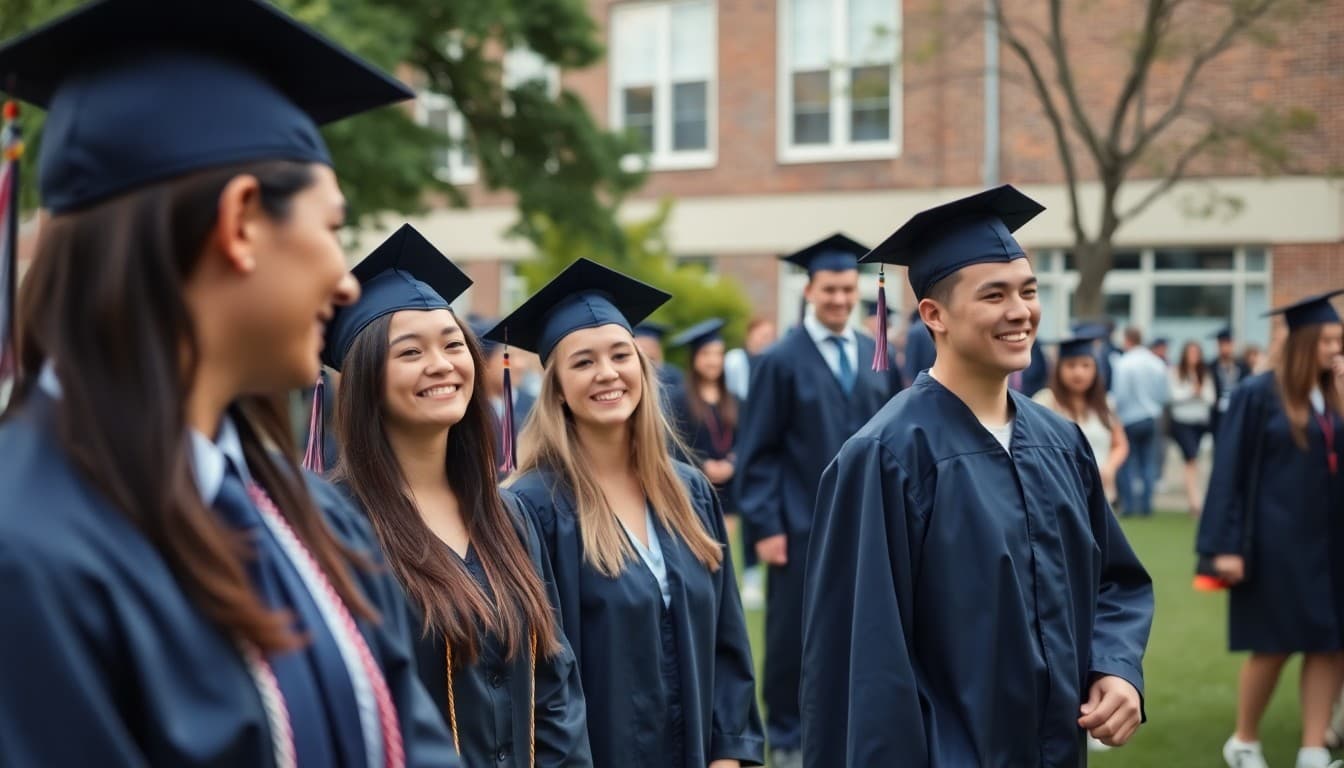
School Newsletter: Graduation Season Countdown and Celebrations
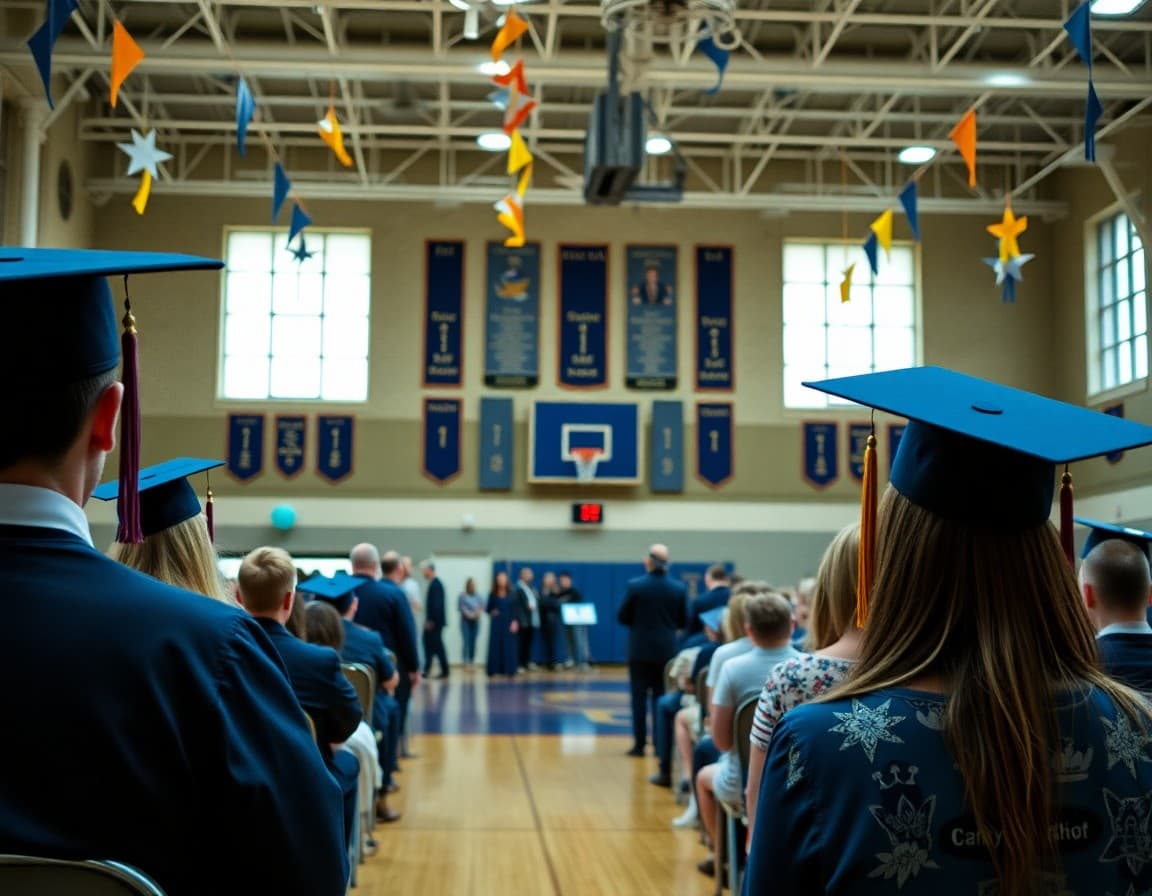
Graduation season is the most emotionally charged stretch of the school year. Seniors are finishing. Underclassmen are watching seniors leave. Families are navigating the logistics of a major ceremony while managing the feelings of a significant milestone. A graduation season newsletter that covers both the practical and the emotional dimensions of this period serves every family in the school community.
The Ceremony Details Every Family Needs
Give families complete graduation ceremony information: date, time, location, what to wear, how many tickets are available per graduate, parking instructions, accessibility accommodations, and what happens if a family needs additional tickets. Missing any of these details creates calls to the school office that could have been handled in the newsletter. Give families everything they need in one place.
The Senior Celebration Calendar
List every senior celebration event in the weeks leading up to graduation: senior picnic, senior prank guidelines (if the school tolerates this), senior class night, baccalaureate, awards night, prom, rehearsal. Dates, times, and what seniors need to wear, bring, or do for each. Seniors who have a clear calendar through graduation are less likely to miss important events due to scheduling confusion.
For Families of Younger Students
Graduation season affects the whole school, not just seniors. A brief section of the newsletter for families of younger students explains what to expect in the building as the year winds down: visiting senior speakers in lower grades, yearbook signings, end-of-year activities that may be modified to accommodate graduation prep. Including the whole school community in graduation season communication makes it a community celebration rather than an event that disrupts the lower grades.
Academic Requirements Through the End
A clear note about academic requirements through the graduation date: finals schedules, credit completion deadlines, any requirements that seniors must meet to walk in the ceremony. Seniors and families who are clear on what is required make better decisions in the final weeks than those who are uncertain about the rules. Include the name of the counselor or registrar to contact with specific questions.
The Emotional Dimension
A brief acknowledgment that graduation season is emotionally complex -- joyful and sad simultaneously -- gives families permission to feel whatever they are feeling. Seniors who are leaving close friendships, families who are watching their youngest child graduate, teachers saying goodbye to students they have watched grow for years. These feelings are real and worth acknowledging in the community newsletter. A school that makes space for the emotional weight of graduation is one that families feel genuinely seen by.
Alumni Connection and Community
Include information about how graduates can stay connected to the school community after graduation: alumni networks, social media groups, volunteer opportunities to return as mentors or speakers. The relationship between a school and its alumni is a long-term community asset. Graduation is the beginning of that relationship, not the end.
Celebrating the Class as a Whole
Close with a genuine celebration of the graduating class -- not their test scores or acceptance rates, but their character and their contributions to the school community. What did this class bring to the building during their time here? What will be missed? What are you excited for them to go on and do? A specific, warm tribute to the class as a community -- written by someone who knows them -- is the kind of close that families and students print out and keep.
Get one newsletter idea every week.
Free. For teachers. No spam.
Frequently asked questions
What should this newsletter cover?
Lead with what your school is specifically doing to observe or celebrate this topic. Then connect it to family action at home, community resources, and who to contact at school for more information. Generic awareness newsletters are ignored. Specific, school-rooted newsletters get read and shared.
When should the school send it?
The week before or the first week of the relevant observance. Families need enough lead time to participate in events, prepare for activities, or have conversations with their children. A newsletter that arrives after the observance has started is contextual but misses the action window.
How do you keep it from feeling generic?
Name specific students, staff, or community members. Share a specific classroom activity in progress. Connect the theme to something real happening in the building this week. Specificity is what separates a newsletter that gets shared from one that gets archived.
Should it include community resources?
Yes, briefly. One or two relevant organizations or helplines, with contact information. Families who find a useful resource in a school newsletter develop trust in the school as a community hub, not just an educational institution.
How does Daystage help send this newsletter?
Daystage lets school staff create a clean, formatted newsletter and send it directly to all families' inboxes. You write the content, Daystage handles the formatting and delivery. Families receive it in their inbox and can reply directly to follow up.

Adi Ackerman
Author
Adi Ackerman is a former classroom teacher and curriculum writer with 8 years in K-8 schools. She writes about school communication, parent engagement, and what actually works in real classrooms.
More for Community Outreach
Ready to send your first newsletter?
3 newsletters free. No credit card. First one ready in under 5 minutes.
Get started free