
School Newsletter: Homecoming Week Schedule and Spirit Activities

Homecoming week is one of the most community-visible moments in the school calendar, especially for secondary schools. When the event is communicated clearly -- spirit day themes, game schedule, dance information, parade logistics -- families and the broader community can participate meaningfully. When it is communicated through flyers that disappear in backpacks, families miss the moments their children are excited about.
Spirit Week Schedule and Themes
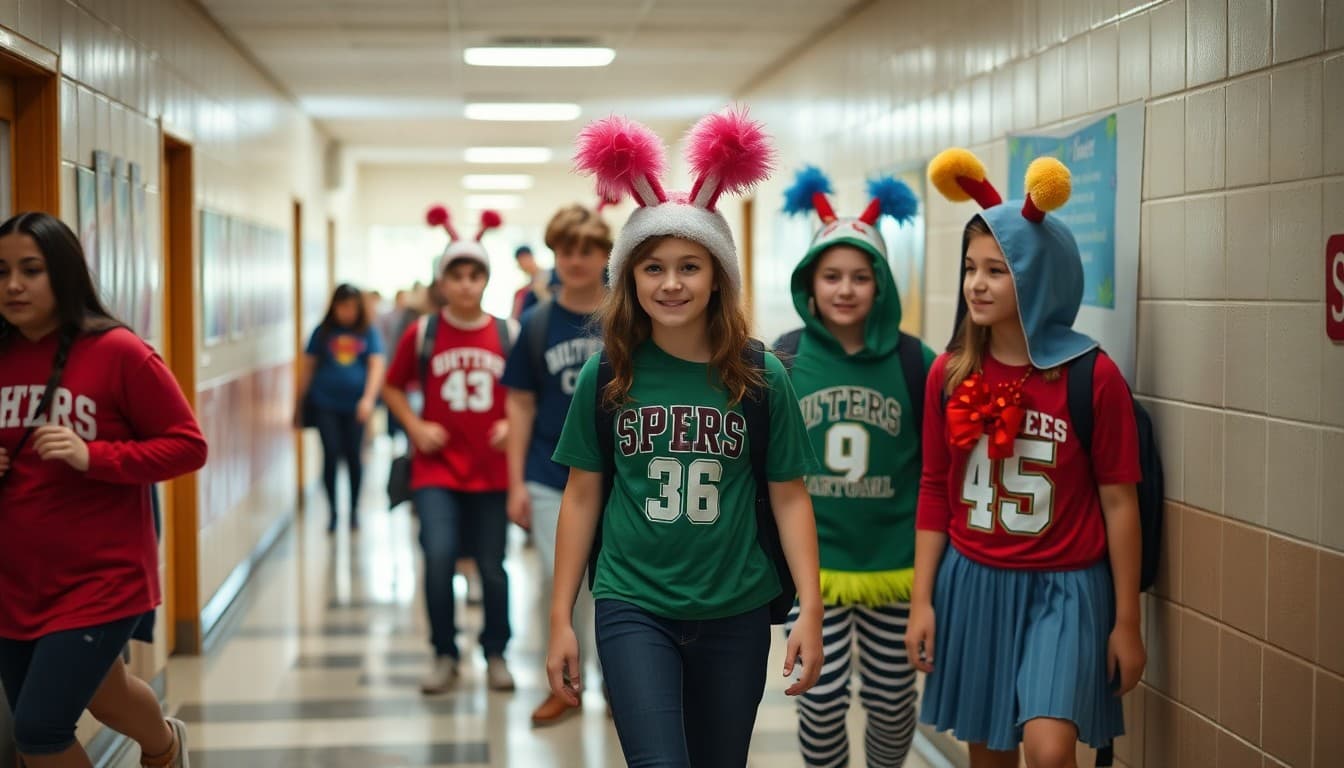
List every spirit day with the date and theme clearly stated. Monday: pajama day. Tuesday: twin day. Wednesday: decades day. Thursday: school colors day. Friday: superhero day. Include any restrictions or guidelines around costumes or dress code. Families who know the schedule by Monday can help their children prepare each day rather than sending students in the wrong theme because they forgot or could not find the paper.
The Homecoming Game
Give families complete game information: date, time, location, cost for admission, and any special traditions associated with the homecoming game. If there is a pregame tailgate, a halftime show, or a homecoming court presentation, describe it. Families who receive complete information are far more likely to attend than those who receive a vague announcement that the game is 'soon.' Include a note about what students are expected to wear or bring.
Homecoming Parade or Pep Rally
If the school holds a homecoming parade or pep rally, describe what it involves and whether families are invited to attend or watch. A homecoming parade that families know about generates community street presence. A pep rally that parents are invited to observe creates a community energy that students remember. These events are most impactful when the community shows up in full -- and showing up requires knowing what is happening, when, and where.
The Homecoming Dance
For schools with a homecoming dance, give families complete information: date, time, ticket sales process, ticket cost, dress code, transportation notes, and the end time when students need to be picked up. If a parent volunteer committee is coordinating the dance, give the contact for families who want to help. Families who have complete information about the dance can plan appropriately and prevent the last-minute scramble that makes the event stressful for everyone.
Homecoming Court Celebration
If the school recognizes a homecoming court, describe briefly how the process works and when and where the court will be announced. Note whether family members are invited to any court-related ceremonies. If the school has made any changes to the homecoming court tradition to be more inclusive, note that. Families who understand the tradition participate more meaningfully in the celebration.
Making Homecoming Welcoming for All Students
Homecoming traditions can feel exclusive to students who are not part of the social groups that have historically defined homecoming culture. A brief note in the newsletter about the school's intention to make homecoming welcoming for every student -- inviting students who do not feel part of the main homecoming crowd to find their own way to participate, describing clubs and activities that have homecoming-adjacent events -- signals that the school is working to make the week inclusive.
Alumni and Community Welcome
Homecoming is traditionally a moment for alumni to return and reconnect with the school. If the school invites alumni to specific homecoming events, note that in the newsletter and describe how former students can get information about the events. A homecoming that connects current students to the school's history builds institutional pride and community continuity that benefits everyone, including the students who are still there.
Get one newsletter idea every week.
Free. For teachers. No spam.
Frequently asked questions
What should this newsletter cover?
Lead with what your school is specifically doing or observing this month. Connect the theme to family action at home, name who at school to contact, and include one community resource. Specific, school-rooted content gets read. Generic awareness content gets archived.
When should it go out?
The week before or the first week of the relevant observance. Families need lead time to participate in events, prepare for activities, or have conversations with their children. A newsletter that arrives after the observance has started is contextual but misses the action window.
How do you make it feel personal rather than institutional?
Name specific students, staff, or community members. Share a classroom activity in progress. Include a direct quote from a teacher, counselor, or student. Specificity is what makes a school newsletter feel like it comes from people who care, not from a template.
How does Daystage help with this newsletter?
Daystage lets school staff create a clean, formatted newsletter and send it to all families' inboxes in minutes. Templates can be reused each year for recurring observances. Families receive the newsletter directly in their email and can reply to ask questions.
Should it include community resources?
Yes, briefly. One or two relevant organizations or helplines make the newsletter useful beyond school hours. Families who find a practical resource in a school newsletter develop trust in the school as a community hub, not just an educational institution.

Adi Ackerman
Author
Adi Ackerman is a former classroom teacher and curriculum writer with 8 years in K-8 schools. She writes about school communication, parent engagement, and what actually works in real classrooms.
More for Community Outreach
Ready to send your first newsletter?
3 newsletters free. No credit card. First one ready in under 5 minutes.
Get started free