
School Newsletter: Celebrating Our School Lunch Heroes
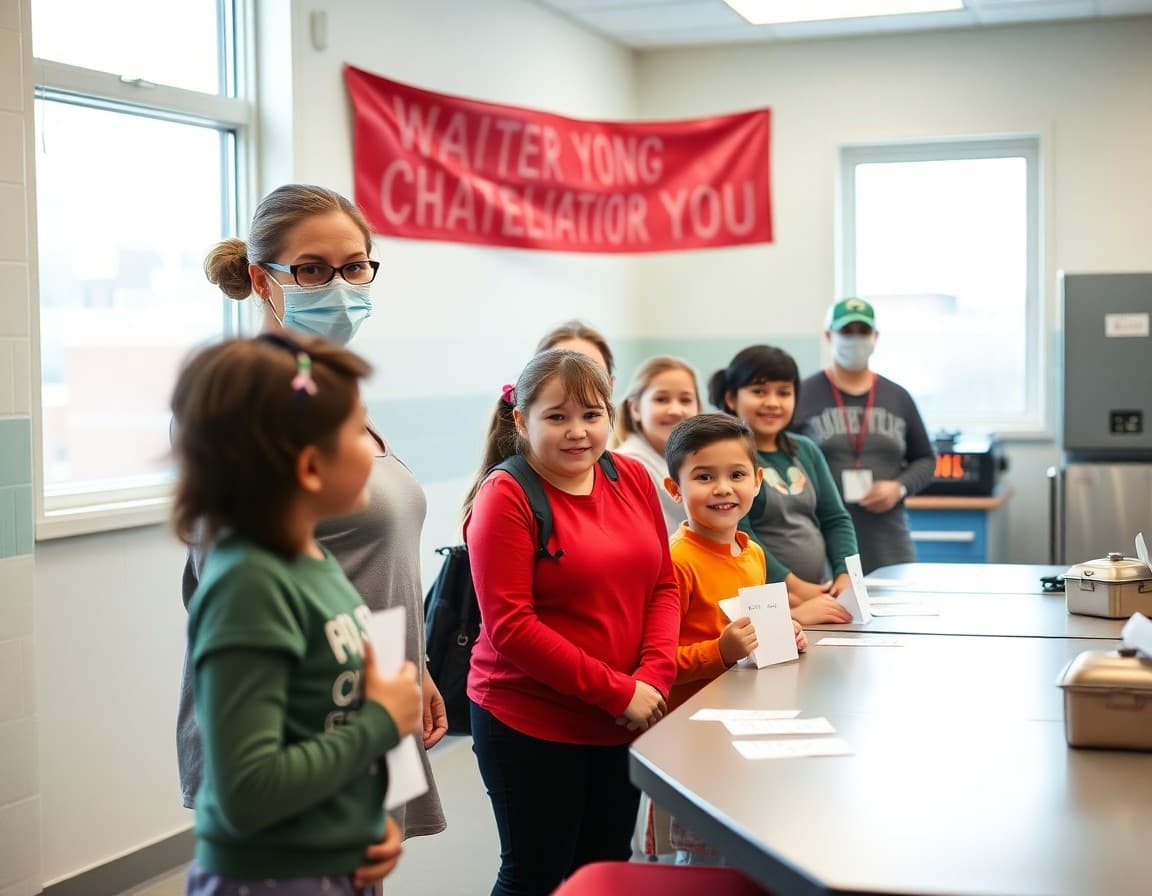
School Lunch Hero Day in early May celebrates the cafeteria workers who prepare and serve meals to students every day -- often the same people who greet students by name, notice when something is wrong, and provide a welcoming moment in the middle of the school day. A newsletter that recognizes this work specifically and personally is far more meaningful than a generic appreciation.
What Cafeteria Staff Do Every Day
A school cafeteria team arrives before most school staff, prepares hundreds or thousands of meals, serves students with patience and efficiency, manages complex dietary accommodations, and keeps a high-traffic environment safe and clean -- all in a compressed time window that gives little room for error. A newsletter that describes this work specifically gives families an accurate picture of what they are appreciating and why.
The Role of School Meals in Student Learning
Students who eat a nutritious lunch learn better in the afternoon than those who do not. Free and reduced-price meal programs ensure that students who would otherwise be hungry are fed. The school nutrition program is not just a logistical service -- it is a direct academic support. A newsletter that makes this connection helps families understand why the cafeteria team's work matters beyond the lunch hour.
Name the Cafeteria Team
List every member of the cafeteria team by name in the newsletter. The manager, the cooks, the cashiers, the cleaners. Families who see these names in print notice and feel good about the organization that cares enough to recognize them. Staff members who see their names published in the community newsletter feel valued in a way that no internal email can replicate.
How Students Can Participate in School Lunch Hero Day
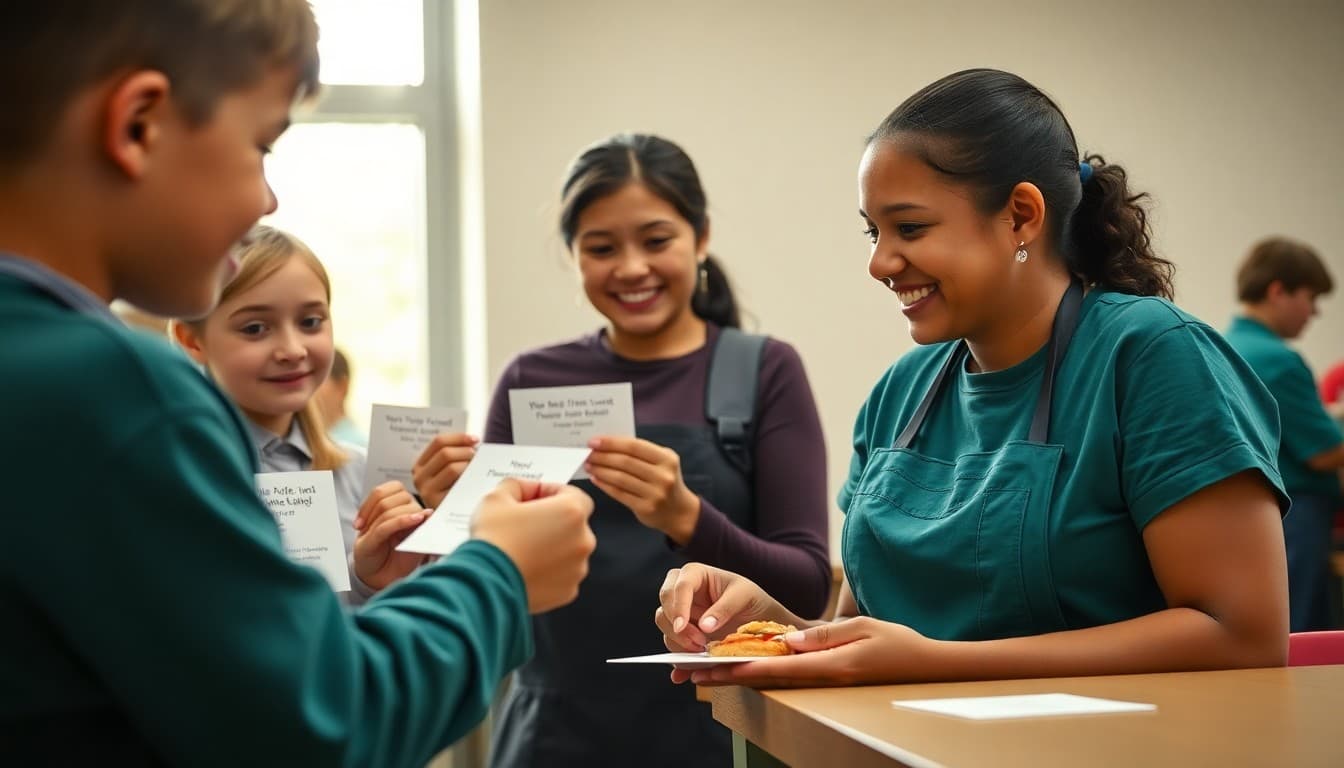
Give students specific ways to show appreciation: a handwritten thank-you card, a verbal thank-you when receiving their tray, a drawing posted near the cafeteria entrance. Elementary school teachers can organize a class card-making activity. Secondary students can organize a student government recognition event. Simple, specific actions are more likely to happen than general suggestions to 'show appreciation.'
The Free and Reduced Lunch Program
May is a natural moment to remind families about the free and reduced-price meal program and how to apply if they have not. Note that applications can be submitted at any time of year and that the information is kept confidential. Families who are eligible but have not applied should know the deadline for the current year and the process for renewal. This practical information, shared during School Lunch Hero Day, connects appreciation for the cafeteria team to the equity dimension of their work.
Student Food Preferences and Cafeteria Improvements
If the school has made improvements to the cafeteria menu based on student feedback -- new options, a salad bar, culturally relevant items -- share those improvements in the newsletter. Students who see their feedback reflected in real changes become more invested in the cafeteria program. And cafeteria staff who see their improvements recognized feel the connection between their effort and community impact.
Nutrition and Wellness as a School Value
Close by connecting School Lunch Hero Day to the school's broader commitment to student wellness. The cafeteria team is a core part of the health and wellness infrastructure of the school. Alongside the school nurse, counselor, and physical education teacher, the cafeteria staff contributes to the conditions that allow students to be healthy, present, and ready to learn. A school that communicates this clearly builds the kind of appreciation that is both genuine and well-founded.
Get one newsletter idea every week.
Free. For teachers. No spam.
Frequently asked questions
What should this newsletter cover?
Lead with what your school is specifically doing this month or week. Connect it to family action at home, community resources, and a direct contact for more information. Specificity is what makes a newsletter useful rather than forgettable.
When should the school send it?
The week before or the first week of the observance. Families need lead time to participate in events or prepare for activities. A newsletter that arrives after the observance started is contextual but misses the participation window.
How do you keep this newsletter from feeling generic?
Connect the theme to something specific happening in your school building this week. A classroom activity in progress. A community partner the school is working with. A specific student or staff member doing something worth recognizing. Specificity drives readership and sharing.
Should it include community resources?
Yes, briefly. One or two relevant organizations, helplines, or local resources. Families who find a useful resource in a school newsletter trust the school as a community hub, not just an educational institution.
How does Daystage support this newsletter?
Daystage lets school staff create and send a formatted newsletter directly to every family's inbox. You write the content, Daystage handles formatting and delivery. Templates can be reused and adapted each year for recurring observances.

Adi Ackerman
Author
Adi Ackerman is a former classroom teacher and curriculum writer with 8 years in K-8 schools. She writes about school communication, parent engagement, and what actually works in real classrooms.
More for Community Outreach
Ready to send your first newsletter?
3 newsletters free. No credit card. First one ready in under 5 minutes.
Get started free