
School Newsletter: Reading Month Celebration and Activities
March is National Reading Month, and it gives schools an annual moment to celebrate reading as a community-wide value -- not just a school subject. A reading month newsletter that gives families specific activities, book recommendations, and a way to participate in the celebration builds the home-school reading partnership that research consistently links to stronger literacy outcomes.
Reading Month Activities at School
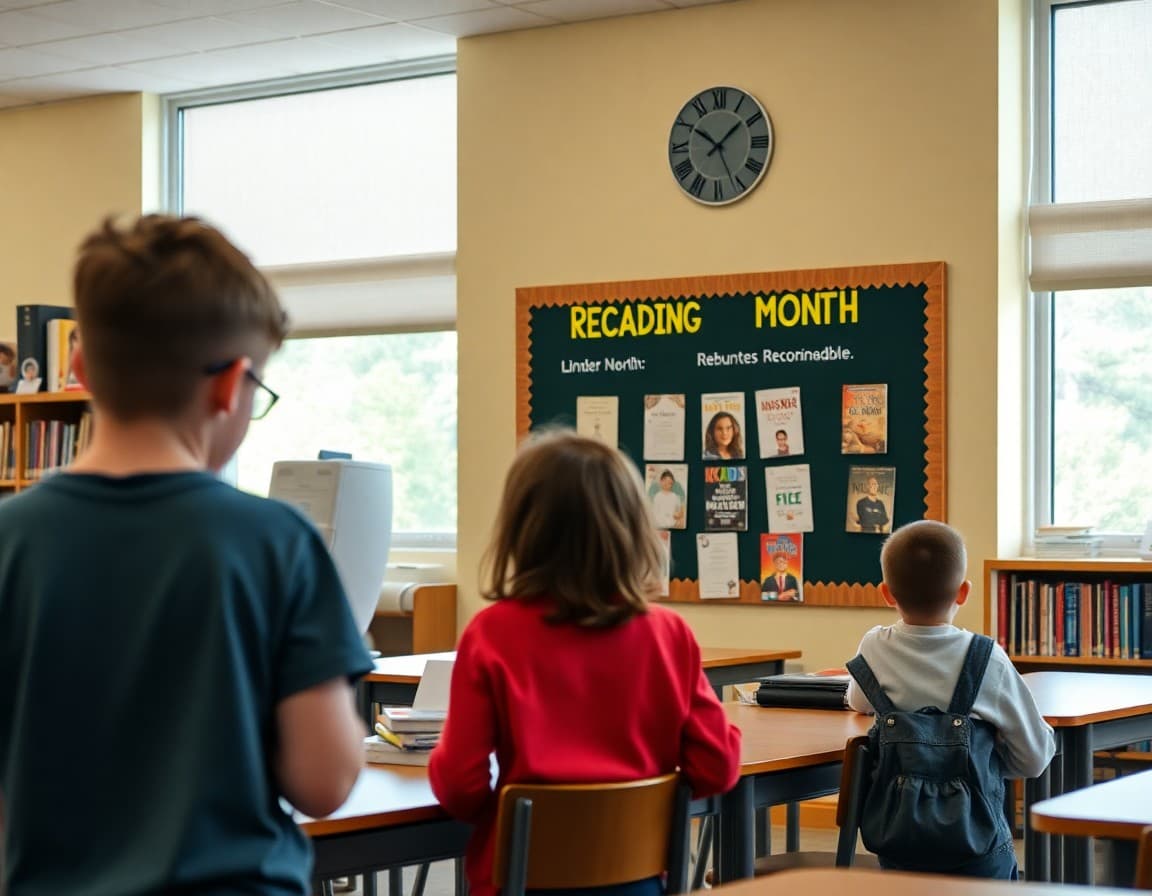
Describe the specific reading activities planned for March. A book challenge for each class. Author visits, in person or virtual. A school-wide read-aloud of a selected book. Book swaps, reading bingo, or classroom door decorating contests. Dress as your favorite book character day. Specific events give families something to ask their children about and look forward to, and help families understand that reading month is a genuine community celebration, not just a reminder to read.
The Book Recommendation Network
Turn the newsletter into a recommendation engine. Ask teachers to each submit one book they love at their grade level. Feature a student recommendation. Ask the principal, the custodian, and the librarian each for one recommendation. This cross-community book recommendation section signals that reading is valued by everyone in the building -- not just in the classroom -- and often produces the most read section of any March newsletter.
Reading at Home: What Actually Works
Give families two or three research-based, practical tips for supporting reading at home. Read aloud to children of any age, including middle and high schoolers. Let children choose their own reading material, including graphic novels and magazines, which count. Model reading yourself -- children who see adults read are more likely to become readers. Keep it brief and specific. Families who receive actionable information make changes. Families who receive generic advice feel talked at.
Library Card as a Community Resource
If a significant portion of your school community does not have library cards, use reading month as a moment to promote free library access. The public library is free, has digital borrowing through apps like Libby, offers programs for children of all ages, and provides internet access for families who need it. A brief, specific mention of how to get a card and what families can access removes a barrier that keeps many students from having books at home.
Celebrating Every Kind of Reader
Reading month is most successful when it makes room for every kind of reader: the advanced reader who devours novels, the reluctant reader who only connects to graphic novels, the child who is just beginning to decode, the student whose first language is not English. A newsletter that frames reading broadly -- as engagement with stories, ideas, and information in any format -- invites more students in than one that focuses only on chapter books and reading levels.
Read to Someone Else
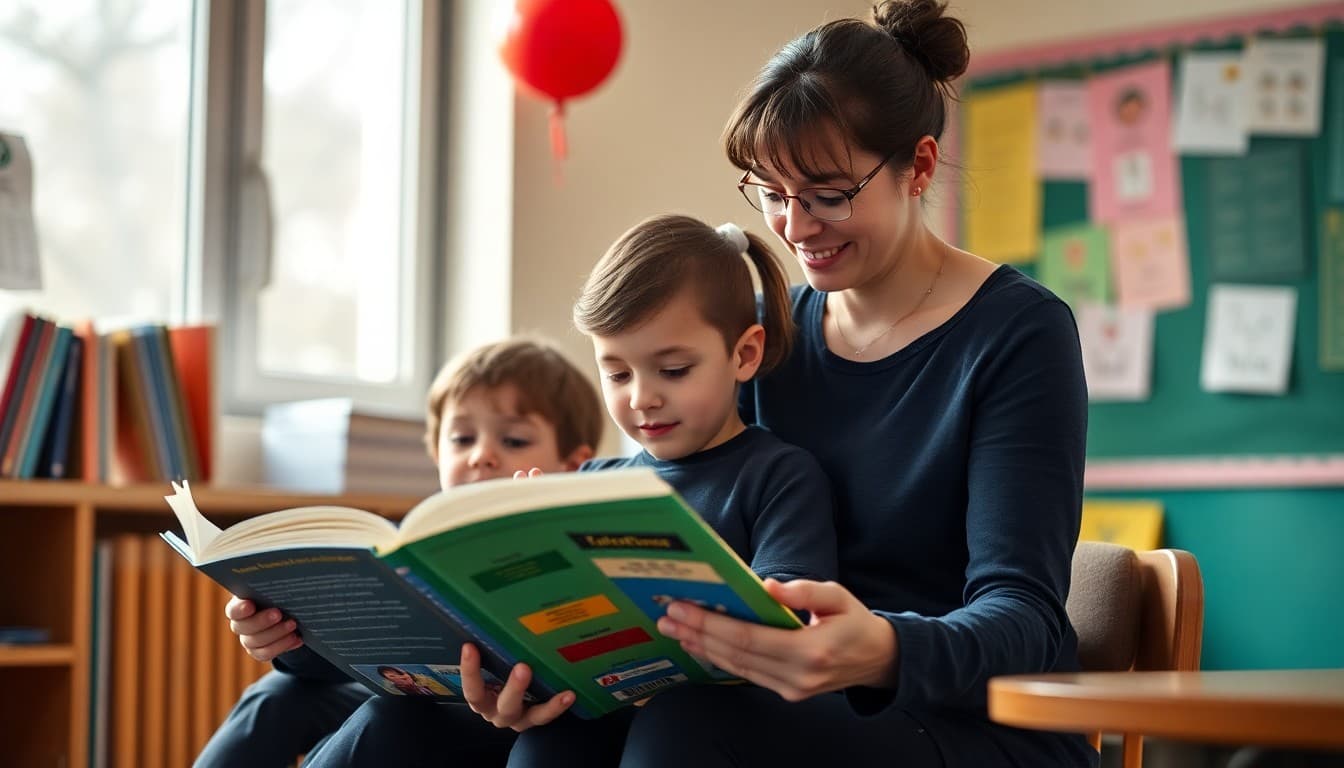
Include one community-oriented reading activity in the newsletter. Reading to a younger sibling or neighbor child. Recording an audiobook for a homebound community member. Organizing a classroom reading buddy program with younger grades. Reading aloud creates connection across generations and builds confidence in student readers who struggle to read silently but perform beautifully when reading to an engaged listener.
Making March Reading Habits Stick
Close by noting that the goal of reading month is not to read more in March and less in April. Name the specific reading habit the school is working to build -- 20 minutes of daily independent reading, a nightly family read-aloud, a monthly family book selection -- and describe how the school will support it beyond March. Reading month is a launch, not a sprint. Families who understand this invest in the habit, not just the month.
Get one newsletter idea every week.
Free. For teachers. No spam.
Frequently asked questions
What should a Reading Month Celebration and Activities newsletter cover?
The most effective newsletters for this observance cover three things: what the school is doing to recognize or celebrate the month or week, how families can participate or reinforce the themes at home, and who at school to contact for more information or to get involved. Lead with the specific activities happening at school, not with a generic description of the observance. Families respond to what is real and local, not to national awareness month statistics.
When should the school send this newsletter?
The week before or the first week of the observance month or week. Families need enough lead time to participate in any events, volunteer for relevant activities, or have informed conversations with their children about the topics being raised at school. A newsletter that arrives after the week has already started is useful for context but misses the participation window.
How do you keep this kind of observance newsletter from feeling generic?
Connect every awareness month or week to something specific happening in your school building. A student who shared their experience. A classroom project in progress. A community organization the school is partnering with. A specific action families can take this week. Generic awareness newsletters list facts about the month. Specific newsletters tell families what their community is actually doing about it.
Should the newsletter include community resources?
Yes, briefly. Include one or two community organizations or helplines relevant to the observance if appropriate. For mental health awareness months, crisis lines. For financial literacy month, free local resources. For heritage months, community cultural organizations. This section takes one minute to add and significantly increases the newsletter's value as a community resource beyond school walls.
How does Daystage help schools send observance newsletters?
Daystage lets school staff create a clean, formatted newsletter for any observance month or week and send it to all families in a few minutes. You can include event details, resource links, and family action steps in a mobile-friendly format that arrives directly in every family's inbox. Templates can be reused and adapted each year.

Adi Ackerman
Author
Adi Ackerman is a former classroom teacher and curriculum writer with 8 years in K-8 schools. She writes about school communication, parent engagement, and what actually works in real classrooms.
More for Community Outreach
School Newsletter: Launch Your Winter Reading Challenge
Community Outreach · 6 min read
School Newsletter: Celebrating Our School Library This Month
Community Outreach · 6 min read
Family Literacy Program Newsletter: Communicating Reading and Literacy Programs for the Whole Family
Community Outreach · 5 min read
Ready to send your first newsletter?
3 newsletters free. No credit card. First one ready in under 5 minutes.
Get started free