
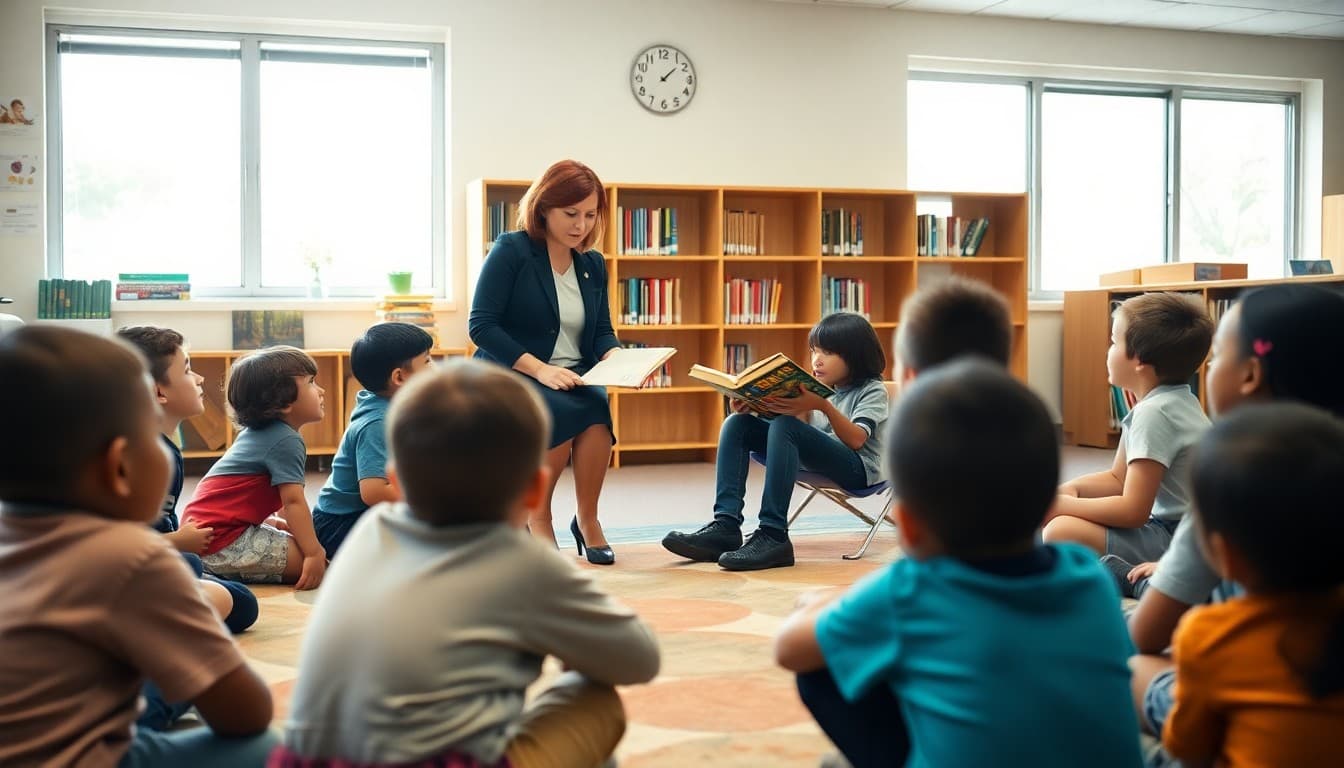
School Newsletter: Celebrating Our School Library This Month

School Library Month in April is a chance to celebrate one of the most underappreciated resources in any school: the librarian and the library program. A newsletter that introduces the librarian personally, describes the library's resources, and gives families practical ways to connect with the library builds a culture around reading and research that serves students throughout their education.
Introduce the School Librarian
A personal introduction from the school librarian in the newsletter builds the kind of human connection that makes families and students more likely to use the library as a genuine resource. Three sentences: how long they have been at the school, what they love about their work, and one thing they want every family to know about the library program. A librarian who is known by name and personality is approachable in a way that a room full of books is not.
What the School Library Offers
Many families do not know the full scope of what the school library provides. Give a brief, specific list: books in physical and digital format, access to research databases, maker space equipment if applicable, reading programs, summer reading support, information literacy instruction in classrooms, help with research projects, and a quiet workspace for students. This kind of comprehensive description positions the library as a robust educational resource, not just a place to pick up a book.
Digital Resources Families Can Access at Home
If the school library provides access to digital resources families can use at home -- library apps, online databases, e-books, research guides -- describe them clearly and give login instructions or a link to the library portal. Families who know that the school library extends into their home through digital access use it far more than families who think of the library as a room they only access on library day.
How to Check Out and Return Books
For families of students in lower grades especially, a brief explanation of how the school library checkout process works is useful. How often students visit. How many books they can check out. How long before they are due back. What happens when a book is overdue. What the process is if a book is lost. Practical, clear information removes the anxiety some families feel about library access and encourages parents to support their children in using the library fully.
Spotlight: New Books Added This Year
Include a brief list of notable new additions to the library collection this year. A few titles across grade levels. Any books that were requested by students or purchased in response to curriculum needs. New books purchased with donations or grants. This kind of specific showcase signals that the library collection is living and growing, not fixed. It also gives families reading recommendations for home.
How Families Can Support the Library
Give families one or two specific ways to support the school library. Donate books from a curated wish list. Volunteer to help shelve or sort books for an hour. Donate to a targeted fund for specific library resources. Respond to the library book drive. Families who feel the library values their participation show up for the library in ways that make the librarian's job easier and the collection richer.
The Library as a Second Classroom
Close with a paragraph about the library's role in student learning beyond book checkout. Information literacy -- knowing how to find, evaluate, and use information -- is one of the most durable skills the school can teach. The librarian is a core partner in developing that skill across every subject. A school community that takes its library seriously has a measurable advantage in producing students who can think, research, and learn independently.
Get one newsletter idea every week.
Free. For teachers. No spam.
Frequently asked questions
What should a Celebrating Our School Library This Month newsletter cover?
The most effective newsletters for this observance cover three things: what the school is doing to recognize or celebrate the month or week, how families can participate or reinforce the themes at home, and who at school to contact for more information or to get involved. Lead with the specific activities happening at school, not with a generic description of the observance. Families respond to what is real and local, not to national awareness month statistics.
When should the school send this newsletter?
The week before or the first week of the observance month or week. Families need enough lead time to participate in any events, volunteer for relevant activities, or have informed conversations with their children about the topics being raised at school. A newsletter that arrives after the week has already started is useful for context but misses the participation window.
How do you keep this kind of observance newsletter from feeling generic?
Connect every awareness month or week to something specific happening in your school building. A student who shared their experience. A classroom project in progress. A community organization the school is partnering with. A specific action families can take this week. Generic awareness newsletters list facts about the month. Specific newsletters tell families what their community is actually doing about it.
Should the newsletter include community resources?
Yes, briefly. Include one or two community organizations or helplines relevant to the observance if appropriate. For mental health awareness months, crisis lines. For financial literacy month, free local resources. For heritage months, community cultural organizations. This section takes one minute to add and significantly increases the newsletter's value as a community resource beyond school walls.
How does Daystage help schools send observance newsletters?
Daystage lets school staff create a clean, formatted newsletter for any observance month or week and send it to all families in a few minutes. You can include event details, resource links, and family action steps in a mobile-friendly format that arrives directly in every family's inbox. Templates can be reused and adapted each year.

Adi Ackerman
Author
Adi Ackerman is a former classroom teacher and curriculum writer with 8 years in K-8 schools. She writes about school communication, parent engagement, and what actually works in real classrooms.
More for Community Outreach
Ready to send your first newsletter?
3 newsletters free. No credit card. First one ready in under 5 minutes.
Get started free