
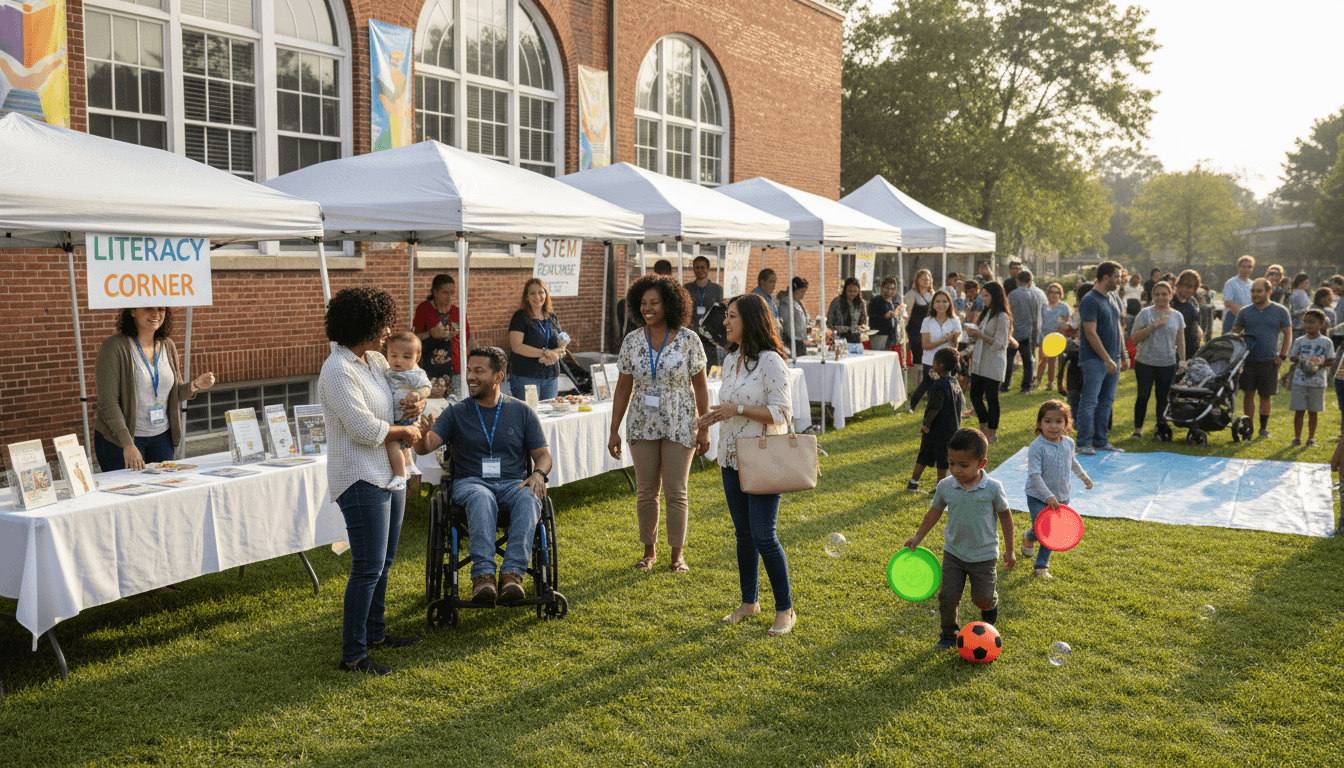
Family Literacy Program Newsletter: Communicating Reading and Literacy Programs for the Whole Family
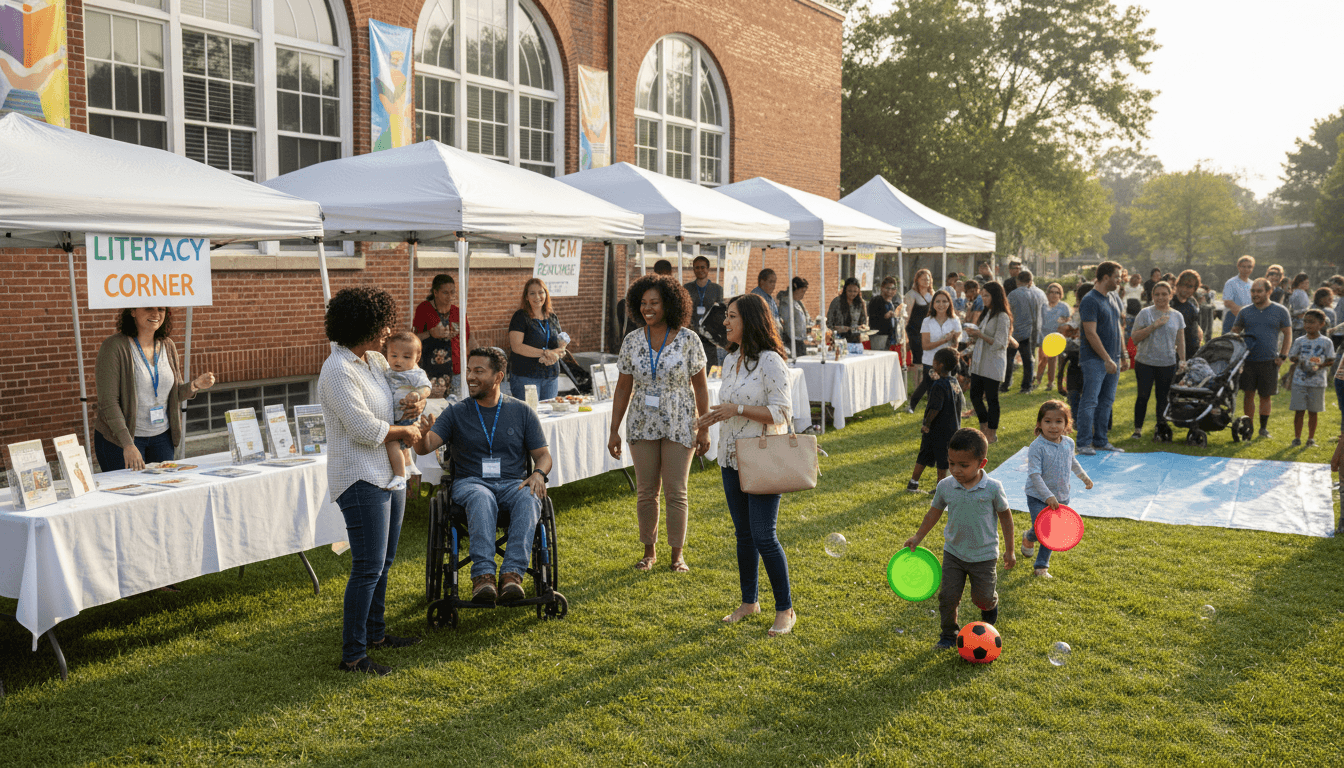
The research on family literacy is consistent: children who read with an adult at home develop stronger vocabulary, better comprehension, and greater motivation to read than children who do not. A family literacy newsletter translates that research into practical programs and daily habits that families can actually use, regardless of whether they are experienced readers themselves.
Start with what families can do tonight
The most useful thing in a family literacy newsletter is something a family can do before the child goes to bed tonight. A specific book recommendation for their child's age and reading level. A conversation starter about a book the child is reading in school. A list of five questions to ask after reading a picture book together. Immediate action is more effective than program registration, and it builds the habit that makes programs more successful when families do participate.
Communicate upcoming programs with complete logistics
Family literacy nights, book fairs, take-home library program launches, and author visits all have program dates that families need to know far enough in advance to participate. Include complete logistics: date, time, location, whether childcare is provided, whether translation services are available, whether there is food, and whether registration is required. The logistical details are what turn interest into attendance.
Affirm multilingual reading in the home
A significant percentage of families in most school communities speak a language other than English at home. These families sometimes think that reading in their home language is not as valuable as reading in English, or that they should only read English books with their child. Explicitly affirming that reading in any language builds the foundational literacy skills that transfer to English reading development is one of the most impactful messages a family literacy newsletter can carry.
Connect families to free reading resources
The school library, public library, community little free libraries, and free digital reading platforms are resources that many families do not know how to access or do not realize are free. A brief directory of free reading resources in each literacy newsletter, including how to get a library card and which digital platforms require only a library card number, removes the cost barrier that some families associate with building a home library.
Feature one family reading story per issue
A brief profile of a school family who describes how they incorporated reading into their daily routine, what challenges they faced, and what changed when they did, is the most persuasive content in a family literacy newsletter. Peer influence within a community is far more powerful than institutional encouragement. A family who sees another family like theirs doing something and succeeding at it is more likely to try it than a family who receives only school-to-home messaging.
Get one newsletter idea every week.
Free. For teachers. No spam.
Frequently asked questions
What is a family literacy program and who does it serve?
A family literacy program provides reading support and literacy resources for the whole family unit, not just the student. Programs may include parent reading workshops, take-home book bags, shared reading events at school, adult basic literacy classes, and book exchanges. The goal is to build a home environment where reading is valued and practiced alongside the student.
What should a family literacy newsletter include?
Upcoming events and workshops with logistics, take-home reading tips families can use immediately, book recommendations appropriate for different age groups, how to access school library resources, community library programs families can use, and recognition of families who have participated in literacy events.
How do you attract families who do not consider themselves readers?
Lead with the child benefit rather than the reading message. A family who hears that reading aloud for 15 minutes a night will help their child's vocabulary grow three times faster than peers who are not read to is more motivated than a family who receives a general push to read more. Concrete, specific, child-focused outcomes get better response from reluctant reader families.
How do you support multilingual families in a literacy newsletter?
Explicitly state that reading to children in any language builds literacy skills, not just reading in English. A family who reads Spanish or Somali picture books with their child is building exactly the vocabulary, print awareness, and love of reading that transfers to English literacy development. Multilingual framing is more inclusive and more accurate.
How does Daystage support family literacy newsletters in multiple languages?
Daystage supports multilingual newsletter content so family literacy newsletters can be sent in Spanish, Somali, or other community languages alongside English. A family literacy program that reaches families in their home language achieves significantly higher participation rates than one that is only available in English.

Adi Ackerman
Author
Adi Ackerman is a former classroom teacher and curriculum writer with 8 years in K-8 schools. She writes about school communication, parent engagement, and what actually works in real classrooms.
More for Community Outreach
Adult Education Program Newsletter at School: Communicating Learning Opportunities for Parents and Caregivers
Community Outreach · 5 min read
Voter Registration at School: How to Promote Civic Participation Without Taking Sides
Community Outreach · 5 min read
Refugee Family Welcome Newsletter: How Schools Can Communicate Support for Newly Arrived Families
Community Outreach · 6 min read
Ready to send your first newsletter?
3 newsletters free. No credit card. First one ready in under 5 minutes.
Get started free