
School Newsletter: Random Acts of Kindness Week Activities
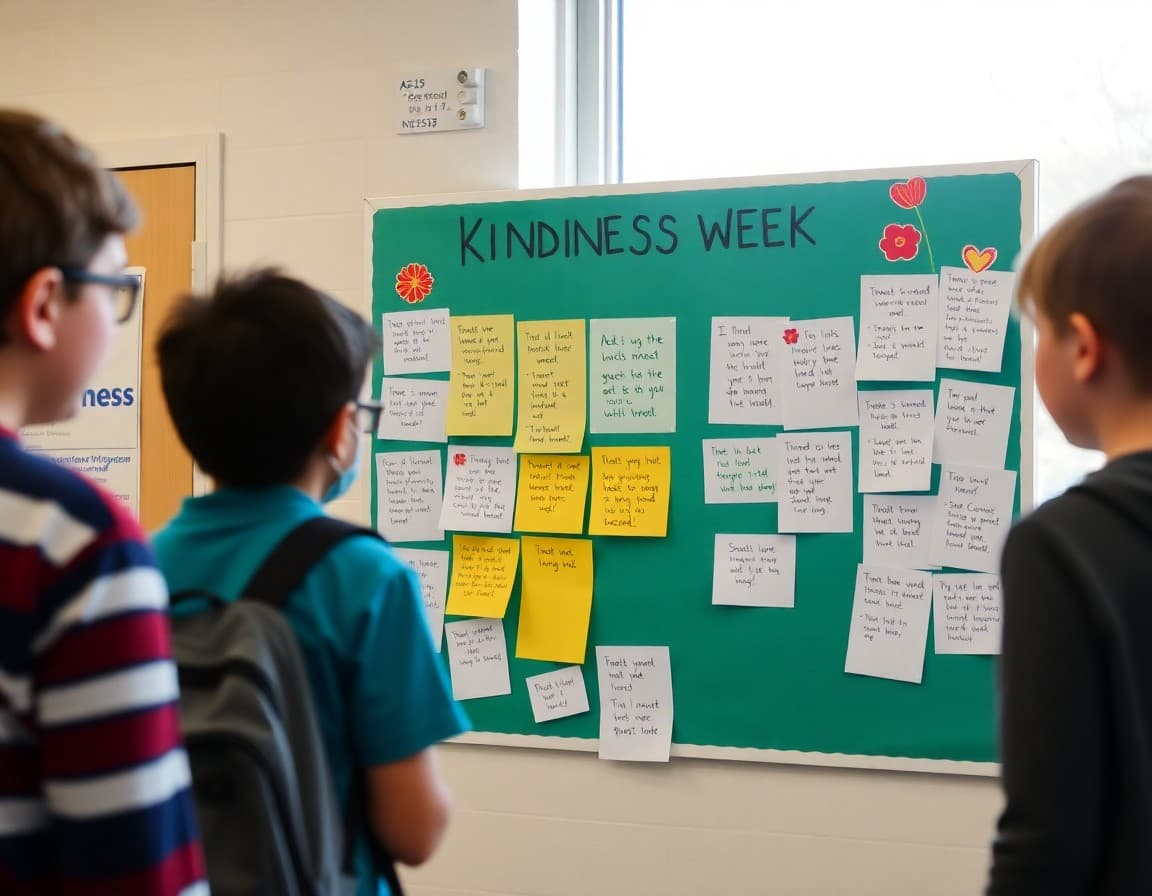
Random Acts of Kindness Week happens every February, and most schools celebrate it. The difference between schools that generate a week of good feelings and schools that generate lasting cultural change is specificity. A kindness week newsletter that gives students and families concrete acts to perform, connects the week to ongoing SEL work, and recognizes real kindness observed in the community does something more meaningful than a bulletin board full of paper hearts.
Specific Acts of Kindness for Each Grade Level
Do not just ask students to be kind -- give them specific, age-appropriate acts to perform. For kindergartners: draw a picture for a school custodian. For third graders: write a thank-you note to a teacher who helped them this year. For middle schoolers: sit with someone who is eating alone. For high schoolers: write a letter to a younger student about navigating a hard year. Specific acts remove the ambiguity from a vague call for kindness and give students a concrete way to experience the impact of their actions.
Recognize Kindness Observed by Staff
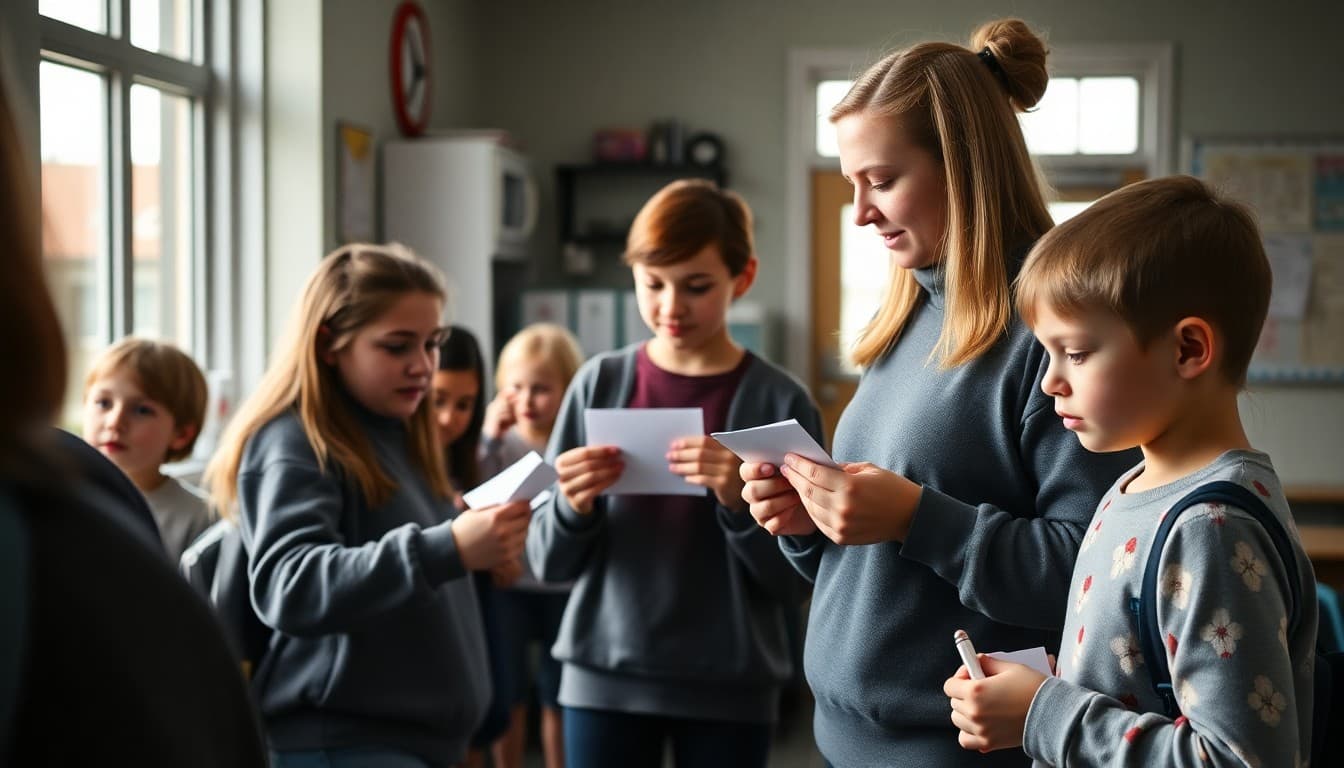
Ask teachers to submit one act of kindness they witnessed that week for publication in a mid-week or end-of-week newsletter spotlight. 'A fifth grader stayed behind after recess to help a kindergartner find their lost mitten.' 'Two students organized their class to make cards for a classmate who has been absent due to illness.' These observed moments are the heart of kindness week. Publishing them signals that adults in the building are watching and that kindness is noticed and valued.
A Family Act of Kindness Challenge
Include one family-level act of kindness in the newsletter. Something families can do together: leave a kind note for a neighbor, donate a bag of pantry staples to a food bank, call a relative who lives alone. A family challenge that extends kindness beyond the school walls connects the week's themes to the community families actually live in.
Kindness Week as SEL, Not Performance
Acknowledge explicitly in the newsletter that kindness week is more than a feel-good event. It is a structured opportunity to practice the social-emotional skills students are building all year: empathy, perspective-taking, self-regulation, and community care. Families who understand that kindness week is part of an ongoing SEL curriculum -- not a separate, isolated event -- engage with it differently and support the underlying skills more consistently at home.
Community Kindness: Extending Beyond the School
A kindness week that stays inside the school building misses the opportunity to connect students to the broader community. Organize a kindness action directed outward: cards for a local senior center, supplies for a food pantry, donations to an animal shelter. Any act that connects students to the wider community teaches that kindness is not just a peer relationship skill -- it is a civic practice.
Addressing Unkindness Directly
Kindness week newsletters sometimes avoid acknowledging that unkindness happens. But students who experience bullying or exclusion during kindness week often feel the dissonance acutely. A brief, honest acknowledgment that the school takes unkind behavior seriously year-round -- not just in February -- lends credibility to the week's message. Include the counselor's contact information and a note about how to report bullying concerns.
Making Kindness a Year-Round Norm
Close with a brief statement about what happens after kindness week ends. The school's ongoing commitment to a culture where kindness is normal and unkindness is addressed. The SEL programs in place throughout the year. The counseling resources available for students navigating difficult social situations. Kindness week is a spotlight, not the whole story. Families who understand this are more likely to support the ongoing culture-building work that makes the week's acts mean something.
Get one newsletter idea every week.
Free. For teachers. No spam.
Frequently asked questions
What should a Random Acts of Kindness Week Activities newsletter cover?
The most effective newsletters for this observance cover three things: what the school is doing to recognize or celebrate the month or week, how families can participate or reinforce the themes at home, and who at school to contact for more information or to get involved. Lead with the specific activities happening at school, not with a generic description of the observance. Families respond to what is real and local, not to national awareness month statistics.
When should the school send this newsletter?
The week before or the first week of the observance month or week. Families need enough lead time to participate in any events, volunteer for relevant activities, or have informed conversations with their children about the topics being raised at school. A newsletter that arrives after the week has already started is useful for context but misses the participation window.
How do you keep this kind of observance newsletter from feeling generic?
Connect every awareness month or week to something specific happening in your school building. A student who shared their experience. A classroom project in progress. A community organization the school is partnering with. A specific action families can take this week. Generic awareness newsletters list facts about the month. Specific newsletters tell families what their community is actually doing about it.
Should the newsletter include community resources?
Yes, briefly. Include one or two community organizations or helplines relevant to the observance if appropriate. For mental health awareness months, crisis lines. For financial literacy month, free local resources. For heritage months, community cultural organizations. This section takes one minute to add and significantly increases the newsletter's value as a community resource beyond school walls.
How does Daystage help schools send observance newsletters?
Daystage lets school staff create a clean, formatted newsletter for any observance month or week and send it to all families in a few minutes. You can include event details, resource links, and family action steps in a mobile-friendly format that arrives directly in every family's inbox. Templates can be reused and adapted each year.

Adi Ackerman
Author
Adi Ackerman is a former classroom teacher and curriculum writer with 8 years in K-8 schools. She writes about school communication, parent engagement, and what actually works in real classrooms.
More for Community Outreach
Ready to send your first newsletter?
3 newsletters free. No credit card. First one ready in under 5 minutes.
Get started free