
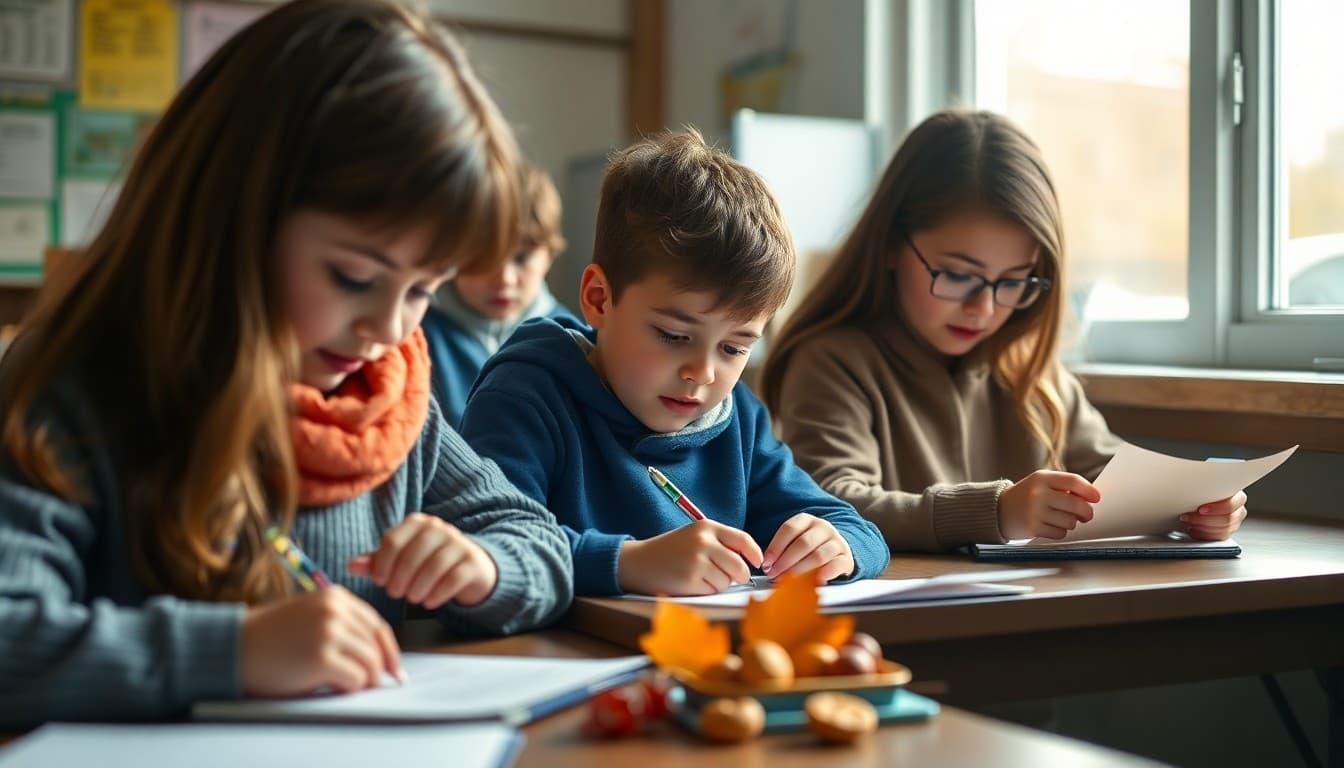
School Newsletter: Building a Culture of Gratitude in November

November is when gratitude becomes a school-wide theme, but a newsletter that reduces gratitude month to a list of things to be thankful for misses the depth of what genuine appreciation practice can do for school culture. The most impactful November newsletter connects gratitude to specific, observable actions and gives families tools to build appreciation as a daily habit.
Gratitude as a Practice, Not a Feeling
Research from positive psychology consistently shows that gratitude is more effective as an active practice than as a passive feeling. Writing specific thank-you notes produces more wellbeing than generally feeling grateful. Recognizing specific contributions rather than sending mass thank-yous creates more genuine community. A newsletter that presents gratitude as something students and families do, not just feel, turns November into the beginning of a year-round cultural practice.
What Students Are Doing This Month
Describe the specific gratitude practices happening in classrooms this November. Gratitude journals with daily prompts. A class project to write appreciation letters to school staff. A school-wide gratitude chain where each person names someone who helped them this week. Morning meetings that open with one specific thing each student is grateful for. Specific descriptions give families a way to reinforce the practices at home.
A Family Gratitude Ritual
Give families one simple gratitude ritual to practice at home during November. A nightly dinner question: one specific thing that happened today that you are grateful for. A weekly family note where each person writes one appreciation for another family member. A gratitude jar where family members deposit notes throughout the month and read them on Thanksgiving. Small, specific rituals are more likely to be adopted than grand suggestions.
Recognizing People Who Often Go Unnoticed
November is a natural time to direct student and family gratitude toward the people who keep the school running but rarely receive direct appreciation: custodians, cafeteria staff, bus drivers, crossing guards. A coordinated effort to write appreciation notes to these community members turns gratitude month into a community-building act, not just a classroom exercise.
The Science Behind Gratitude Practice
A brief, accessible summary of what research shows about gratitude practice gives families a reason to take it seriously beyond November. Regular gratitude practice is associated with improved mental health, stronger relationships, better sleep, and greater resilience. This is not anecdote -- it is replicated research. A school that frames gratitude practice with its evidence base treats families as intelligent partners in their children's development.
Community Gratitude Projects
Feature any community gratitude projects happening through the school this month. Card-writing campaigns for veterans. Letters of appreciation to first responders. A school-wide project to recognize businesses that have supported the school. Community gratitude that extends beyond the school building teaches students that appreciation is a civic practice, not just a personal one.
Making Gratitude Last Beyond November
Close with a commitment to the ongoing gratitude practices the school maintains throughout the year. The goal of gratitude month is not to feel good in November and forget about it in December. Name one or two specific practices that continue year-round: a teacher who starts every Monday with a class appreciation circle, a counselor who uses gratitude journaling as a coping tool, a PTA that sends appreciation notes to staff at every meeting. Gratitude month is a spotlight on something that should be a permanent feature of school culture.
Get one newsletter idea every week.
Free. For teachers. No spam.
Frequently asked questions
What should this newsletter cover?
Lead with what your school is specifically doing or observing this month. Connect the theme to family action at home, name who at school to contact, and include one community resource. Specific, school-rooted content gets read. Generic awareness content gets archived.
When should it go out?
The week before or the first week of the relevant observance. Families need lead time to participate in events, prepare for activities, or have conversations with their children. A newsletter that arrives after the observance has started is contextual but misses the action window.
How do you make it feel personal rather than institutional?
Name specific students, staff, or community members. Share a classroom activity in progress. Include a direct quote from a teacher, counselor, or student. Specificity is what makes a school newsletter feel like it comes from people who care, not from a template.
How does Daystage help with this newsletter?
Daystage lets school staff create a clean, formatted newsletter and send it to all families' inboxes in minutes. Templates can be reused each year for recurring observances. Families receive the newsletter directly in their email and can reply to ask questions.
Should it include community resources?
Yes, briefly. One or two relevant organizations or helplines make the newsletter useful beyond school hours. Families who find a practical resource in a school newsletter develop trust in the school as a community hub, not just an educational institution.

Adi Ackerman
Author
Adi Ackerman is a former classroom teacher and curriculum writer with 8 years in K-8 schools. She writes about school communication, parent engagement, and what actually works in real classrooms.
More for Community Outreach
Ready to send your first newsletter?
3 newsletters free. No credit card. First one ready in under 5 minutes.
Get started free