
Social Emotional Learning Parent Newsletter: What We Do and Why
Social Emotional Learning is embedded in most elementary schools through morning meetings, counseling programs, and intentional classroom practices -- but many families do not know what their children are learning or why. An SEL parent newsletter that explains the program clearly, connects it to outcomes families care about, and gives parents specific ways to reinforce skills at home transforms parent understanding of one of the school's most important programs.
What Social Emotional Learning Actually Is
SEL is the process through which students learn to understand and manage their emotions, develop empathy for others, build positive relationships, and make responsible decisions. It is not about avoiding negative feelings or always being happy. It is about developing the internal tools to navigate a full range of human experiences effectively. A brief, plain-language explanation of what SEL is and is not removes the misconceptions that lead some families to dismiss it as unnecessary.
The Research Behind SEL
Students who participate in quality SEL programs show measurable improvement in academic achievement, prosocial behaviors, and social competence, and reductions in behavioral problems and emotional distress. This is not anecdote -- it is replicated research across hundreds of schools and studies. A newsletter that shares this evidence base gives families a reason to take the school's SEL program seriously alongside the academic curriculum.
What Students Are Learning in SEL
Describe the specific SEL skills being taught at each grade level. Kindergartners learning to identify and name emotions in themselves and others. Second graders practicing conflict resolution scripts. Fourth graders developing self-regulation strategies for frustration and anxiety. Sixth graders building empathy through perspective-taking activities. Specific skills give families a way to recognize and reinforce what their children are learning.
How Families Reinforce SEL at Home
Give families three specific, practical ways to reinforce SEL skills at home. Name feelings accurately and specifically at dinner -- not just 'you seem upset' but 'it looks like you might be feeling frustrated. What happened?' Practice deep breathing or other self-regulation tools when the family is calm, so students have them ready when they are not. Model conflict resolution by narrating your own process when something frustrating happens. Specific, accessible actions are far more likely to be adopted than general encouragement to support your child's emotional development.
The Morning Meeting
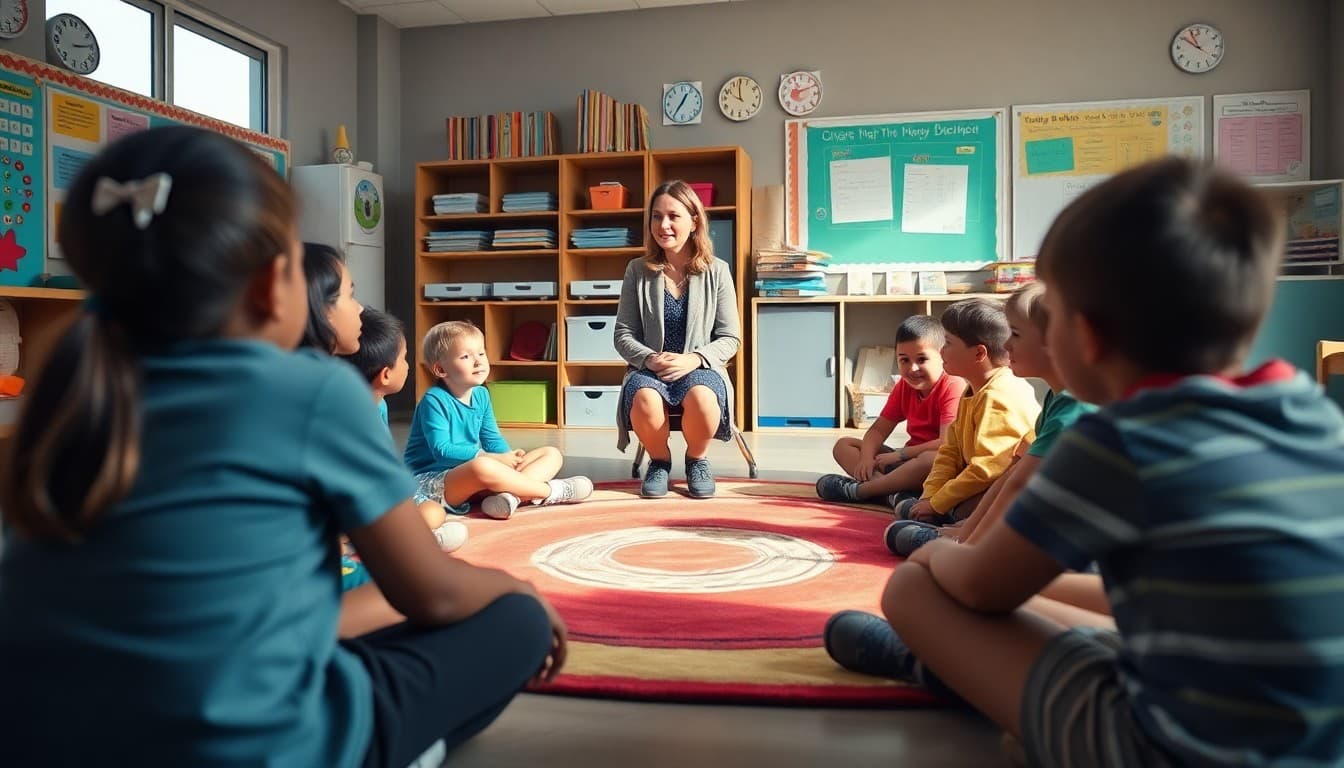
If your school uses a morning meeting as part of its SEL program, describe what it involves. A greeting, a share, a group activity, and a brief message. Morning meetings build classroom community, give students a structured way to connect with peers, and provide a predictable routine that reduces anxiety. Families who understand the morning meeting feel proud of the community their children are building, not confused about why class time is spent on something other than academics.
SEL and Academic Learning
Make the connection explicit: SEL skills are not separate from academic skills. Students who can manage frustration when learning is difficult are more persistent readers. Students who can work collaboratively are more effective in group projects. Students who have developed empathy write more complex, nuanced literary analyses. SEL is not a soft addition to the curriculum -- it is a foundational set of capacities that make the rest of the academic program more effective.
The Year-Round SEL Commitment
Close with a description of the school's year-round SEL work: the specific programs, the trained staff, the integration of SEL into every classroom practice. An SEL newsletter should be followed by ongoing communication about what students are learning each month. Families who receive consistent SEL communication throughout the year understand and support the program far better than those who receive one explanation in September and then nothing until a concerning behavioral incident occurs.
Get one newsletter idea every week.
Free. For teachers. No spam.
Frequently asked questions
What should this newsletter cover?
Lead with what your school is specifically doing or observing this month. Connect the theme to family action at home, name who at school to contact, and include one community resource. Specific, school-rooted content gets read. Generic awareness content gets archived.
When should it go out?
The week before or the first week of the relevant observance. Families need lead time to participate in events, prepare for activities, or have conversations with their children. A newsletter that arrives after the observance has started is contextual but misses the action window.
How do you make it feel personal rather than institutional?
Name specific students, staff, or community members. Share a classroom activity in progress. Include a direct quote from a teacher, counselor, or student. Specificity is what makes a school newsletter feel like it comes from people who care, not from a template.
How does Daystage help with this newsletter?
Daystage lets school staff create a clean, formatted newsletter and send it to all families' inboxes in minutes. Templates can be reused each year for recurring observances. Families receive the newsletter directly in their email and can reply to ask questions.
Should it include community resources?
Yes, briefly. One or two relevant organizations or helplines make the newsletter useful beyond school hours. Families who find a practical resource in a school newsletter develop trust in the school as a community hub, not just an educational institution.

Adi Ackerman
Author
Adi Ackerman is a former classroom teacher and curriculum writer with 8 years in K-8 schools. She writes about school communication, parent engagement, and what actually works in real classrooms.
More for Community Outreach
Ready to send your first newsletter?
3 newsletters free. No credit card. First one ready in under 5 minutes.
Get started free