
School Newsletter: October is Bullying Prevention Month
October is National Bullying Prevention Month, and it arrives at a point in the school year when social dynamics have settled enough for patterns -- positive and concerning -- to be visible. A bullying prevention newsletter that is honest about what bullying is, what the school does about it, and how families can help is one of the most important community-building communications of the year.
What Bullying Is and Is Not
One of the most useful things a bullying prevention newsletter can do is clarify the definition. Bullying involves repeated harmful behavior with a power imbalance -- not every conflict or unkind act between students qualifies. Understanding the distinction matters for how families talk to their children about social challenges and how they communicate concerns to the school. A child who reports 'I got bullied' when a classmate made one unkind comment needs a different response than a child who has been systematically excluded from a friend group for three weeks.
Unity Day: Orange for Kindness
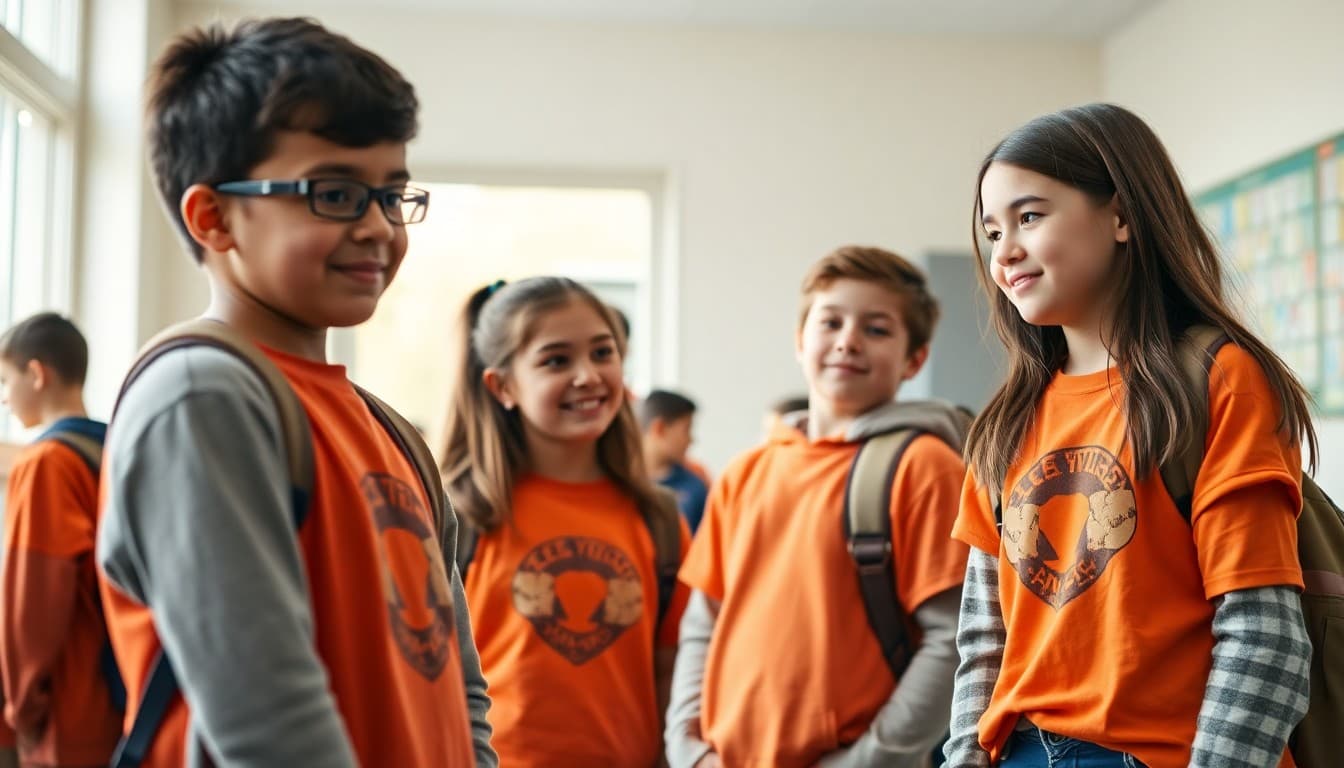
National Bullying Prevention Month's Unity Day in October invites students and families to wear orange as a signal of support for students who have experienced bullying. Announce the specific date, encourage families to send their children in orange, and explain the meaning behind the gesture. A brief school-wide activity connected to Unity Day -- a pledge, a kindness chain, a message wall -- turns a dress code moment into a community statement.
What Students Are Learning About Bullying Prevention
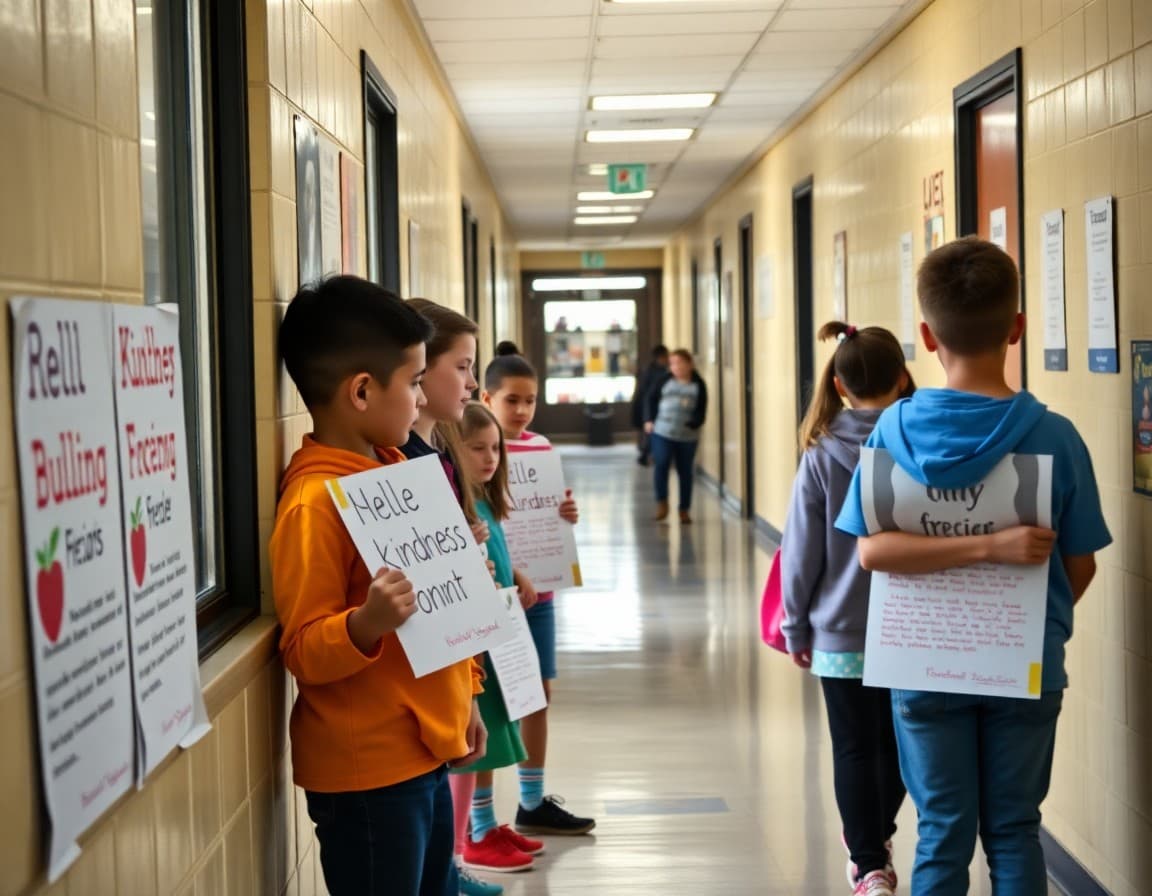
Describe the specific bullying prevention curriculum or activities happening in classrooms this month. SEL lessons on bystander intervention. Classroom discussions about the difference between conflict and bullying. Counselor-led small groups for students navigating difficult peer dynamics. Student-led kindness campaigns. Specific descriptions of classroom activity give families a way to extend the learning into home conversations.
The Bystander Role
One of the most impactful areas of bullying prevention research focuses on bystanders -- students who witness bullying and choose how to respond. A newsletter section that explains the bystander role to families gives them a way to have specific conversations at home. 'If your child tells you they saw something happen at school, talk to them about what they could do: tell an adult, sit with the person who was targeted, say something directly to the group if it is safe to do so.'
How to Report a Bullying Concern
Give families a clear, specific path to reporting a bullying concern: who to contact, how to reach them, what information to gather before reporting. Include the school counselor and the principal as parallel options so families have two paths. Note that reports can be made anonymously if the family or student is concerned about retaliation. A clear reporting path removes the barrier that keeps many families from reporting concerns they are uncertain how to handle.
What the School Does When Bullying Is Reported
Describe the school's response process: how reports are investigated, who is involved, what the privacy protections are, and what outcomes families can expect. Families who understand the process before they need to use it have more confidence in the system. Families who report a concern and have no idea what will happen next feel that the school is not handling it seriously, even when it is.
Supporting Students Who Have Been Targeted
Give families specific guidance on how to support a child who has been bullied: take the report seriously without overreacting, contact the school, help the child practice assertive responses, and monitor emotional wellbeing over time. Include the counselor's contact information for families whose children need additional support. The newsletter that helps families respond well to their children's experiences of bullying is more useful than one that only addresses prevention.
Get one newsletter idea every week.
Free. For teachers. No spam.
Frequently asked questions
What should this newsletter cover?
Lead with what your school is specifically doing this month or week. Connect it to family action at home, community resources, and a direct contact for more information. Specificity is what makes a newsletter useful rather than forgettable.
When should the school send it?
The week before or the first week of the observance. Families need lead time to participate in events or prepare for activities. A newsletter that arrives after the observance started is contextual but misses the participation window.
How do you keep this newsletter from feeling generic?
Connect the theme to something specific happening in your school building this week. A classroom activity in progress. A community partner the school is working with. A specific student or staff member doing something worth recognizing. Specificity drives readership and sharing.
Should it include community resources?
Yes, briefly. One or two relevant organizations, helplines, or local resources. Families who find a useful resource in a school newsletter trust the school as a community hub, not just an educational institution.
How does Daystage support this newsletter?
Daystage lets school staff create and send a formatted newsletter directly to every family's inbox. You write the content, Daystage handles formatting and delivery. Templates can be reused and adapted each year for recurring observances.

Adi Ackerman
Author
Adi Ackerman is a former classroom teacher and curriculum writer with 8 years in K-8 schools. She writes about school communication, parent engagement, and what actually works in real classrooms.
More for Community Outreach
Ready to send your first newsletter?
3 newsletters free. No credit card. First one ready in under 5 minutes.
Get started free