
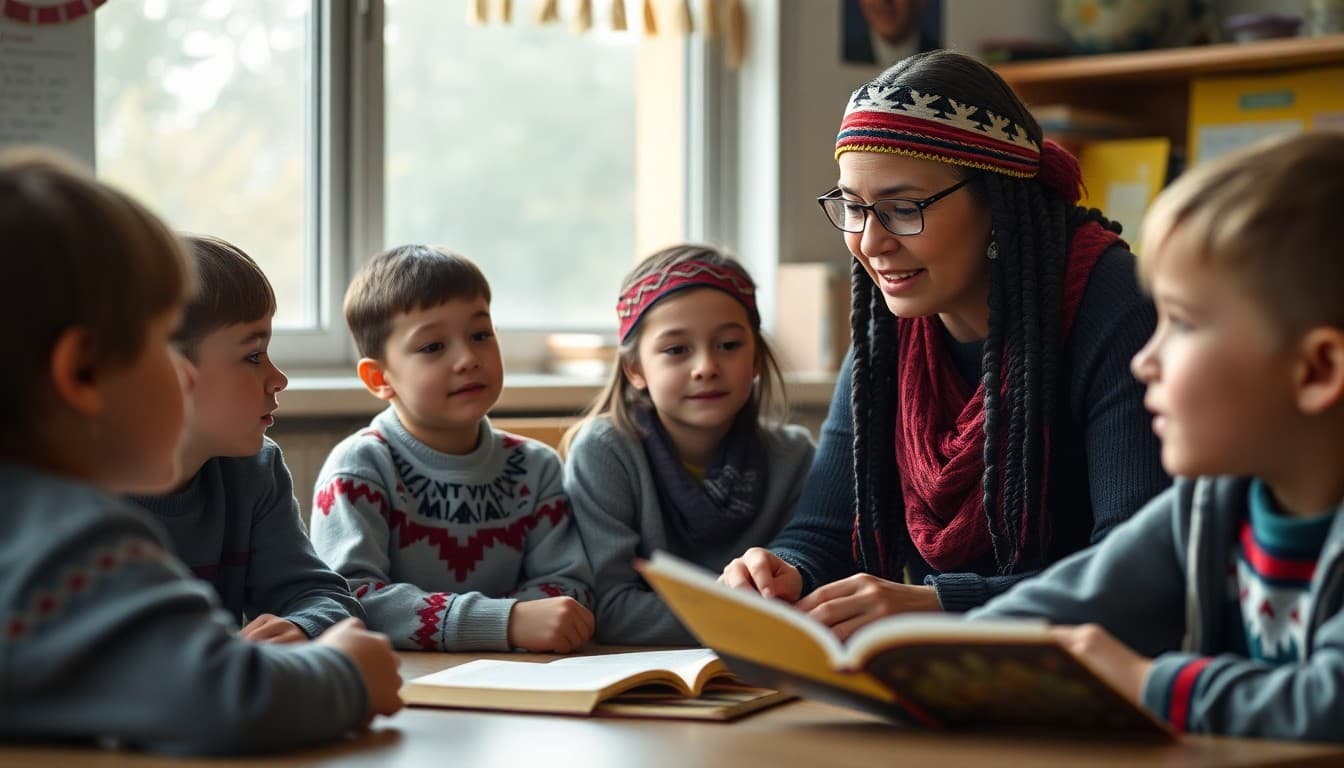
School Newsletter: Native American Heritage Month Activities
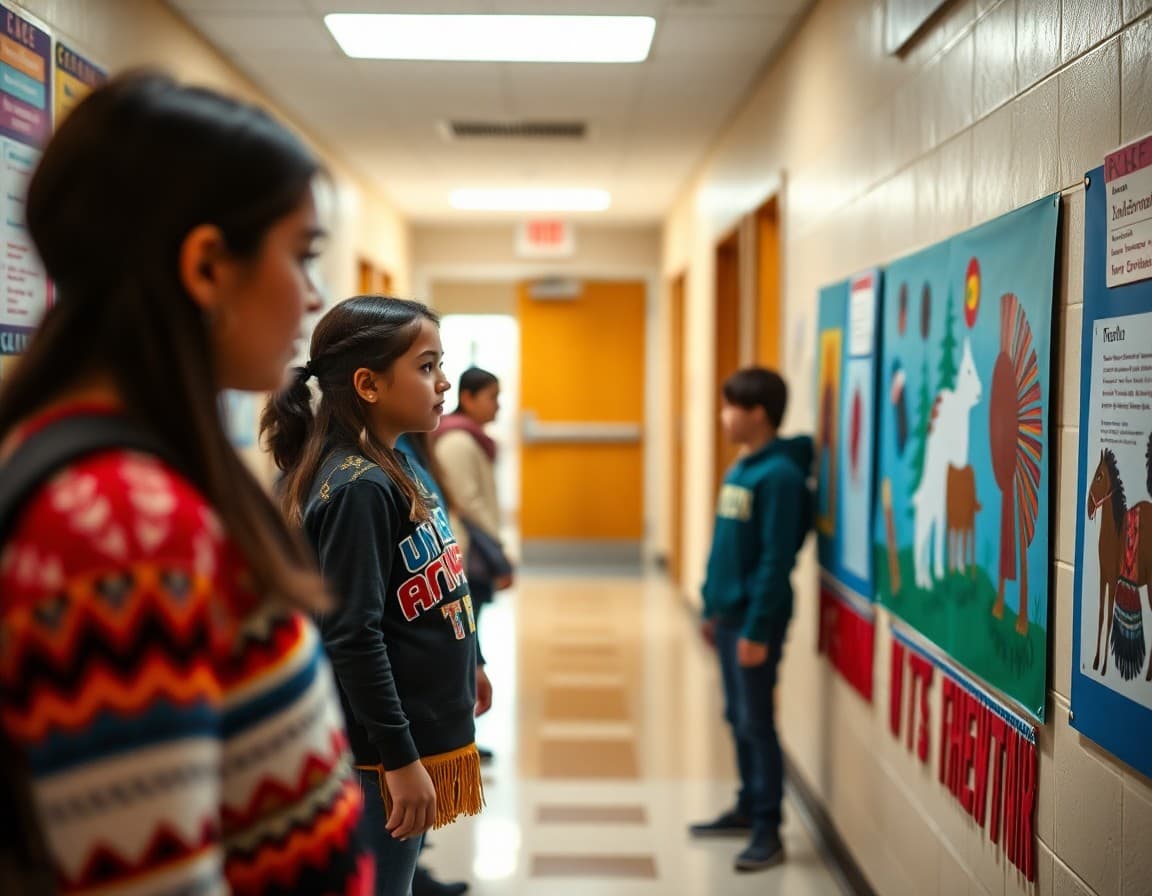
November is Native American Heritage Month, and it provides a month-long frame for honoring the hundreds of distinct nations, languages, and cultures that make up indigenous America. A newsletter that approaches this month with specificity -- naming specific nations, specific histories, and specific contemporary realities -- honors the complexity of a community that is often reduced to a single generic narrative.
The Diversity of Native American Nations
There are over 570 federally recognized tribes in the United States, plus many additional state-recognized and non-recognized indigenous communities. Native American Heritage Month is not about a single culture -- it encompasses Lakota, Navajo, Cherokee, Haudenosaunee, Tlingit, Hawaiian, and hundreds more distinct nations with different languages, governance systems, traditions, and histories. A newsletter that establishes this diversity from the first sentence sets the right frame for a month of genuine learning.
What Students Are Learning in November
Describe the specific Native American Heritage Month curriculum at each grade level. A social studies unit on a specific indigenous nation's pre-contact civilization and its legacy. A literature class reading works by Native American authors. A music class exploring indigenous musical traditions from different regions. A unit on the Indian Removal Act and its lasting consequences. Specific content gives families real conversation starters and builds the trust that the school's observance is genuine, not performative.
Avoiding Common Stereotypes
Native American Heritage Month is undermined when schools rely on stereotyped imagery, costume-based activities, or the single historical narrative that reduces indigenous people to pre-contact nomads or tragic historical victims. A brief note in the newsletter about the specific approaches the school uses -- and what it avoids -- signals to indigenous families and allies that the observance is grounded in genuine respect.
Contemporary Native American Communities
Feature the contemporary contributions and present-day realities of Native American communities. Indigenous environmental activists. Native American elected officials. Indigenous artists, writers, and filmmakers. The ongoing legal battles over tribal sovereignty. Contemporary Native communities are not remnants of the past -- they are living, evolving cultures with a present and a future as well as a history worth honoring.
Books and Media by Native Authors
Curate a list of books and media created by Native American authors and filmmakers, organized by grade range. Include both historical and contemporary subjects. Feature works that portray indigenous characters as complex people, not symbols. Note which resources are available at the school or public library. A thoughtfully curated reading list is one of the most meaningful contributions any newsletter can make to a heritage month observance.
Community Connections
If your community includes Native American families, cultural centers, or tribal organizations, note the connection in the newsletter. Invite families to share recommendations or contributions for the newsletter. An observance that is connected to real community relationships is far more meaningful than one that exists entirely within the school building.
Sustaining the Learning Beyond November
Close by naming the ways the school will carry Native American history and culture beyond the month of November: curriculum that includes indigenous voices year-round, land acknowledgment practices, and ongoing community relationships with indigenous organizations. Families who see a year-round commitment understand that November is an intensified focus, not an annual obligation.
Get one newsletter idea every week.
Free. For teachers. No spam.
Frequently asked questions
What should this newsletter cover?
Lead with what your school is specifically doing this month or week. Connect it to family action at home, community resources, and a direct contact for more information. Specificity is what makes a newsletter useful rather than forgettable.
When should the school send it?
The week before or the first week of the observance. Families need lead time to participate in events or prepare for activities. A newsletter that arrives after the observance started is contextual but misses the participation window.
How do you keep this newsletter from feeling generic?
Connect the theme to something specific happening in your school building this week. A classroom activity in progress. A community partner the school is working with. A specific student or staff member doing something worth recognizing. Specificity drives readership and sharing.
Should it include community resources?
Yes, briefly. One or two relevant organizations, helplines, or local resources. Families who find a useful resource in a school newsletter trust the school as a community hub, not just an educational institution.
How does Daystage support this newsletter?
Daystage lets school staff create and send a formatted newsletter directly to every family's inbox. You write the content, Daystage handles formatting and delivery. Templates can be reused and adapted each year for recurring observances.

Adi Ackerman
Author
Adi Ackerman is a former classroom teacher and curriculum writer with 8 years in K-8 schools. She writes about school communication, parent engagement, and what actually works in real classrooms.
More for Community Outreach
Ready to send your first newsletter?
3 newsletters free. No credit card. First one ready in under 5 minutes.
Get started free