

School Newsletter: Honoring Indigenous Peoples Day in Our Community
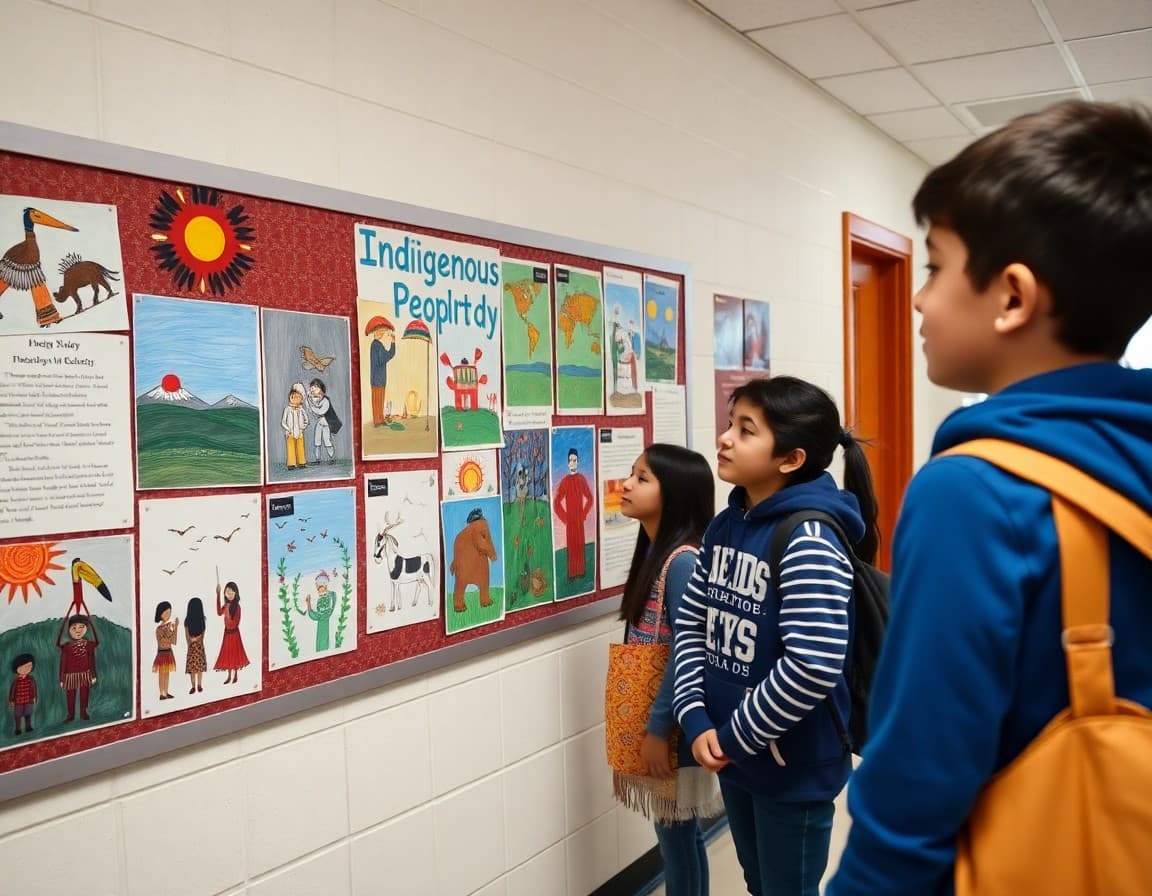
Indigenous Peoples Day, observed the second Monday of October, is an opportunity for schools to honor the history, cultures, and ongoing presence of Native American and Indigenous communities in the United States. A newsletter that approaches this day with historical accuracy and genuine respect -- rather than as a replacement of a different holiday -- gives students and families a meaningful, honest context.
Why Indigenous Peoples Day
Give families a brief, honest explanation of why many schools and communities observe Indigenous Peoples Day and the context around this choice. The holiday is not about negating Columbus's voyages from the historical record -- it is about ensuring that the history and humanity of the Indigenous peoples who had lived here for thousands of years before European contact are honored alongside that history.
The Full Scope of Indigenous History
Indigenous Peoples Day is most meaningful when it connects to a curriculum that covers Indigenous history across the full arc -- from pre-contact civilizations to forced removal to boarding schools to sovereignty movements to contemporary Native communities. A newsletter that points families to the specific historical content students are learning gives the day its educational grounding.
Indigenous Voices in the Curriculum
Feature books, films, and resources created by Indigenous authors, filmmakers, and educators. Works by Native American writers. Documentaries produced by Indigenous communities about their own history and culture. Organizations led by Indigenous people that create educational resources. Centering indigenous voices rather than describing Indigenous communities from the outside is the single most important thing a school can do to honor the day authentically.
Contemporary Native Communities
Indigenous Peoples Day should not present Native Americans only in the past tense. Contemporary Native communities are thriving, complex, and present in every part of the United States. A newsletter section that acknowledges the living cultures, political sovereignty, and contemporary contributions of Native American communities gives students a more accurate and respectful picture than one that treats indigenous identity as historical.
Tribal Acknowledgment
If appropriate for your school's context, include a brief land acknowledgment that names the indigenous peoples on whose lands your school sits. Land acknowledgments are most meaningful when they are accompanied by genuine curriculum content and community relationship, not offered as a standalone gesture. A note in the newsletter about how to find the tribal territory information for your specific location gives interested families a place to start.
Student Learning This Week
Describe the specific Indigenous Peoples Day activities happening in classrooms: a reading of a picture book by a Native American author, a social studies unit on a specific indigenous nation's history, an art activity drawing on indigenous design traditions with appropriate context. Specific curriculum descriptions give families a way to continue the conversation at home.
Resources for Deeper Learning
Include a curated list of recommended resources for families who want to learn more: books by indigenous authors across grade levels, organizations like the National Museum of the American Indian, podcasts by Native American historians and journalists, and teaching resources from indigenous-led education organizations. Families who receive specific, curated resources engage more deeply than those who receive a generic suggestion to 'learn more about indigenous history.'
Get one newsletter idea every week.
Free. For teachers. No spam.
Frequently asked questions
What should this newsletter cover?
Lead with what your school is specifically doing this month or week. Connect it to family action at home, community resources, and a direct contact for more information. Specificity is what makes a newsletter useful rather than forgettable.
When should the school send it?
The week before or the first week of the observance. Families need lead time to participate in events or prepare for activities. A newsletter that arrives after the observance started is contextual but misses the participation window.
How do you keep this newsletter from feeling generic?
Connect the theme to something specific happening in your school building this week. A classroom activity in progress. A community partner the school is working with. A specific student or staff member doing something worth recognizing. Specificity drives readership and sharing.
Should it include community resources?
Yes, briefly. One or two relevant organizations, helplines, or local resources. Families who find a useful resource in a school newsletter trust the school as a community hub, not just an educational institution.
How does Daystage support this newsletter?
Daystage lets school staff create and send a formatted newsletter directly to every family's inbox. You write the content, Daystage handles formatting and delivery. Templates can be reused and adapted each year for recurring observances.

Adi Ackerman
Author
Adi Ackerman is a former classroom teacher and curriculum writer with 8 years in K-8 schools. She writes about school communication, parent engagement, and what actually works in real classrooms.
More for Community Outreach
Ready to send your first newsletter?
3 newsletters free. No credit card. First one ready in under 5 minutes.
Get started free